Top Benefits of Using Spunbond Spinning Machines for Businesses?

Time:2026-07-31 Author:Isabella
0%

The use of Spunbond Spinning Machines is becoming essential for many businesses. John Smith, an industry expert with over 15 years in textile manufacturing, states, "Investing in a Spunbond Spinning Machine can revolutionize production efficiency." This insight highlights the potential of these machines in driving growth.

Spunbond technology offers a unique advantage in the textile sector. Businesses can improve their output while maintaining high-quality standards. The machines create durable and lightweight materials, ideal for various applications, from filter fabrics to geotextiles. However, initial costs and maintenance require consideration.

In a competitive market, companies must weigh these factors carefully. Choosing the right Spunbond Spinning Machine can lead to sustainable growth. This decision impacts not only profits but also product quality and market reputation. The investment could be significant, yet the long-term benefits may outweigh the risks.
Top Benefits of Using Spunbond Spinning Machines for Businesses?

Advantages of Enhanced Production Efficiency with Spunbond Machines

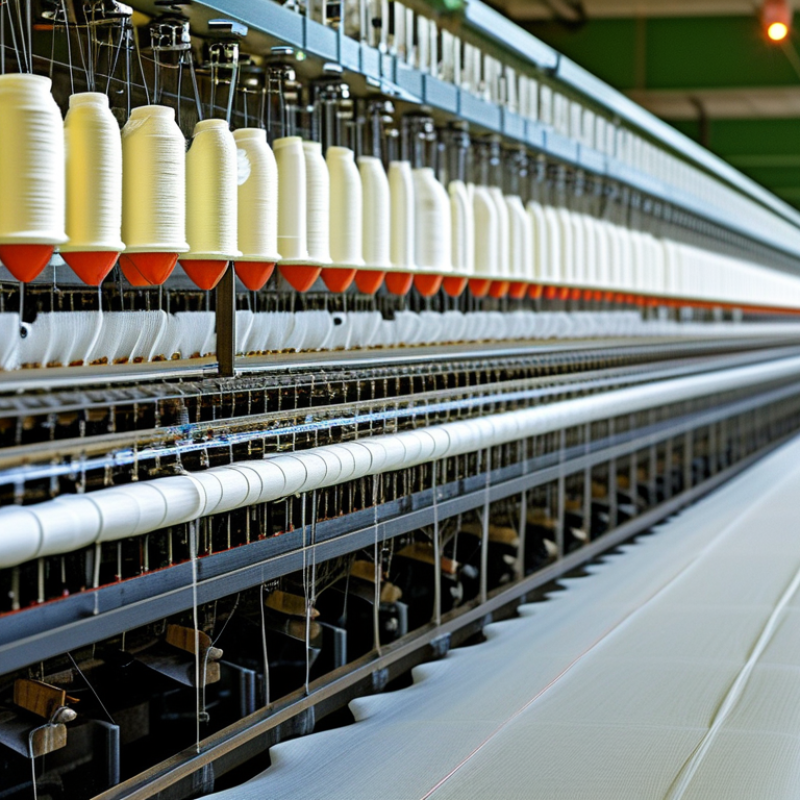
Spunbond machines are revolutionizing production efficiency in various industries. These machines utilize a continuous process to produce high-quality non-woven fabrics. This method allows for rapid production, minimizing downtime significantly. Businesses can meet increased demands without sacrificing quality.

One notable advantage of these machines is their ability to handle different raw materials. They can work with various polymers, providing flexibility to production lines. This adaptability allows companies to innovate more readily. However, not all businesses may be equipped with the technical know-how to optimize these processes. Proper training and support are essential for maximizing benefits.

Moreover, energy consumption must be monitored. While spunbond machines are efficient, they can lead to higher energy costs if not managed carefully. This factor requires careful planning to ensure long-term sustainability. Businesses should weigh these considerations against potential gains. Balancing efficiency with operational costs is crucial for success.

Cost-Effectiveness: Reducing Material Waste and Labor Costs

Spunbond spinning machines are revolutionizing the manufacturing landscape. They significantly reduce material waste, contributing to lower operational costs. This cost-effectiveness is crucial for businesses wishing to maintain a competitive edge. By optimizing material usage, companies can allocate more resources to other important areas.

One could see reduced labor costs too. These machines automate several processes. Fewer workers are needed for manual operations. However, businesses must ensure proper training for staff who handle these machines. It's essential to overcome the learning curve and achieve maximum efficiency.

Tips: Always assess the initial setup costs. This will help determine long-term savings. Monitor production metrics closely to identify potential inefficiencies. Regular maintenance of machinery is vital. Proper upkeep can prevent unexpected breakdowns, which can be costly. Planning ahead ensures sustainability in production lines.

Versatility in Applications: Meeting Diverse Industry Needs

Spunbond spinning machines are increasingly popular across various industries due to their versatility. This technology allows businesses to create a wide range of nonwoven fabrics. These fabrics are used in medical supplies, filtration systems, and even in agriculture. The ability to adapt to different materials makes spunbond machines a valuable asset.

Businesses can benefit from using spunbond technology in numerous applications. For example, in the medical field, they produce surgical gowns and masks. In agriculture, these fabrics can create protective covers for plants. The range of uses highlights the flexibility that spunbond machines bring to the table.

**Tips:** When choosing spunbond machines, consider energy efficiency and production speed. Evaluate your specific application needs. Investing in the right machines can enhance your product quality and reduce waste. Keep in mind that not all spunbond machines are the same; some may require extensive maintenance.

The diversity of the applications also leads to potential challenges. For instance, some users may struggle with transitioning between materials. This can lead to disruptions in the manufacturing process. Businesses should be prepared to adapt their strategies accordingly. An open-minded approach to troubleshooting ensures smoother operations.

Quality Improvements: Superior Fabric Properties of Spunbond Materials

Spunbond materials have gained traction for their quality improvements, particularly in fabric properties. Reports indicate that spunbond fabrics exhibit excellent tensile strength, puncture resistance, and durability. According to industry data, these characteristics contribute to a 30% increase in product lifespan compared to traditional fibers. Enhanced moisture-wicking properties also make spunbond suitable for various applications, from hygiene products to geotextiles.

The consistency in fiber production from spunbond spinning machines ensures uniformity in fabric. This uniformity leads to fewer defects, potentially reducing waste by about 15%. Businesses often notice lower costs related to returns and reprocessing. However, the initial investment in spunbond technology can be steep. Companies should conduct a cost-benefit analysis, weighing long-term savings against setup expenses.

**Tip:** Regular maintenance of spinning machines improves efficiency. Cleanliness in the production environment can also enhance fabric quality. Understanding the relationship between machine settings and output can lead to better control over the fabric properties. Spunbond technology offers significant benefits, yet it's crucial to address operational challenges for continuous improvement.

Environmental Benefits: Eco-Friendly Production Practices

Spunbond spinning machines are revolutionizing the manufacturing sector by promoting eco-friendly production practices. The process utilizes synthetic fibers, reducing waste and energy consumption. A report from the International Fiber Journal indicates that spunbond technology can decrease energy usage by up to 40% compared to traditional methods. This significant reduction demonstrates a commitment to sustainable practices.

Moreover, the recyclability of spunbond nonwoven materials contributes to environmental benefits. According to a study by Smithers Pira, around 60% of nonwoven products made with spunbond technology can be recycled efficiently. This means less material ending up in landfills, promoting a circular economy. However, the challenge lies in the limited infrastructure for recycling in certain regions, which can hinder progress.

Incorporating waterless production techniques further enhances the sustainability of spunbond processes. Reports show that these methods can slash water usage by up to 90%. While the benefits are clear, adoption varies greatly across different industries and countries. Businesses must navigate these challenges carefully to avoid being left behind in this green revolution.

FAQS

: What are spunbond machines?

: Spunbond machines produce high-quality non-woven fabrics using a continuous process. They enhance production efficiency in various industries.

How do spunbond machines benefit production?

They minimize downtime and enable rapid production, helping businesses meet high demands without sacrificing quality.

Can spunbond machines work with different materials?

Yes, they can handle various polymers, providing flexibility to production lines for better innovation.

What is a challenge with using spunbond machines?

Some businesses lack the technical knowledge needed to optimize the machines. Proper training is crucial for success.

How does energy consumption affect spunbond machines?

Although efficient, improper management of energy consumption can lead to increased costs. Planning is essential for sustainability.

What cost benefits do spunbond machines offer?

They reduce material waste and lower labor costs by automating processes, helping maintain competitiveness.

Why is regular maintenance important for spunbond machines?

Proper upkeep prevents unexpected breakdowns and costly delays. Monitoring production metrics can identify inefficiencies.

What environmental benefits do spunbond machines provide?

They reduce waste and energy usage, promoting eco-friendly production practices and contributing to sustainability.

How recyclable are spunbond materials?

Approximately 60% of spunbond nonwoven products can be recycled efficiently, helping reduce landfill waste.

What is a challenge in recycling spunbond products?

Limited recycling infrastructure in some regions hinders progress towards a circular economy.

Conclusion

The use of Spunbond Spinning Machines offers numerous advantages for businesses looking to enhance their production capabilities. Firstly, these machines significantly improve production efficiency, enabling manufacturers to meet high demand with minimal downtime. Additionally, cost-effectiveness is a key benefit, as Spunbond Machines help reduce material waste and lower labor costs, leading to increased profitability.

Moreover, their versatility allows businesses to cater to various industry needs, producing a wide range of products. The superior fabric properties of spunbond materials contribute to quality improvements, ensuring that end products meet stringent standards. Finally, these machines promote eco-friendly production practices, aligning with the growing demand for sustainable manufacturing solutions. Overall, the benefits of using Spunbond Spinning Machines make them an invaluable asset for forward-thinking businesses.

Isabella

Isabella

Isabella is a dedicated marketing professional with a sharp focus on driving brand growth and engagement through strategic content creation. With an extensive background in digital marketing, she combines her passion for storytelling with her keen understanding of industry trends to deliver......