In the evolving landscape of nonwoven fabric technology, the role of the "Ss Nonwoven Fabric Machine" is becoming increasingly pivotal. Industry expert Dr. Emily Chen, a leading figure in textile manufacturing, once remarked, "The future of nonwoven fabrics lies in the precision and efficiency of our machines." This statement reflects the growing demand for innovative solutions that enhance production quality and sustainability.
As we approach 2026, global buyers are in search of the best Ss Nonwoven Fabric Machines to meet their diverse needs. The competition is fierce, and potential buyers must navigate a myriad of options. Each machine promises improved performance, yet the decision-making process often can be overwhelming. The latest advancements mean that machine specifications play a critical role, but they must also align with company goals.
Choosing the right Ss Nonwoven Fabric Machine isn't merely about features. It is about making informed choices that can optimize production and reduce costs. Each machine has its strengths and weaknesses, presenting a complex tapestry of options that require careful evaluation. Reflecting on the reliance on technology, it becomes clear that past experiences can guide future decisions, shaping a more efficient industry.
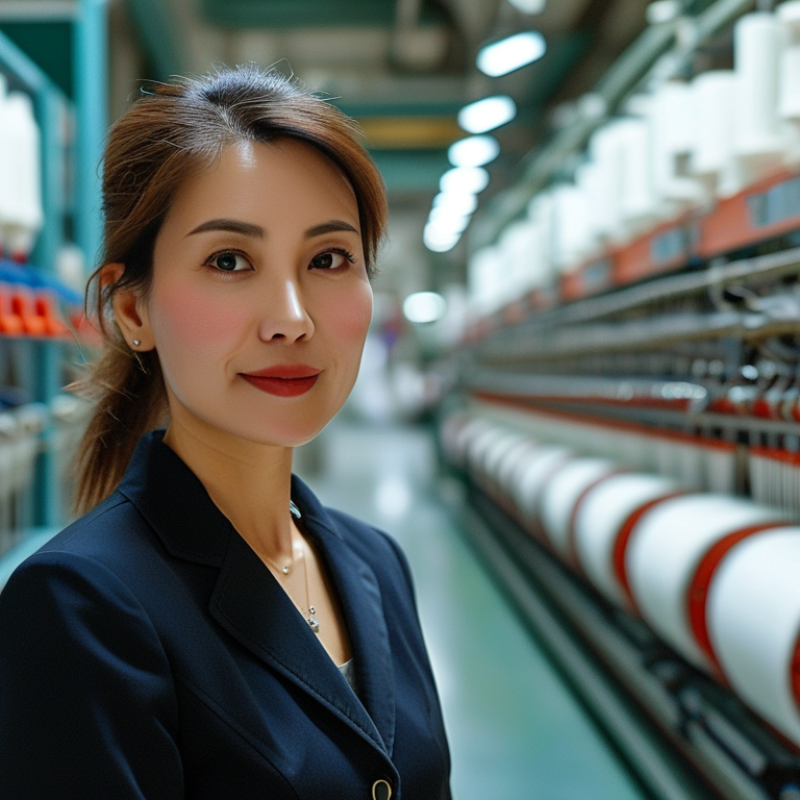
The nonwoven fabric machine landscape in 2026 is diverse and dynamic. Key advancements enhance production efficiency and material quality. Buyers are increasingly drawn to machines that integrate automation and smart technologies. These innovations streamline operations and reduce labor costs.
In recent years, sustainability has become essential. Many manufacturers are focusing on eco-friendly materials. Nonwoven fabrics made from recycled sources are gaining traction. However, challenges remain. Transitioning to sustainable practices often requires significant investment. Buyers need to weigh cost against environmental impact.
Understanding machine specifications is crucial. Speed, output capacity, and maintenance requirements are vital metrics. Buyers often find it hard to compare different models effectively. The variety can be overwhelming. Each machine serves different purposes, such as hygiene products or industrial uses. Making informed decisions demands careful analysis and sometimes trial runs.
| Machine Type | Production Capacity (kg/h) | Energy Consumption (kW) | Material Type | Automation Level |
|---|---|---|---|---|
| Spunbond Machine | 200 | 150 | Polypropylene | Full Automation |
| Hydroentangled Machine | 150 | 120 | Viscose / Polyester | Semi-Automatic |
| Needlepunch Machine | 100 | 100 | Polyester / Wool | Fully Manual |
| Meltblown Machine | 80 | 90 | Polypropylene | Full Automation |
| Airlaid Machine | 120 | 110 | Cellulose | Semi-Automatic |
: Focus on efficiency, high production speeds, and quality. Machines should handle different fiber types and adjust for thickness.
User-friendly designs save time and reduce downtime. Maintenance keeps production running smoothly, which is crucial.
Advanced control systems enhance precision. Look for automation that integrates easily with existing infrastructure, avoiding expensive upgrades.
Technical support is vital for resolving issues. Staff training on machine operation should not be overlooked and fosters continuous improvement.
Manufacturers are shifting towards eco-friendly materials due to consumer demand for sustainable options. This is driven by increased environmental awareness.
Some machines need frequent adjustments which can be costly. Research and expert opinions are essential to make informed decisions.
Innovations are boosting efficiency and creating demand for smart technologies. However, adapting can be challenging for many companies.
There is growing interest in fabrics that serve various applications, such as hygiene products and automotive interiors, increasing market versatility.
Domestic producers face pressure from international suppliers, creating a complex landscape for buyers to navigate while maintaining quality.
The industry is evolving, making it crucial for success. Being aware of market dynamics can aid in better decision-making and sourcing reliable suppliers.
The article "2026 Best SS Nonwoven Fabric Machine for Global Buyers" provides a comprehensive overview of the advancements and key considerations for selecting SS nonwoven fabric machines in 2026. It highlights essential features that buyers should look for, including efficiency, customization options, and sustainability features. The article also examines the leading global manufacturers known for producing high-quality SS nonwoven fabric machines, allowing buyers to compare different options.
Furthermore, the article delves into the economic aspects, comparing the cost and efficiency involved in nonwoven fabric production, which is critical for businesses aiming to optimize their operations. It also addresses the emerging trends that are shaping the nonwoven fabric industry in 2026, such as advancements in technology and shifts in consumer preferences. Overall, this summary serves as a valuable guide for global buyers seeking the best SS nonwoven fabric machines tailored to their needs.

 HG NONWOVEN