For global buyers, sourcing a dependable Nonwoven Pental Pad supplier in 2026 requires more than comparing online prices. Hospitals, clinics, distributors, and private-label brands need pads that feel soft, absorb evenly, and remain stable during storage. Small details matter. A rough edge, loose fiber, or unclear packing date can create avoidable quality concerns. This guide introduces leading suppliers through practical criteria, including manufacturing experience, material traceability, production capacity, and export support. It also considers whether a supplier can provide samples, technical documents, and consistent communication across time zones.
A professional evaluation should examine absorbency data, basis weight, size tolerance, packaging hygiene, and inspection procedures. Buyers should request current certificates and verify that claims match the intended application and destination-market requirements. Factory audits, batch records, and independent testing can add useful confidence, especially for long-term contracts. Yet paperwork is not everything. A sample may perform well while later batches vary. For this reason, supplier reviews should connect documented systems with real production evidence, such as factory photographs, sample comparisons, and shipment references.
The suppliers discussed here are not ranked by price alone. Delivery reliability, customization ability, minimum order quantities, responsiveness, and after-sales handling also shape the final decision. No list can predict every buyer’s result. That is worth admitting. Material preferences, climate, regulatory expectations, and budget differ widely. Use this overview as a starting point, then test products under actual packing, handling, and use conditions. Careful questions now may prevent expensive surprises later.
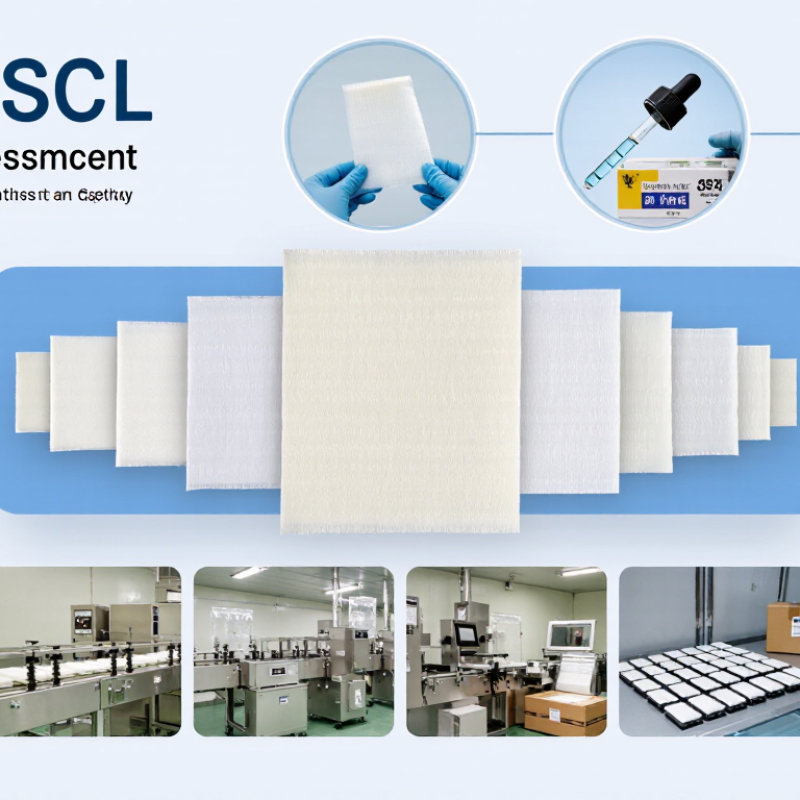
Nonwoven pental pads are disposable absorbent pads made from layered synthetic or cellulose-based materials. In many supplier catalogs, “pental” refers to a five-layer structure, although construction can vary by manufacturer. A typical pad may include a soft nonwoven surface, an absorbent middle layer, and a moisture-resistant backing. The surface feels gentle against skin. The backing helps protect sheets, trays, or clothing from leaks.
These pads are commonly used in clinics, dental rooms, nursing care, beauty treatment areas, and personal hygiene settings. Staff may place one beneath a patient during cleaning, minor procedures, or fluid handling. Some versions support wound-care preparation, but they should not replace a clinically specified dressing. Sizes range from compact squares to larger bed-protection formats. Thickness, absorbency, edge sealing, and lint release affect practical performance.
From hands-on purchasing experience, the sample test matters more than a product photo. Pour a measured amount of water onto the center, then check surface dryness, leakage, and underside staining. Also inspect wet strength after lifting the pad. Ask suppliers for material composition, tolerance ranges, packaging details, and applicable quality records. Claims about sterility or medical suitability require verification. One detail is easy to overlook: overly soft pads may tear when saturated. Cost should be reviewed with performance, not alone.
| Data Dimension | Typical Technical Data or Options | How the Pad Is Used | What Global Buyers Should Verify |
|---|---|---|---|
| Product definition | A pre-cut or folded absorbent pad made from nonwoven fibers. The term may refer to different constructions in different markets. | Used for wiping, absorbing liquids, cushioning, fluid management, or protecting a surface. | Request a product drawing, material specification, sample, and a clear application description. |
| Common fiber materials | Polypropylene, polyester, viscose or rayon, polyethylene, cellulose, cotton, and blended fibers. | Material selection affects absorbency, softness, strength, lint level, chemical resistance, and cost. | Check fiber composition, recycled content, skin-contact suitability, and restrictions on additives or dyes. |
| Web-forming method | Spunbond, meltblown, spunlace, needle-punched, airlaid, wetlaid, or multilayer composite. | Spunlace and airlaid structures are commonly selected for softness and absorbency; spunbond and needle-punched structures provide higher strength or bulk. | Confirm the manufacturing process, layer structure, basis weight, and whether bonding agents are used. |
| Basis weight | Common commercial ranges may be approximately 20–200 g/m², depending on the product design and application. | Lower weights support lightweight wiping; higher weights generally increase bulk, handling strength, and liquid-holding capacity. | Specify nominal basis weight and allowable tolerance, preferably supported by a test report. |
| Pad dimensions | Typical cut sizes include approximately 5 × 5 cm, 7.5 × 7.5 cm, 10 × 10 cm, and larger custom formats. | Small pads are suitable for localized wiping or preparation; larger formats are used for spill control, cleaning, or surface coverage. | Confirm finished length, width, folded size, cutting tolerance, and edge condition. |
| Number of plies | Single-layer, folded multi-ply, laminated, or layered absorbent-core constructions. | Additional plies can improve thickness, absorbency, and hand protection, but may increase material usage and packaging volume. | Check ply count, unfolded dimensions, delamination resistance, and fold consistency. |
| Absorbency | Reported using liquid absorption capacity, retention capacity, rate of absorption, or strike-through time. | Important for wound-contact products, cleaning pads, fluid collection, and spill-management applications. | Specify the test liquid, test method, sample size, conditioning, and minimum performance requirement. |
| Wet and dry strength | Measured in machine direction and cross direction; performance depends on fiber type, bonding, basis weight, and structure. | High wet strength helps prevent tearing during saturated wiping, handling, or removal from packaging. | Ask for tensile strength, elongation, wet-strength retention, and test-method details. |
| Surface characteristics | Smooth, embossed, perforated, textured, quilted, hydrophilic, hydrophobic, or low-lint surfaces. | Texture can improve wiping efficiency; hydrophilic treatment promotes liquid uptake, while hydrophobic treatment helps repel water-based liquids. | Verify surface treatment, contact angle or wetting behavior, lint level, and residue after use. |
| Cleanliness and lint | Cleanroom-compatible, low-lint, general-purpose, or standard industrial grades. | Low-lint pads are preferred for electronics, optics, laboratories, medical environments, and precision cleaning. | Request particle, lint, extractables, and microbial-control data when the application requires it. |
| Sterilization compatibility | Potential methods include steam, ethylene oxide, gamma irradiation, or electron-beam processing, subject to material and packaging limitations. | Sterile pads may be used in controlled medical or clinical procedures when the complete product is validated and labeled appropriately. | Confirm whether the pad is supplied sterile or non-sterile, the validated method, packaging integrity, and shelf life. |
| Packaging formats | Bulk bags, inner polybags, dispenser boxes, individual pouches, rolls, or perforated stacks. | Individual packaging supports hygiene and traceability; bulk packaging generally reduces unit cost and packaging material. | Check units per pack, cartons per pallet, moisture protection, carton dimensions, and export markings. |
| Customization capability | Custom size, shape, fold, perforation, embossing, color, absorbent core, packaging, and private labeling may be available. | Customization allows the pad to fit equipment, dispensing systems, clinical workflows, and retail packaging. | Request tooling charges, sample approval procedures, minimum order quantity, lead time, and change-control terms. |
| Quality documentation | Specification sheet, certificate of analysis, inspection record, batch traceability, safety data, and conformity documents where applicable. | Documentation supports incoming inspection, regulatory review, and consistent production across shipments. | Verify document version, batch number, testing laboratory, acceptance criteria, and retention period. |
| Relevant standards | Nonwoven test methods may include ISO 9073 series, ASTM nonwoven test methods, and application-specific medical or cleanroom requirements. | Standards help define basis weight, thickness, tensile properties, absorbency, air permeability, and other performance characteristics. | Do not accept a generic “standard quality” claim; request the exact standard, edition, test method, and result. |
| Supplier evaluation profile | Prioritize suppliers with documented material control, stable converting capacity, batch traceability, export packaging experience, and application-specific testing. | A capable supplier should be able to match pad construction to the required absorption, strength, cleanliness, and packaging conditions. | Compare approved samples, audit records, inspection plans, production lead times, MOQ, Incoterms, and corrective-action procedures. |
| Environmental considerations | Options may include recyclable mono-material designs, cellulose-based fibers, recycled content, reduced packaging, or certified compostable materials where technically suitable. | Material selection can affect disposal routes, moisture performance, durability, and end-of-life claims. | Request evidence for recycled, recyclable, biodegradable, or compostable claims and confirm local disposal requirements. |
| Best-fit applications | Healthcare support, general cleaning, industrial wiping, laboratory work, food-service handling, packaging protection, and fluid-control operations. | The appropriate pad depends on whether the priority is absorption, softness, strength, low lint, sterility, chemical resistance, or economical bulk supply. | Validate the final use through performance testing rather than relying only on product terminology or catalog descriptions. |
Material selection determines whether a pental pad feels clean, holds liquid, and survives handling. Common structures combine polypropylene, polyester, viscose, or wood-pulp airlaid layers. Polypropylene adds strength and low moisture absorption. Viscose and pulp improve softness and fluid uptake. A useful warning: higher absorbency can reduce wet strength. Buyers should test both properties.
Grand View Research valued the global nonwoven fabric market at approximately USD 53.46 billion in 2022. Its report projected a 7.8% compound annual growth rate from 2023 to 2030. This growth supports wider supplier capacity, but it does not guarantee consistent pad quality. Ask for basis weight, thickness, tensile strength, absorbency, lint level, and lot-to-lot variation. Small differences matter.
Design details deserve equal attention. Ultrasonic bonding can reduce loose fibers, while perforation patterns may improve fluid distribution. Edge sealing should resist separation after compression and transport. For healthcare-related use, buyers may reference ISO 9073 test methods and applicable EN 13795 requirements. Skin-contact components may also require biocompatibility review under ISO 10993. Smithers’ “The Future of Nonwovens to 2029” identifies hygiene and medical applications as important growth areas, yet supplier claims still need independent verification. Request production samples, test reports, and traceable batch records. Do not rely on a polished specification sheet alone.
Global demand for nonwoven materials continues to expand. Grand View Research projects the nonwoven fabrics market to grow at a 7.8% CAGR from 2023 to 2030. This growth increases supplier choice, but not supplier quality. Buyers should request product specifications for fiber type, basis weight, thickness, absorbency, lint level, and tensile strength. Ask for recent test reports, not only a polished brochure.
Small details matter. Check whether pad dimensions remain stable after sterilization or storage. Examine sealed samples under bright light for loose fibers, uneven edges, and odor. For medical-use applications, verify documented quality systems, batch traceability, and applicable conformity records. ISO 13485 certification can support confidence, but it does not replace product testing. The Smithers nonwovens market analysis also emphasizes performance-driven applications, making consistent technical data increasingly important.
Do not judge suppliers by price alone. Compare defect rates, lead times, minimum order quantities, packaging protection, and communication speed. Request three production batches when possible. One sample may hide variation. I would also inspect the factory’s humidity control and final inspection process, because absorbent pads can change performance when stored poorly. This step is often skipped. It should not be. A supplier that accepts independent audits and clearly explains failed-test procedures is usually easier to manage across international purchasing cycles.
In 2026, global buyers are comparing nonwoven pental pad suppliers by region, not only by price. China remains a major sourcing center for high-volume production, layered materials, and flexible packaging options. India offers competitive labor costs and growing capacity for medical, hygiene, and industrial applications. Turkey can support buyers seeking shorter routes into Europe, while Vietnam attracts companies diversifying Asian supply chains.
Regional fit matters.
European suppliers often provide strong process documentation, stable quality systems, and easier access to nearby markets. North American producers may suit buyers requiring domestic production, faster replenishment, or detailed compliance records. However, regional advantages vary between factories. A supplier’s location does not prove its performance.
Experienced buyers should request production samples, material specifications, absorbency data, weight tolerance, and packing details. Factory audits can reveal storage conditions, cutting accuracy, and contamination controls. I have found that small sample differences can affect machine feeding and final product appearance. This point is easy to underestimate. Buyers should also confirm minimum order quantities, lead times, shipment terms, and backup production plans before signing contracts.
No region is perfect. Low-cost sourcing may involve longer transit times, while nearby production can carry higher unit prices. A practical sourcing strategy compares total landed cost, not quotation price alone. Remote inspections and third-party testing improve reliability, but they cannot replace clear communication. Requirements should be written precisely, reviewed by both teams, and tested under real production conditions.
For global buyers, nonwoven pental pad quality starts with measurable production controls. Suppliers should record basis weight, thickness, absorbency, tensile strength, lint, and edge integrity by lot. A retained sample from every batch helps investigate complaints months later. Smithers’ The Future of Nonwovens to 2028 projects continued growth in hygiene applications, increasing pressure on suppliers to stabilize output. Growth does not guarantee consistency.
Compliance must match the product’s intended use and destination market. Request declarations for fiber composition, dyes, adhesives, packaging, and restricted substances. ISO 9001 supports process control, while ISO 13485 may be relevant for regulated healthcare applications. Ask for current test reports, not old certificates. Factory audits should review clean handling, pest control, worker training, and traceability from raw fiber to packed carton. Some suppliers still provide excellent samples but weak production records. That gap deserves attention.
Pricing should include conversion, inspection, tooling, cartons, duties, and freight. Compare landed cost per usable pad, not only the unit quotation. UNCTAD’s Review of Maritime Transport reports that ships carry over 80% of global merchandise trade by volume, so port disruption can quickly affect delivery plans. Confirm lead times, minimum order quantities, carton dimensions, pallet limits, and backup shipping routes. A practical purchase order should define moisture protection, damage claims, and inspection tolerances. The cheapest offer may fail here. That is an uncomfortable lesson.
Common materials include polypropylene, polyester, viscose, and wood-pulp airlaid layers. Polypropylene improves strength and limits moisture absorption. Viscose and pulp improve softness and liquid uptake. Material blends need testing.
No. Higher absorbency can reduce wet strength. A saturated pad may tear during handling. Test absorbency and tensile strength together. This balance is easy to overlook.
Request fiber type, basis weight, thickness, absorbency, lint level, and tensile strength. Also check dimensional tolerance and lot variation. Small changes can affect feeding and appearance. Specifications alone are not enough.
Examine samples under bright light. Look for loose fibers, uneven edges, odor, and weak seals. Ultrasonic bonding may reduce fiber shedding. Perforations can support fluid distribution. Inspect again after compression.
Request samples from several production batches when possible. One sample may hide variation. Compare dimensions, weight, absorbency, and visual quality. I would not trust one perfect sample.
Ask for recent test reports, batch records, and material traceability. For healthcare-related products, review documented quality procedures. Relevant conformity records may support the evaluation. Certification helps, but testing still matters.
Different regions offer different advantages. Some support high-volume production and flexible packaging. Others offer shorter delivery routes or stronger documentation. Nearby supply may cost more. Low prices can hide longer transit.
Compare unit price, freight, duties, lead time, minimum order quantity, and packaging. Include inspection and testing costs. Confirm backup production plans before contracting. Quotation price is only one piece.
This guide explains what a Nonwoven Pental Pad is, how it is used, and why its material structure matters for comfort, absorbency, protection, and handling efficiency. It reviews common fiber choices, layered designs, surface treatments, and performance factors such as liquid retention, softness, strength, lint control, and consistency. Buyers will also learn how to compare suppliers through product specifications, manufacturing capabilities, testing procedures, certifications, communication, and customization services.
The article highlights major sourcing regions and practical options for global purchasing in 2026. It also outlines essential considerations for quality control, regulatory compliance, pricing transparency, minimum order quantities, packaging, lead times, shipping arrangements, and supply continuity. By evaluating suppliers across these areas, international buyers can select dependable partners that deliver suitable Nonwoven Pental Pad products while balancing performance, cost, risk management, and long-term procurement goals.

HG NONWOVEN