When selecting the right Spunbonding Nonwoven Fabric, understanding its characteristics is crucial. This fabric is known for its durability and versatility. Its production process involves continuous filament fibers, resulting in a lightweight material often used in various applications.
Choosing the best option requires careful consideration. Factors like weight, porosity, and tensile strength play a vital role. While some users opt for thicker fabrics, others might prefer lighter variations for specific applications. Finding the right balance can be challenging.
Additionally, it's important to reflect on your particular needs. Are you using it for medical applications, clothing, or industrial purposes? Each use case demands different properties. This nuanced decision-making process can lead to both progress and potential missteps. Ultimately, the right choice in Spunbonding Nonwoven Fabric can significantly impact the outcome of your project.
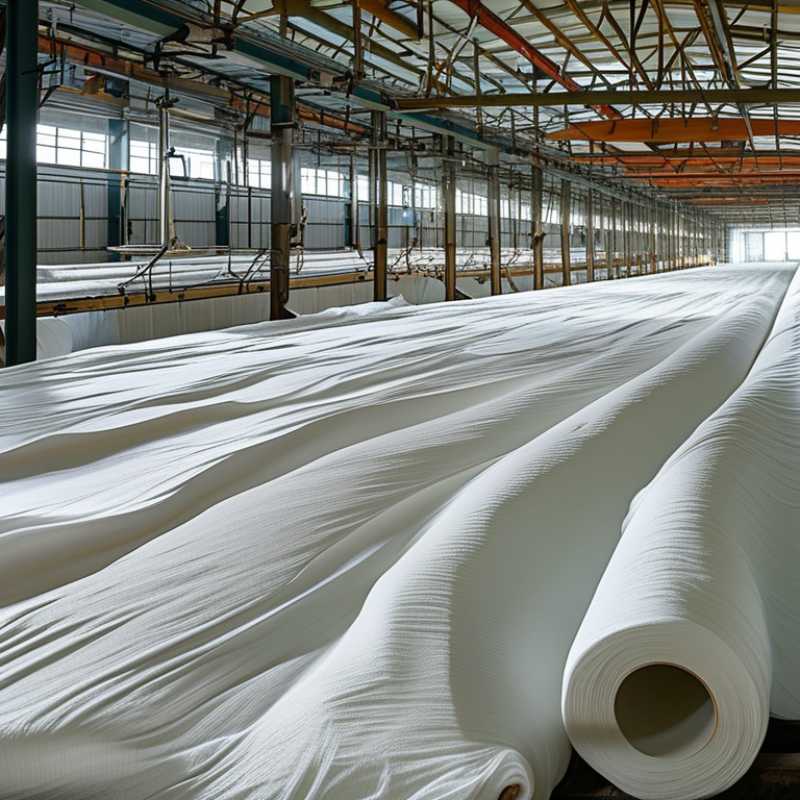
Understanding Spunbonding Nonwoven Fabric Manufacturing Processes
Spunbonding nonwoven fabric is an innovative material widely used across various industries. The manufacturing process is crucial in determining the quality and suitability of the fabric for specific applications. At its core, spunbonding involves the extrusion of thermoplastic fibers, which are then stretched and bonded together. This process allows for high strength and durability, crucial for applications in medical, automotive, and filtration sectors.
According to the Technical Textile Market Report, the global demand for nonwoven fabrics is projected to reach 50 billion square meters by 2026. This significant growth highlights the importance of understanding manufacturing techniques. Key factors include fiber type, bonding methods, and weight specifications. Studies indicate that lighter fabrics may sacrifice durability. This potential trade-off necessitates careful consideration when choosing materials.
Incorporating advanced technologies can improve spunbonding processes. For instance, inline processing of nonwoven materials can enhance uniformity. However, the reliance on automation can lead to a lack of human oversight, raising concerns about quality control. Manufacturers must balance efficiency with the need for meticulous standards. Additionally, fluctuating raw material costs can impact product pricing and availability, challenging the industry's stability. Understanding these dynamics is essential for selecting the right spunbonding nonwoven fabric for your needs.
Key Properties of Spunbonding Nonwoven Fabrics: Strength and Durability
When selecting spunbonding nonwoven fabrics, strength and durability are crucial factors. These fabrics are known for their exceptional tensile strength. They resist tearing and stretching, making them ideal for various applications, from medical supplies to industrial uses. The layering process enhances these features, creating a fabric that is both lightweight and strong.
Additionally, the durability of spunbonding nonwoven fabrics is worth noting. They exhibit excellent resistance to wear and environmental factors. This characteristic ensures a longer lifespan, even in harsh conditions. However, users should be aware that not all spunbonding fabrics are equal. Variations in production methods can lead to differences in performance. Testing fabric samples before a large purchase can help identify the best option for your specific needs.
Remember that while strength and durability are important, it’s essential to evaluate other properties too. Factors like breathability, texture, and chemical resistance might influence your decision. Engaging with suppliers can provide valuable insights but be cautious. Always research and verify details. Balancing all these elements can lead you to the best spunbonding nonwoven fabric for your project.
Applications of Spunbonding Nonwovens in Various Industries
Spunbonding nonwoven fabrics are versatile materials with a wide range of applications across various industries. In the medical sector, they are essential for producing face masks and surgical gowns. Research shows that spunbonded fabrics provide effective barrier properties against liquids and contaminants. A study by the Nonwovens Institute indicates that spunbond fabrics have a filtration efficiency of over 95%, making them suitable for use in healthcare settings.
The construction industry also benefits significantly from spunbonding nonwovens. They serve as geotextiles, improving drainage and preventing soil erosion. The global geotextile market, valued at approximately $12 billion in 2022, is projected to grow consistently, driven by the demand for sustainable building materials. Spunbonded fabrics help reduce construction waste, an ever-important factor in environmentally conscious practices.
Despite the advantages, choosing the right spunbonding nonwoven fabric can be challenging. Not all spunbonded materials are created equal, and quality can vary significantly. It is essential to evaluate specific performance factors such as tensile strength and breathability. Manufacturers must also consider the environmental impact, as production methods can lead to varying levels of sustainability. Understanding these nuances is crucial in selecting the best fabric for specific applications.
Sustainability and Environmental Impact of Spunbonding Nonwoven Fabrics
When considering the sustainability of spunbonding nonwoven fabrics, it's essential to examine their raw materials. Many spunbonded fabrics are made from polypropylene, which is derived from fossil fuels. This sourcing raises environmental concerns regarding resource depletion and carbon emissions. Alternative materials, such as biodegradable and recycled fibers, are gaining traction. However, their availability and production methods can vary widely.
The production process of spunbonded fabrics also impacts their environmental footprint. The high-energy consumption in manufacturing contributes to greenhouse gas emissions. While advancements are being made to improve energy efficiency, the industry still grapples with significant challenges. Moreover, the disposal of these fabrics presents issues. Unlike traditional textiles, many nonwoven fabrics are not recyclable, leading to potential landfill accumulation.
Reflecting on these factors is crucial for anyone interested in using spunbonding nonwoven fabrics. While they offer advantages like durability and versatility, their environmental impact cannot be overlooked. It's a complex issue that requires consumers to weigh the benefits against the potential harm to the planet. Engaging in this dialogue is vital for making informed choices in materials. This consideration will push the industry toward more sustainable practices.
How to Choose the Best Spunbonding Nonwoven Fabric for Your Needs?
| Fabric Type |
Weight (g/m²) |
Thickness (mm) |
Breathability (mm/H2O) |
UV Resistance |
Recyclability |
| Standard Spunbond |
30 |
0.5 |
1000 |
Low |
Yes |
| High-Performance Spunbond |
50 |
0.7 |
1500 |
Medium |
Yes |
| Biodegradable Spunbond |
40 |
0.6 |
1200 |
High |
Yes |
| Flame Retardant Spunbond |
45 |
0.65 |
1300 |
Medium |
No |
Cost Considerations and Quality Factors in Choosing Spunbonding Fabrics
When selecting spunbonding nonwoven fabric, cost considerations are crucial. The price often correlates with quality. However, lower cost options may not offer the durability needed for certain applications. A careful balance is essential. Cheaper fabrics might save money initially but lead to higher replacement costs over time.
Quality factors also play a vital role. Look for fabrics with excellent tensile strength and tear resistance. These features ensure the fabric can withstand rigorous use. Additionally, the fabric's breathability is important for applications such as hygiene products. If the fabric lacks these qualities, it won't fulfill its intended purpose efficiently.
Be mindful of sourcing practices too. Sustainable materials can enhance the product's appeal. Many consumers prioritize eco-friendly options. However, these products may come at a premium. Thus, evaluating personal values against budget constraints is necessary. Reflecting on these aspects will guide you in making a more informed decision.
Cost Considerations and Quality Factors in Choosing Spunbonding Fabrics
FAQS
: Strength and durability are crucial. These fabrics resist tearing and stretching, suitable for various applications.
They resist wear and environmental factors, ensuring a longer lifespan, even in tough conditions.
No, production methods vary, leading to differences in performance. Testing samples is advisable before large purchases.
Evaluate breathability, texture, and chemical resistance to ensure the fabric meets your project's needs.
Price often correlates with quality but cheaper options may lack necessary durability, leading to increased replacement costs.
Look for tensile strength and tear resistance. Breathability is also important for hygiene-related applications.
Yes, eco-friendly options often appeal to consumers, but they can be more expensive. Budget must be evaluated.
While these are important, balancing all properties, including texture and breathability, is essential for project success.
They might be tempting, but consider long-term costs vs upfront savings. Reflect on your needs carefully.
Relying solely on price rather than evaluating performance and quality factors could lead to poor choices.
Conclusion
When selecting the best Spunbonding Nonwoven Fabric for your needs, it is essential to understand the manufacturing processes involved, as these influence the fabric's key properties such as strength and durability. Spunbonding technology involves the continuous production of fabric by extruding polymer fibers, creating a material that is versatile and robust, suitable for various applications in industries like healthcare, construction, and agriculture.
Additionally, sustainability and environmental impact are significant factors to consider in choosing Spunbonding Nonwoven Fabrics. Manufacturers are increasingly focusing on eco-friendly practices and materials, which can enhance the fabric's appeal. Cost considerations play a vital role, as the quality of the fabric should align with budget constraints. By weighing these factors, you can make an informed choice that meets functional requirements while being mindful of environmental impacts.

 HG NONWOVEN