Top 5 Tips for Choosing Spunbonded Non Woven Machines?

Time:2026-07-11 Author:Mason
0%

Choosing the right Spunbonded Non-Woven Machine can significantly impact your production efficiency and material quality. With various options available, it becomes crucial to understand key factors influencing your decision. Investing in a machine that meets your specific needs can enhance both profitability and workflow.

Consider the machine's production capacity and the type of non-woven fabric you intend to create. Different applications may require unique specifications. Additionally, reliability and maintenance support from the manufacturer play a critical role in your long-term satisfaction. Many users overlook this aspect and later face operational challenges.

It’s also important to evaluate the technological advancements of the machines. Some machines offer automation features that can reduce labor costs. However, not every advanced feature may be beneficial for your production scale. Be mindful of your operational needs and budget constraints. Balancing quality, efficiency, and cost is essential in making an informed choice.
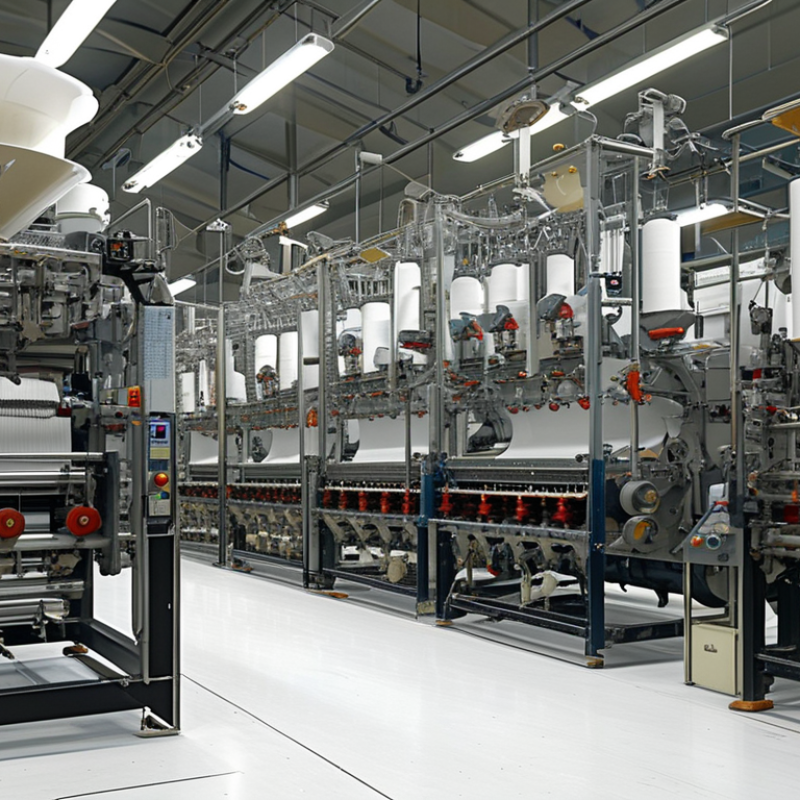
Top 5 Tips for Choosing Spunbonded Non Woven Machines?

Understanding Spunbonded Non-Woven Fabrics and Their Applications

Spunbonded non-woven fabrics have become essential in various industries. These materials are widely used in medical supplies, geotextiles, and consumer goods. Their unique properties—lightweight, durable, and breathable—make them versatile for many applications. In healthcare, spunbonded fabrics are often used for gowns and masks, offering protection while remaining comfortable.

Understanding how these fabrics are produced is crucial. The spunbonding process involves extruding thermoplastic fibers, which are then bonded together. This method creates a fabric that is both strong and flexible. Applications extend beyond healthcare; for example, they are used in agriculture for crop covers. Yet, the production process can sometimes lead to waste, prompting a need for more sustainable practices.

As industries evolve, the demand for spunbonded non-woven fabrics continues to grow. However, not all machines produce the same quality. Investing in the right equipment is vital. Buyers should consider the machine's efficiency and output capability. Additionally, seeking expert advice can enhance decision-making in selecting suitable machines. This ensures high-quality production that meets market needs.

Key Features to Look for in Non-Woven Machine Technology

When selecting spunbonded non-woven machines, understanding key features is crucial for success. The technology behind non-woven production has evolved significantly. Key features include the type of fiber, production speed, and energy efficiency. For instance, recent industry reports indicate that advanced machines can produce over 1,000 kg of non-woven fabric per hour.

Prioritizing energy efficiency is vital; it directly affects operational costs. Look into machines with variable speed drives that optimize power use. Additionally, pay attention to the machine's adaptability to various fibers. A machine that can handle different materials offers flexibility in production.

Here are some tips to consider: Evaluate the machine's total cost of ownership. Being informed about maintenance requirements can save time and money. Lastly, ensure the supplier provides strong technical support. You may find machines with great specifications lacking in user assistance. An informed choice will significantly impact your production process.

Evaluating Production Capacity and Efficiency Requirements

When selecting spunbonded non-woven machines, evaluating production capacity is crucial. Consider your expected output and how it aligns with your business goals. Each machine offers unique capabilities. Some may create high volumes in less time, while others excel in quality at lower outputs. A balance between speed and quality can be challenging to achieve.

Efficiency is equally important. Energy consumption and waste reduction can significantly impact operational costs. Investing in machines that optimize these factors is wise. Look for features that help monitor performance metrics. Regular maintenance is essential for sustaining efficiency over time. Machines may show signs of wear and can impact production flow.

Understanding your production needs requires reflection. Are you meeting market demand? An over or under-capacity can lead to financial strain. Assessing these elements regularly allows for adjustments in your operational strategy. The right equipment should support both current needs and future growth. Make informed decisions to ensure sustainable success.

Assessing Machine Durability and Maintenance Needs

When selecting spunbonded non woven machines, assessing durability and maintenance needs is essential. The longevity of a machine impacts overall productivity and return on investment. Data shows that well-maintained machines can operate efficiently for more than ten years. Neglecting routine maintenance can lead to decreased performance and increased downtime.


Consider the material used for machine construction. Steel frames usually offer better durability compared to lighter materials. However, maintenance costs may also be higher for these robust structures. Inspection protocols should include checking wear and tear on key components. Regular maintenance can mitigate potential issues, reducing unexpected failures.


Moreover, operator training plays a crucial role in machine upkeep. Properly trained staff can identify early warning signs of wear. Reports indicate that training programs can reduce maintenance costs by 30%. It’s not just about purchasing high-quality machines; sustainable operations depend on how well they are maintained. With this focus, businesses can ensure their equipment runs smoothly over its lifespan, highlighting the importance of a thorough evaluation of durability and maintenance needs.

Comparing Costs and Return on Investment for Equipment Choices

When selecting spunbonded nonwoven machines, analyzing costs and return on investment is crucial. According to a recent market report by Smithers, the global nonwoven fabric market is expected to reach over $50 billion by 2025. This growth indicates an increasing demand for efficient manufacturing processes and technology.

Initial costs for equipment can vary significantly. Basic spunbond machines can range from $200,000 to over $1.5 million. However, the choice of machine should align with production goals. High-capacity machines might have higher upfront costs, but they could yield greater returns by reducing per-unit costs. Around 30% of manufacturers see a return on investment within two years when investing in more advanced technology.

It's essential to consider maintenance costs, too. Older machines may require frequent repairs. They can lead to downtime, affecting overall productivity. Investing in newer technology often reduces these risks, enhancing reliability. Assessing total ownership costs over several years provides a clearer financial picture. An accountable investment analysis will highlight the trade-offs between initial investment and long-term savings.

Cost Comparison of Spunbonded Non Woven Machines

This chart presents a comparison of the costs associated with different spunbonded non woven machines. Each machine's cost is represented in USD, aiding in evaluating the financial implications of equipment choices.

FAQS

: What are the key features to consider in non-woven machines?

: Key features include fiber type, production speed, and energy efficiency. These significantly impact production outcomes.

How does energy efficiency affect operational costs?

Energy efficiency directly influences running costs. Machines that optimize power use can lower expenses.

Why is adaptability in machines important?

Machines that handle various fibers provide production flexibility. This can help meet diverse market demands.

What should be considered for maintenance costs?

Older machines might need frequent repairs. This can result in increased downtime and lost productivity.

How do initial machine costs vary?

Basic machines can range from $200,000 to over $1.5 million. Choose based on your specific production goals.

What is the expected return on investment for advanced technology?

About 30% of manufacturers see ROI within two years. Investing in modern technology may yield better returns.

Why is total cost of ownership important?

Evaluating total costs over time gives a clearer financial picture. It helps in making informed investment decisions.

How can supplier support impact machine performance?

Strong technical support can enhance machine usability. Lack of support may lead to production challenges.

What is a potential risk of investing in older machines?

Older machines can lead to increased maintenance and downtime. This can negatively affect overall output.

Why is it vital to be informed about maintenance?

Understanding maintenance requirements can save time and money. Informed operators can lessen operational disruptions.

Conclusion

When selecting a Spunbonded Non-Woven Machine, it is crucial to first understand the characteristics and applications of spunbonded non-woven fabrics. Evaluating the key features of non-woven machine technology, such as operational efficiency and production capabilities, will help ensure that the equipment meets your specific requirements.

Additionally, assessing the durability and maintenance needs of the machine is vital for long-term performance. Finally, comparing costs and potential return on investment will aid in making an informed decision, ensuring that the chosen equipment aligns with your financial and operational goals. By carefully considering these aspects, businesses can effectively invest in the right Spunbonded Non-Woven Machine to enhance their production processes.

Mason

Mason

Mason is a seasoned marketing professional with a deep expertise in the company's offerings and a passion for driving brand awareness. With a strong background in digital marketing strategies, he has an innate ability to connect with diverse audiences and effectively communicate product benefits.......