Choosing the right Spunbonded Nonwoven fabric can be challenging. Experts like Dr. Emily Smith, a leading authority in nonwoven technology, emphasize, "The right material can significantly impact product performance." This statement highlights the importance of making informed choices.
Spunbonded Nonwoven fabrics are popular in various industries. They are known for their durability and versatility. However, not all products offer the same quality. Key factors to consider include weight, strength, and application. Each attribute influences the fabric's performance.
Moreover, understanding your specific needs is crucial. Some fabrics may exhibit limitations that may not fit your project. Reflecting on these aspects can guide you toward better decisions. The choice of Spunbonded Nonwoven can ultimately determine your project's success.
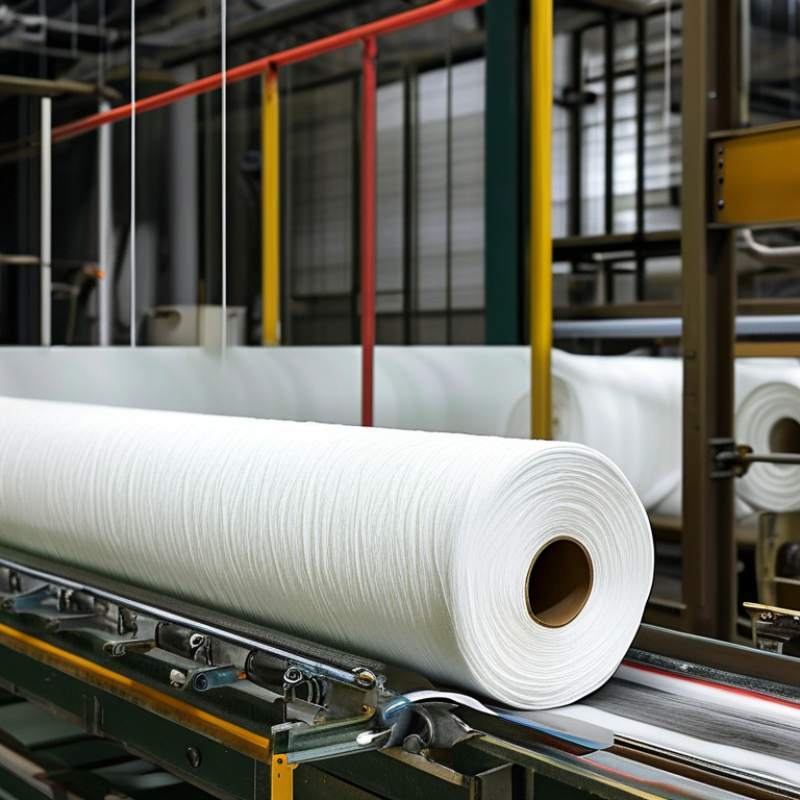
Spunbonded nonwoven fabric is gaining popularity for various applications. Its unique characteristics make it a versatile choice. This fabric is made from continuous filaments, which are bonded together without any weaving or knitting process. It results in a lightweight, durable material that can withstand wear and tear. This fabric is also resistant to water and chemicals, making it ideal for use in gardening, medical applications, and home furnishings.
One key characteristic of spunbonded nonwoven fabric is its breathability. This feature allows air to circulate, making it suitable for items like face masks and protective clothing. However, its breathability can be a double-edged sword, as it may not provide adequate protection against certain particles. Another aspect to consider is the fabric's color retention. While many varieties are available in vibrant colors, some may fade over time.
When selecting spunbonded nonwoven fabric, it’s important to assess your specific needs. Consider the weight and thickness required for your application. Aspects like softness and texture also play a role in the overall effectiveness. Reflect on these details to ensure you choose the right material.
Spunbonded nonwoven fabric is versatile and widely used in various applications. Its unique properties make it ideal for different industries. For instance, it serves well in medical settings due to its breathability and fluid resistance. Hospitals utilize it for surgical gowns and drapes, ensuring hygiene and protection.
In agriculture, spunbonded nonwoven fabric plays a crucial role. It protects crops from harsh weather while allowing light and moisture to pass through. Farmers appreciate its durability and lightweight nature. However, selecting the right fabric can be challenging. There are different weights and compositions. Understanding specific needs is critical for optimal performance.
In the fashion industry, spunbonded fabrics are gaining traction for making bags, garments, and even accessories. Its ability to hold shapes and be dyed adds to its appeal. Yet, designers sometimes struggle with the fabric's stiffness. Finding the right balance between flexibility and structure requires careful consideration.
Choosing the right spunbonded nonwoven fabric can be a challenging task. Several factors come into play when making your decision. Consider the fabric's intended use. Will it be for protective clothing, agricultural applications, or filtration? Each application has specific requirements. Analyzing these needs will guide your choice.
Thickness is another crucial factor. Different thicknesses offer varying degrees of durability and flexibility. A thicker fabric may provide better resistance to wear. However, it can also limit breathability. Balance is essential. Test samples in your environment to see how they perform.
Also, examine the fabric's composition. Common materials include polypropylene and polyester. Both have unique properties, such as moisture resistance and UV stability. Research these characteristics to find the best fit. Keep in mind that not every option will meet all your expectations. Sometimes, compromises are necessary, pushing you to rethink your priorities.
| Factor | Description | Considerations | Applications |
|---|---|---|---|
| Weight | Refers to the fabric's weight per unit area, usually measured in grams per square meter (GSM). | Choose based on required durability and application. | Geotextiles, filtration. |
| Color | Available in various colors to meet specific aesthetic or functional needs. | Check for colorfastness based on usage. | Packaging, crafts. |
| Thickness | Impact on texture, feel, and insulation properties. | Consider thickness for thermal insulation requirements. | Medical gowns, insulation. |
| Barrier Properties | Resistance to liquids, air, and particulates. | Essential for medical and cleanroom applications. | Surgical masks, protective garments. |
| Recyclability | Ability to be recycled or disposed of sustainably after use. | Consider environmental impact and recycling options. | Eco-friendly packaging. |
When selecting spunbonded nonwoven fabrics, understanding the different types is crucial. Spunbonded fabrics are created through a process that involves melting and spinning polymer fibers. This method yields fabrics that are strong and lightweight. Their unique properties make them suitable for a variety of applications.
There are several types of spunbonded nonwovens to consider. For instance, polypropylene spunbond is popular in medical and hygiene products due to its excellent barrier properties. On the other hand, polyester spunbond offers enhanced durability and is often used in construction and automotive applications. Each type has its own advantages, but the right choice depends on the specific requirements of your project.
Choosing the right fabric can be challenging. Some options may not perform as expected in certain conditions. Testing and assessing each fabric is essential. Consider factors like thickness, breathability, and cost-effectiveness. The right spunbonded nonwoven fabric should align with your needs but may require adjustments based on real-world performance. It's an iterative process that benefits from research and feedback.
When purchasing spunbonded nonwoven fabric, it’s essential to define your specific needs. Consider the intended application. Different projects may require different fabric weights and thicknesses. For instance, a filter application demands a lighter weight, while a crafting project might benefit from a sturdier fabric. Understanding your end use will help guide your selection.
Evaluate the material's properties. Spunbonded nonwoven fabrics can vary in terms of strength, breathability, and softness. For medical uses, a fabric with high barrier properties is crucial for protection. On the other hand, agricultural applications might require enhanced UV resistance. Don’t neglect these factors; they directly affect durability and performance.
It’s also wise to consider the environmental impact. Some spunbonded fabrics are more sustainable than others. Research the sourcing and production processes. While cost is important, a cheaper option may not always be the best choice. Investing in higher-quality fabric can lead to better results over time. Always weigh the options and reflect on their long-term implications.
: Spunbonded nonwoven fabric is made from continuous filaments, bonded without weaving. It’s lightweight and durable.
It’s used in gardening, medical applications, and home furnishings due to its durability and resistance.
Yes, it allows air circulation, making it suitable for face masks. However, it may not block all particles.
While many colors are vibrant, some may fade over time, so watch for color longevity.
Assess weight, thickness, softness, and texture for your specific needs to ensure effectiveness.
Yes, types like polypropylene and polyester have unique properties suitable for specific applications.
Some options may not perform as expected, so testing ensures alignment with your real-world needs.
It might be necessary to adjust your selection based on performance feedback and research.
Durability affects long-term use. Ensure the type you choose withstands the conditions it will face.
Not always. It can be challenging and requires consideration of various factors and iterative testing.
Spunbonded Nonwoven fabrics are essential materials known for their unique characteristics, including durability, lightweight nature, and versatility. When evaluating their applications, these fabrics can be found in various sectors such as medical, automotive, and textiles, making them highly sought after. Selecting the right Spunbonded Nonwoven fabric involves considering factors like thickness, strength, and intended use to ensure it meets specific requirements effectively.
Moreover, understanding the differences between various types of Spunbonded Nonwoven fabrics is crucial for making an informed choice. By assessing these attributes and potential applications, buyers can make well-informed purchasing decisions tailored to their specific needs. It’s important to consider not only the material properties but also how they align with the intended function to achieve optimal results.

HG NONWOVEN