Top 5 Tips for Choosing Ss Spun Bond Non Woven Machine?

Time:2026-06-16 Author:Ethan
0%

Choosing the right Ss Spun Bond Non Woven Machine can be a complex decision. According to a recent industry report, the global non-woven fabric market is projected to reach $50 billion by 2027, highlighting the importance of quality machinery in production. An expert in the field, Dr. Emily Wang, states, "Investing in the right equipment is crucial for sustained growth in non-woven manufacturing."

With numerous options on the market, it’s essential to assess your specific needs. Are you prioritizing speed or versatility? The right Ss Spun Bond Non Woven Machine must meet your production goals while maintaining efficiency and quality. Take note that many machines may look similar, but performance varies widely.

Understanding the complexities of your operations can guide you through this selection process. Manufacturers often overlook key features or equipment compatibility, leading to inefficiencies. Reflecting on these aspects will help you make a more informed decision, ultimately enhancing your production capabilities.
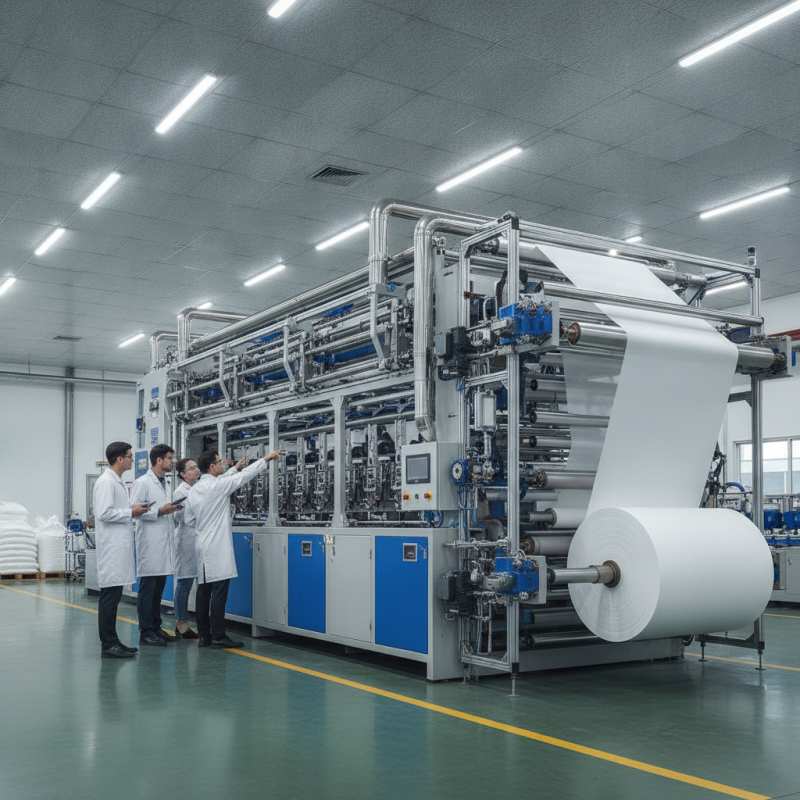
Top 5 Tips for Choosing Ss Spun Bond Non Woven Machine?

Understanding the Basics of SS Spun Bond Non Woven Machines

When considering SS spun bond non woven machines, it's crucial to grasp their fundamentals. These machines utilize polypropylene as their main material. The spun bonding process involves extruding molten polymer through spinnerets, which then cools and solidifies, forming a web. Understanding how these machines operate is vital for selecting the right model.

The capacity and efficiency of the machine should match your production needs. Evaluate the machine's output rate, which is usually measured in kilograms per hour. It's important to consider whether the machine can handle the volume you require. Some machines may struggle with larger outputs, leading to bottlenecks in production.

Material versatility is another point of reflection. Some machines perform better with specific types of fibers. If you plan to diversify your product range, this limitation could impact your decisions. Therefore, thorough research and insights on industry trends are necessary for making an informed choice.

Key Features to Consider When Selecting a Non Woven Machine

When selecting a non-woven machine, understanding key features is essential. One crucial feature is the production capacity. Assess how much output you need daily. This will guide your choice. Too small a capacity can lead to delays, while too large can waste resources.

Another important factor is the machine's versatility. Look for machines that can handle various materials. This flexibility can be beneficial. It allows manufacturers to adapt to changing market demands without investing in new equipment.

Maintenance and support also matter. Machines should come with reliable service options. Understand the expected maintenance routines as well. Regular upkeep can prevent costly downtime. Review experiences from others regarding part availability and service responsiveness. These insights can be valuable in your decision-making process. The right machine should not only meet current needs but also support future growth and innovation.

Assessment of Production Capacity and Efficiency

When selecting an SS spun bond non-woven machine, evaluating production capacity and efficiency is crucial. Studies indicate that the efficiency of these machines can significantly impact output and waste minimization. Brands that have analyzed various models report a typical efficiency range of 80-90%. However, actual performance can vary based on the machine settings and the operator's skill level.

Production capacity is another essential factor. Machines can vary widely in their ability to produce non-woven fabric. Some high-capacity systems can produce over 3,000 kg of fabric per hour, which is vital for large-scale operations. Investing in technology that can adapt to different production needs is essential.

It’s important to consider the long-term return on investment (ROI). Many users underestimate ongoing operational costs, including maintenance and labor. A detailed analysis of total lifecycle costs is advised. The best machines may come with a higher initial cost but can save money over time. Recognizing these nuances ensures a well-informed decision, ultimately leading to increased efficiency and profitability.

Production Capacity and Efficiency Assessment of Ss Spun Bond Non Woven Machines

Evaluating the Cost and Budget for Machine Purchase

When evaluating the cost for a spun bond non-woven machine, it's essential to start with a clear budget. The price of these machines typically ranges from $100,000 to $500,000. This range can vary significantly based on the machine's capacity, features, and manufacturer. Industry reports indicate that production capacity directly impacts cost. For instance, machines with a higher output tend to have a greater upfront price, but may result in lower per-unit manufacturing costs.

Consider maintenance and operational expenses as well. Reports suggest that operational costs can account for up to 30% of the total production budget. These expenses include energy, labor, and raw materials. A machine's efficiency largely determines operational costs. Investing in a more sophisticated machine may reduce energy consumption. However, this requires careful analysis of upfront costs vs. long-term savings.

It's also crucial to evaluate financing options. Many companies find financing through loans or leasing to be more feasible. Industry data show that companies opting for leasing report less strain on cash flow. Nonetheless, balancing the machine's quality and financing terms is vital. A machine with a lower price tag might not provide the same longevity or reliability, leading to potential unforeseen expenses down the line.

Top 5 Tips for Choosing Ss Spun Bond Non Woven Machine

Dimension Recommendation Price Range (USD) Expected Output (kg/h) Power Consumption (kW)
Material Versatility Choose machines capable of handling various materials $50,000 - $75,000 200 - 400 30
Machine Size Consider space availability in the facility $45,000 - $70,000 150 - 300 25
Automation Level Look for options with higher automation for efficiency $60,000 - $90,000 250 - 450 35
Maintenance Support Ensure reliable after-sales service and support $40,000 - $65,000 180 - 370 28
Eco-Friendliness Choose energy-efficient models with low emissions $55,000 - $85,000 200 - 380 32

Importance of After-Sales Support and Maintenance Services

When selecting a spun bond non-woven machine, after-sales support and maintenance are vital considerations. These services ensure your machine operates efficiently long-term. A strong after-sales service indicates the manufacturer's commitment to customer satisfaction. Look for companies that offer timely assistance and respond quickly to inquiries. This is crucial when issues arise with the machine.

Another tip is to inquire about the maintenance services provided. Regular maintenance prolongs the life of your equipment. Ask potential suppliers about their maintenance schedules. A provider that offers comprehensive plans can save you money over time. Skilled technicians should be available for repairs and troubleshooting.

It’s essential to reflect on the support you might need. Sometimes, machines require unexpected repairs. Evaluate how easily you can access parts and assistance. The efficiency of your operations depends on reliable after-sales support. Investing time in research today pays off later. Prioritizing these aspects can lead to a more successful operation.

FAQS

: What is the main material used in SS spun bond non-woven machines?

: The primary material is polypropylene.

How does the spun bonding process work?

It extrudes molten polymer through spinnerets, then cools to form a web.

Why is evaluating production capacity important?

It ensures the machine meets your output needs without bottlenecks.

What is a typical output rate for these machines?

It can range from several hundred to over 3,000 kg per hour.

How does machine efficiency impact production?

Higher efficiency minimizes waste and maximizes output, often around 80-90%.

What should be considered regarding maintenance services?

Regular maintenance extends machine lifespan; inquire about support frequency.

How can after-sales support affect operations?

Reliable support ensures quick resolutions to machine issues and enhances efficiency.

What hidden costs should be considered when purchasing?

Ongoing operational costs, such as maintenance and labor, can add up over time.

Can all machines handle diverse fiber types?

No, some machines are better suited for specific fibers, limiting versatility.

How do operator skills influence machine performance?

Skilled operators can adjust settings for optimal efficiency, impacting overall output.

Conclusion

When choosing an SS Spun Bond Non Woven Machine, it's essential to first understand the basic principles behind its operation. This includes knowing how the technology works and the various applications it serves. Key features such as speed, flexibility, and ease of operation should be considered to ensure the machine meets production requirements effectively.

Additionally, evaluating production capacity and efficiency is crucial. Prospective buyers must assess their specific needs against what the machine can deliver. Cost and budget considerations also play a significant role in the decision-making process, with a careful balance between investment and expected output being vital. Lastly, after-sales support and maintenance services should not be overlooked, as they are important for the longevity and reliability of the SS Spun Bond Non Woven Machine.

Ethan

Ethan

Ethan is a seasoned marketing professional with a deep expertise in our company's innovative product line. With a passion for sharing knowledge and insights, he takes the lead in regularly updating our corporate blog, where he explores industry trends, product features, and effective marketing......