Top Spunbond Nonwoven Plant Solutions for Global Buyers?

Time:2026-08-05 Author:Amelia
0%

In the evolving landscape of nonwoven textiles, the Spunbond Nonwoven Plant sector stands out. Industry expert Dr. Sarah Collins remarked, "Efficient plants are crucial for meeting global demand." The demand for innovative solutions is driven by various factors including sustainability and versatility.

Spunbond nonwoven technology has a wide range of applications. It is used in hygiene products, medical textiles, and construction materials. Buyers seek reliable, efficient, and cost-effective solutions. However, the challenges include the need for advanced technology and maintaining quality standards. Suppliers must adapt to these demands while facing resource constraints.

The journey toward an optimal Spunbond Nonwoven Plant involves continuous learning and adaptation. Clients often need customized solutions to meet specific needs. This requires a collaborative approach between manufacturers and buyers. Investment in research and development is vital for long-term success. However, not every solution will fit all needs; ongoing reflection on strategies is necessary for growth.
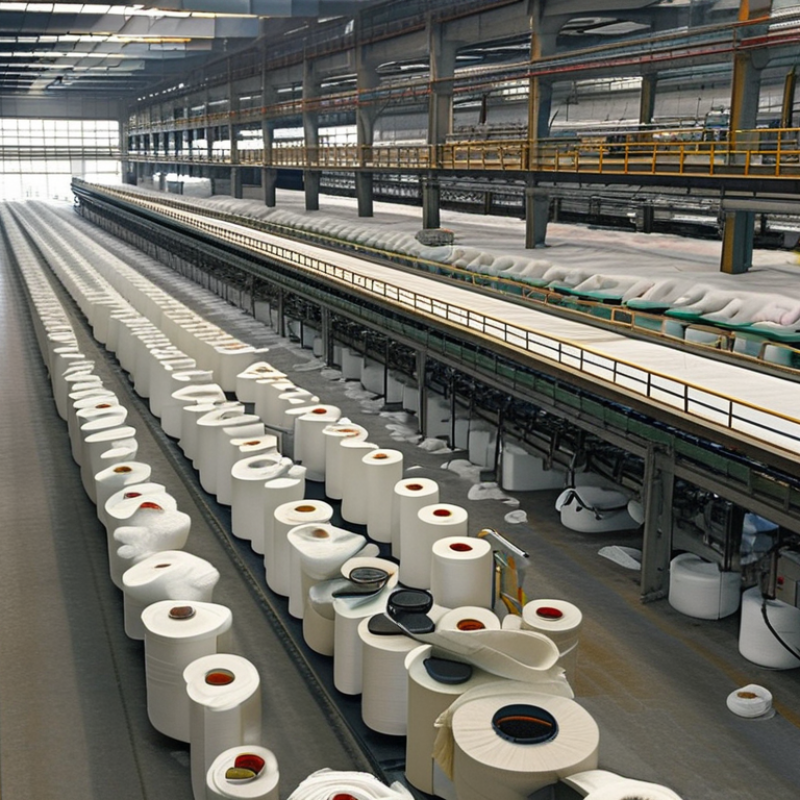
Top Spunbond Nonwoven Plant Solutions for Global Buyers?

Overview of Spunbond Nonwoven Fabrics and Their Applications

Spunbond nonwoven fabrics have gained significant traction globally. These materials are renowned for their versatility and durability. According to industry reports, the global market for nonwoven fabrics is expected to exceed $50 billion by 2025. Spunbond technology plays a crucial role in this growth.

Applications of spunbond nonwovens span various sectors. They are commonly used in hygiene products, such as diapers and feminine care items. In the medical field, their use in surgical gowns and masks enhances protection. In agriculture, spunbond nonwovens serve as effective weed control fabrics. Despite these benefits, challenges exist, such as the environmental impact of synthetic fibers.

The reliability of spunbond nonwovens lies in their production process. This method allows for efficient mass production while ensuring consistent quality. However, questions arise about sustainability. The industry must address the need for eco-friendly alternatives. Material innovation is essential for reducing dependence on non-biodegradable resources. As the market evolves, balancing performance with environmental responsibility will be a key focus.

Key Factors to Consider When Choosing a Spunbond Nonwoven Plant

When selecting a spunbond nonwoven plant, buyers should consider several key factors that influence production efficiency. The layout of the plant significantly impacts workflow. A well-organized plant can minimize delays and streamline operations. Additionally, the layout should facilitate easy maintenance and upgrades, allowing for flexibility in the production line.

The choice of machinery is critical. Buyers need to understand the technology behind spunbonding. Modern equipment can enhance product quality and reduce waste. However, it’s essential to balance the cost of machinery with expected output and efficiency. Advanced technology may come at a higher price, but it often pays off in the long run.

Another factor is the availability of skilled workers. A well-trained team can manage operations smoothly. They can troubleshoot issues promptly, ensuring minimal downtime. Investing in training can lead to better production outcomes. It’s also worth assessing local labor markets for reliable, trained staff. Each of these aspects requires careful consideration to ensure a successful spunbond nonwoven plant.

Top Spunbond Nonwoven Plant Solutions for Global Buyers

Feature Importance Consideration Cost Range ($)
Production Capacity High Evaluate the daily output suitable for market demand 100,000 - 1,000,000
Technology Level High Modern automation vs. manual processes 500,000 - 2,000,000
Energy Efficiency Medium Consider energy consumption and savings 50,000 - 150,000
Maintenance Requirements Medium Frequency of maintenance and service needs 20,000 - 80,000
Production Material Options High Versatility in raw materials used 30,000 - 100,000
Support and Service High Availability of technical support and training 10,000 - 40,000

Innovative Technologies in Spunbond Nonwoven Production Processes

The advancements in spunbond nonwoven technology have reshaped various industries. Continuous research and development efforts focus on enhancing efficiency and sustainability in production. Innovative processes, such as meltblown and spunbond combination, offer unique properties, thus improving end-product functionality.

Using specialized polymers in production can improve strength and durability. These materials often reduce waste during manufacturing. However, the challenge remains in balancing cost and quality. Buyers may need to invest in training for optimal equipment operation. This ensures they harness technologies effectively for superior product outcomes.

Automation is emerging as a critical element. Smart machinery can monitor production in real-time, allowing rapid adjustments. Nonetheless, this transition requires a skilled workforce, which can strain resources. Buyers must carefully assess their current capabilities against the requirements of adopting these innovations. A calculated approach can yield considerable benefits, yet entails a learning curve.

Top Global Suppliers of Spunbond Nonwoven Equipment and Solutions

In the world of spunbond nonwoven technology, finding the right equipment is crucial for global manufacturers. Various suppliers offer innovative solutions tailored to different production needs. These suppliers provide high-quality machinery and support to enhance manufacturing efficiency. However, buyers must conduct thorough research on the machinery's specifications and reliability.

When selecting suppliers, consider their experience in the industry. Check their portfolio and previous projects to gauge their expertise. It's vital to ensure that the equipment meets international standards. Also, pricing should align with your budget while maintaining quality. The balance between cost and reliability can be tricky.

Tips: Always ask for customer testimonials. They provide insight into the supplier's service quality. Attend industry trade shows to see machinery in action. This helps you visualize operational efficiency. Don't hesitate to seek advice from industry experts to refine your choices.

Future Trends in the Spunbond Nonwoven Industry for Buyers

The spunbond nonwoven industry is evolving rapidly. A recent report estimates that the global market for spunbond nonwoven fabrics will reach $15 billion by 2025. This growth is driven by rising demand in sectors like hygiene, automotive, and construction. Buyers should anticipate innovative materials and eco-friendly options.

Manufacturers are focusing on sustainability. Increasing legislation around plastic use is pushing the industry towards biodegradable and recyclable materials. Buyers need to prioritize suppliers who invest in green technologies. Adopting eco-friendly options can enhance brand reputation and appeal to environmentally conscious customers.

**Tip:** Research suppliers committed to sustainability to ensure your products align with market demand.

Moreover, automation and advanced technology are transforming production processes. Innovations in machinery increase efficiency and reduce costs. However, investment in new technology can be a challenge. Buyers must weigh the long-term savings against initial expenses.

**Tip:** Consider forming partnerships with technology providers to navigate the transition smoothly.

Staying abreast of these trends is essential for buyers. The landscape is competitive, and informed choices will foster better supply chain management. Adapting to these changes is both an opportunity and a challenge.

FAQS

: What factors should be considered when choosing a spunbond nonwoven plant?

: Consider the plant layout, machinery, and availability of skilled workers.

How does plant layout affect production?

A well-organized layout minimizes delays and streamlines operations.

Why is machinery choice important?

Modern equipment enhances quality and reduces waste but may cost more.

What influence do skilled workers have on operations?

Trained staff manage operations smoothly and resolve issues quickly.

How is the spunbond nonwoven industry expected to evolve?

The market may reach $15 billion by 2025, driven by demand in hygiene and automotive sectors.

Why prioritize suppliers who use green technologies?

Sustainability enhances brand reputation and appeals to eco-conscious customers.

What challenges come with investing in new technology?

Initial expenses can be high, requiring careful consideration of long-term savings.

What’s the importance of adapting to industry trends?

Staying informed fosters better supply chain management amidst competition.

How can partnerships with technology providers help?

They can ease transitions and improve efficiency in adopting new tech.

What are some potential drawbacks in choosing a manufacturing partner?

Not all suppliers may align with sustainability goals, so careful research is essential.

Conclusion

The article "Top Spunbond Nonwoven Plant Solutions for Global Buyers" provides a comprehensive overview of spunbond nonwoven fabrics, highlighting their diverse applications across various industries. It emphasizes the importance of selecting the right spunbond nonwoven plant, detailing key factors such as production capacity, technology compatibility, and material quality that buyers should consider during their decision-making process.

Additionally, the article explores innovative technologies that are enhancing production processes in spunbond nonwoven manufacturing, enabling companies to improve efficiency and product quality. It also reviews the top global suppliers of spunbond nonwoven equipment, showcasing their contributions to the industry. Lastly, the piece discusses future trends in the spunbond nonwoven sector, enabling buyers to stay informed about advancements and shifts that could impact their purchasing strategies.

Amelia

Amelia

Amelia is a seasoned marketing professional with a wealth of expertise in our company’s core offerings. With an unwavering passion for driving growth and innovation, she plays a pivotal role in shaping our marketing strategies and enhancing brand visibility. A key aspect of her responsibilities......