What is Spunbonded Nonwoven Fabric and Its Applications?

Time:2026-07-21 Author:Sienna
0%

Spunbonded Nonwoven Fabric is a versatile material widely used across various industries. According to a recent report by Smithers Pira, the global market for nonwoven fabrics is expected to reach $40 billion by 2026, with spunbonded fabrics leading this growth. The unique properties of Spunbonded Nonwoven Fabric make it ideal for applications in healthcare, hygiene products, and geotextiles.

Dr. Emily Chen, a leading expert in nonwoven technology, states, "The adaptability of spunbonded materials allows for innovative applications that respond to market demands." This highlights the importance of Spunbonded Nonwoven Fabric in driving innovation. The fabric's lightweight and durable nature make it a preferred choice for manufacturers looking for high-performance materials.

While the benefits are clear, some challenges remain. The environmental impact of production processes raises valid concerns. Industry stakeholders must focus on sustainable practices to mitigate these issues. The future of Spunbonded Nonwoven Fabric relies on balancing functionality with eco-friendly production methods, ensuring it meets evolving consumer needs.
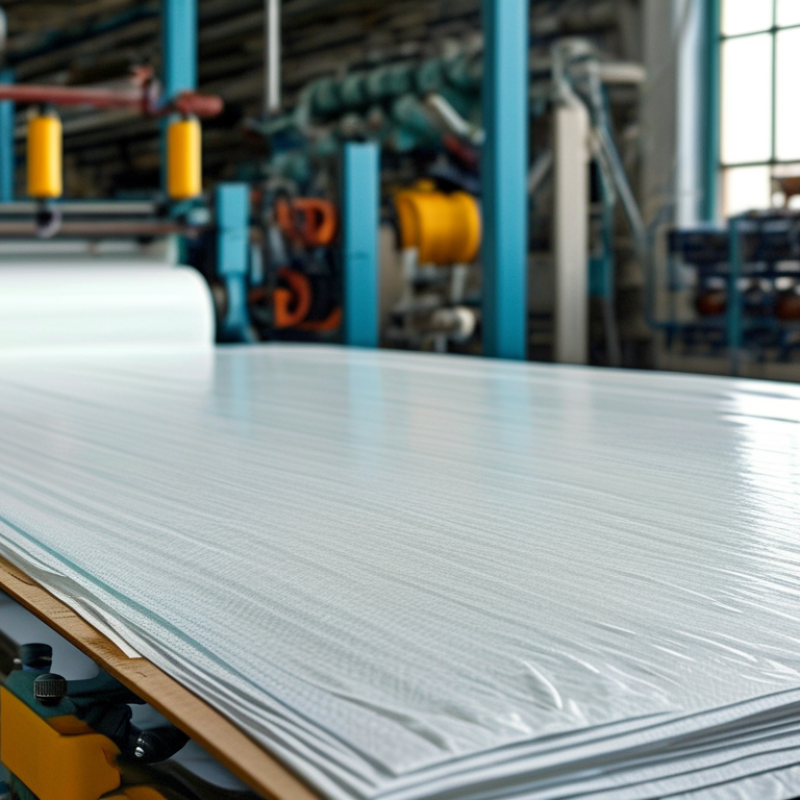
What is Spunbonded Nonwoven Fabric and Its Applications?

Definition and Characteristics of Spunbonded Nonwoven Fabric

Spunbonded nonwoven fabric is a versatile material made from continuous filaments of synthetic fibers. This fabric is produced through a process that bonds fibers together, creating a lightweight, durable sheet. The unique manufacturing technique gives spunbonded fabrics remarkable tensile strength and resistance to tearing. Research indicates that this type of fabric has a global market size projected to reach 22.7 billion USD by 2026, highlighting its increasing popularity.

These fabrics are used in various applications due to their characteristics. They are biocompatible, making them ideal for the medical sector, particularly in surgical gowns and masks. In agriculture, spunbonded fabric is frequently used as mulch films for weed control. It also finds its place in hygiene products, such as diapers and feminine care items. The nonwoven structure allows for excellent breathability while still providing protection.

Tip: When choosing spunbonded nonwoven, consider the specific requirements of your project. Look for certifications that ensure quality and safety standards. Not all spunbonded fabrics are created equal; some may not meet the necessary performance criteria for critical applications.

Another notable aspect is the environmental impact. While spunbonded fabrics are often recyclable, many end up in landfills. Reflection on sourcing and disposal methods is crucial for sustainability. Being informed about these details can lead to better choices in the long term.

Applications of Spunbonded Nonwoven Fabric

Spunbonded nonwoven fabric is utilized across various industries. This chart displays the estimated market share for different applications, highlighting its significant presence in the medical and automotive sectors.

Manufacturing Process of Spunbonded Nonwoven Fabric

The manufacturing process of spunbonded nonwoven fabric is pivotal in various industries. This type of fabric is created through a method that involves the continuous extrusion of thermoplastic fibers. These fibers are then laid out in a web-like structure before bonding, usually achieved through heat or chemical treatments. This process ensures the fabric possesses desirable qualities like strength, durability, and lightweight.

Data indicates that the global nonwoven fabrics market was valued at approximately $50 billion in 2022 and is expected to exhibit steady growth. This growth is driven by increasing demand in sectors such as healthcare and hygiene for products like surgical gowns and protective wear. The manufacturing of spunbonded fabrics plays a critical role here due to their high production efficiency and cost-effectiveness. However, there are challenges. For instance, the reliance on petroleum-based raw materials raises concerns about sustainability.

In addition to healthcare, spunbonded fabrics find applications in agriculture, automotive, and filtration. They are often used in mulch mats and geotextiles, showcasing versatility. However, the real issue lies in the environmental impact of their disposal. While spunbonded fabrics offer numerous benefits, addressing their end-of-life phase remains a pressing concern for manufacturers and consumers alike.

Key Applications in Various Industries

Spunbonded nonwoven fabric plays a crucial role in various industries due to its unique properties. This durable fabric is lightweight, breathable, and resistant to moisture. These characteristics make it an ideal choice for applications in hygiene products like diapers and feminine hygiene items. Hospitals use it for surgical gowns, masks, and bed linens, ensuring a sterile environment for patients.

The agricultural sector benefits significantly from spunbonded nonwoven fabric as well. Farmers use it for crop covers and weed control. This fabric aids in protecting plants from harsh weather while allowing water and nutrients to reach the soil. Also, the automotive industry employs it for interior components and insulation. Its versatility continues to expand across different markets.

Tips: When choosing spunbonded nonwoven fabric, consider thickness and weight. These factors influence performance. Always test materials for specific applications. Small variations can impact durability. Engaging with suppliers can offer insights on best practices and application techniques.

Advantages of Using Spunbonded Nonwoven Fabric

Spunbonded nonwoven fabric offers several advantages that make it a popular choice across various industries. Its production process involves continuous filament fibers, resulting in a lightweight and durable material. Reports show that the global nonwoven fabric market, projected to reach $45 billion by 2025, increasingly relies on spunbonded technology. This method provides excellent tensile strength, making the fabric ideal for applications such as medical supplies and hygiene products.

The fabric's breathability is a notable feature. For example, spunbonded nonwovens are used in masks, providing comfort while ensuring adequate filtration. Additionally, the material is resistant to moisture and chemicals, enhancing its function in diverse settings. However, its recyclability poses a concern. While some manufacturers are exploring eco-friendly options, the current recycling rates for nonwoven materials remain low. This issue prompts ongoing debates regarding sustainability in fabric production.

Cost-effectiveness is a significant benefit of spunbonded nonwoven fabric. Its efficient production reduces energy consumption and labor costs. Yet, companies must weigh these benefits against potential long-term environmental impacts. As the industry evolves, balancing performance with sustainability remains a critical challenge for manufacturers and consumers alike.

Future Trends in Spunbonded Nonwoven Fabric Development

The spunbonded nonwoven fabric industry is evolving rapidly. Recent data from the Nonwovens Industry Association suggests a projected growth rate of 5% annually until 2026. This growth spurs innovation in production methods and material applications, with sustainability becoming a significant focus. Many manufacturers are now exploring biodegradable alternatives, reflecting consumer demand for eco-friendly options.

One future trend involves integrating advanced technologies, like smart textiles and nanotechnology, into spunbonded fabrics. For instance, researchers have experimented with temperature-regulating fibers and antimicrobial treatments. These innovations could revolutionize industries ranging from healthcare to fashion. However, challenges persist. Cost-effectiveness and scalability of new materials require further research and investment.

Moreover, even as the market expands, the industry faces critical hurdles. Competition from traditional textiles remains fierce. Also, the need for standardized testing and quality assurance procedures is more vital than ever. Companies must prioritize environmental impact while maintaining product quality. Balancing innovation with sustainability and cost remains a complex task for industry leaders.

FAQS

: What is spunbonded nonwoven fabric?

: It is a fabric made by continuously extruding thermoplastic fibers into a web-like structure.

How is spunbonded fabric produced?

The fibers are bonded using heat or chemical treatments, ensuring durability and lightweight quality.

What industries use spunbonded nonwoven fabric?

It is used in healthcare, agriculture, automotive, and filtration applications.

What are the advantages of this fabric?

The fabric is lightweight, durable, and offers excellent tensile strength.

Why is the recyclability of spunbonded fabric a concern?

Current recycling rates are low, raising sustainability issues in its disposal process.

How do spunbonded fabrics impact the environment?

Their reliance on petroleum-based materials and disposal methods poses significant environmental challenges.

What specific products are made from spunbonded nonwoven fabric?

Common products include surgical gowns, masks, mulch mats, and geotextiles.

How does cost-effectiveness play a role in spunbonded fabrics?

Efficient production reduces costs, but long-term environmental impacts must also be considered.

Are spunbonded fabrics suitable for medical uses?

Yes, their breathability and chemical resistance make them ideal for medical supplies.

What challenges does the spunbonded fabric industry face?

Balancing performance with sustainability and addressing the end-of-life phase of the fabric.

Conclusion

Spunbonded Nonwoven Fabric is a versatile material known for its unique characteristics, including high strength, lightweight, and breathability. The manufacturing process involves the extrusion of thermoplastic filaments, which are then laid down randomly to create a fabric. This method not only enhances the fabric's durability but also allows for various customization options, making it suitable for a wide range of applications.

In industries such as healthcare, agriculture, and construction, Spunbonded Nonwoven Fabric is widely utilized for products like medical gowns, plant covers, and geotextiles. The advantages of using this fabric include cost-effectiveness, ease of production, and environmental friendliness, as it can often be made from recyclable materials. Looking ahead, the future of Spunbonded Nonwoven Fabric development appears promising, with trends indicating ongoing innovations aimed at increasing functionality and sustainability in response to evolving market demands.

Sienna

Sienna

Sienna is a skilled marketing professional with a deep expertise in our company’s core products and services. With a passion for innovation and detail, she plays a pivotal role in crafting insightful blog posts that not only highlight the unique features of our offerings but also provide valuable......