The demand for Spunbonded Nonwoven Machines has surged in recent years, driven by their pivotal role in various industries. Reports indicate that the global nonwoven fabric market is expected to reach USD 50 billion by 2027, highlighting the significance of these advanced manufacturing systems. According to Dr. Chen Li, a renowned expert in nonwovens, "Spunbonded Nonwoven Machines have revolutionized production efficiency and material properties." His insights emphasize the transformative impact of technology on this sector.
These machines are essential in producing materials used in medical, hygiene, and construction applications. Their ability to enhance product quality while reducing costs is unmatched. However, potential buyers must navigate a saturated market, ensuring they choose reliable manufacturers. Quality control remains a persistent issue among many suppliers, leading to variability in output.
Investing in a Spunbonded Nonwoven Machine is not just about purchasing equipment; it requires a thorough understanding of market dynamics. With technical advancements accelerating, continuous learning is crucial. As the industry evolves, manufacturers must adapt to changing demands and innovate to remain competitive. This landscape presents both opportunities and challenges for buyers looking to invest in high-performance machinery.
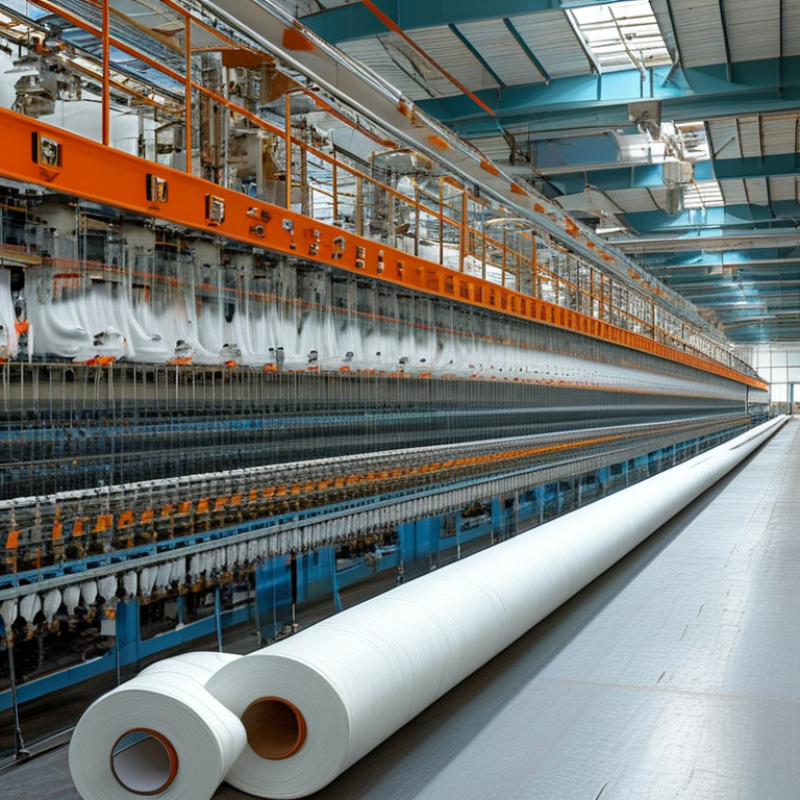
Overview of Spunbonded Nonwoven Machines in China
China has made significant advancements in spunbonded nonwoven machines. These machines are pivotal in producing nonwoven fabrics for various applications, from medical products to home textiles. The technology has evolved rapidly, enabling higher efficiency and better quality output. Many manufacturers are now leveraging automated systems to reduce labor costs and increase production rates.
One key aspect of choosing a machine is understanding the specifications. Buyers should consider factors such as production speed, fabric width, and energy consumption. These variables can greatly affect overall operational efficiency. It's essential to collaborate with experts who can guide you in making informed decisions.
Tips for buyers include conducting thorough market research before making a purchase. Compare different machines to find the one that fits your specific needs. Look for user reviews and testimonials to gauge reliability. Also, ensure the supplier provides adequate support and spare parts availability, as maintenance is crucial for sustainability in production. Keep in mind that not all machines will perform optimally in every scenario, so do not rush your choice.
Key Features to Consider When Purchasing Spunbonded Machines
When purchasing spunbonded nonwoven machines, several key features come into play. The production capacity is crucial. It determines how much output you can achieve daily. Look for machines that offer flexibility in adjusting this capacity. Versatility in producing various nonwoven fabrics can also be a game-changer for your business.
Another important factor is the automation level. Fully automated machines can save time and reduce labor costs. However, they may require higher initial investments. Consider your budget and the expected return on this investment. Additionally, the ease of maintenance cannot be overlooked. Machines that are complicated to service can lead to extended downtimes. Simplicity is often more desirable.
Energy efficiency is also essential. Machines that consume less power can significantly reduce operational costs. That can lead to better sustainability practices for your business. It's vital to weigh all these aspects carefully. While you might lean toward machines with advanced technology, remember that cutting-edge features might not suit your specific needs. Reflect on what truly aligns with your production goals and budget constraints.
Top Manufacturers of Spunbonded Nonwoven Machines in China
China has emerged as a leader in the manufacturing of spunbonded nonwoven machines. This growth has been driven by advancements in technology and an increasing demand for nonwoven fabrics. According to recent industry reports, the global nonwoven fabric market is projected to reach $50 billion by 2026, showcasing a steady growth rate. This implies a significant opportunity for manufacturers of spunbonded nonwoven machines.
Well-established manufacturers play a crucial role in this competitive landscape. These companies invest heavily in research and development. Innovations in machine efficiency and product quality significantly impact the end-user market. Many machines now offer advanced features like automation and easy maintenance. However, exploring the reliability of suppliers remains essential. Some manufacturers may prioritize speed over quality, resulting in increased defects.
Tips: When selecting a manufacturer, ensure they have a strong track record. Look for reviews and industry certifications that affirm their credibility. Attend trade shows to see machine performance first-hand.
Only a handful of manufacturers can optimize both production capacity and sustainability. The focus on eco-friendly materials is becoming increasingly important. Yet, many machines still rely on outdated practices, prompting buyers to be cautious. Investing in machines that prioritize energy efficiency can lead to long-term savings.
Top 10 Spunbonded Nonwoven Machines from China for Buyers
| Machine Model |
Production Capacity (kg/h) |
Width (mm) |
Power (kW) |
Features |
| Model A |
300 |
1600 |
200 |
High efficiency, automatic control |
| Model B |
250 |
1800 |
150 |
Eco-friendly materials |
| Model C |
500 |
2000 |
250 |
Multi-layer production |
| Model D |
400 |
1600 |
220 |
Advanced automation technology |
| Model E |
350 |
1500 |
180 |
User-friendly interface |
| Model F |
450 |
2100 |
230 |
High durability |
| Model G |
350 |
1900 |
170 |
Smart monitoring system |
| Model H |
600 |
2200 |
300 |
Energy-saving technology |
| Model I |
700 |
2400 |
350 |
Flexible operation |
| Model J |
800 |
2600 |
400 |
Cutting-edge features |
Comparing Performance and Efficiency of Leading Machines
When examining the performance and efficiency of spunbonded nonwoven machines from China, several critical factors emerge.
The latest reports indicate that production speed remains a key determinant.
High-end machines can achieve speeds of up to 300 meters per minute.
This efficiency significantly reduces operational costs for manufacturers. However, the calibration of these machines can be complex,
leading to variability in output quality.
Aside from speed, energy consumption is a vital consideration.
Studies show that the best machines consume about 20% less energy than their counterparts.
This reduction is crucial, especially as energy prices rise. Yet, achieving low energy consumption may require additional investment
in technology. Some manufacturers may overlook this, resulting in long-term operating challenges.
Furthermore, maintenance needs can impact operational efficiency.
Regular maintenance ensures machines operate at peak performance.
Neglecting this can lead to unexpected downtime and repair costs.
As industry standards evolve, manufacturers must adapt.
Balancing performance with maintenance requirements is essential for sustained success.
Investment Considerations and Market Trends for Buyers
Investing in spunbonded nonwoven machines can be a pivotal decision for buyers. Understanding the market trends is crucial. The global demand for nonwoven materials continues to rise, driven by various sectors such as hygiene, medical, and geotextiles. Buyers must consider factors like production capacity and technology advancements when making a choice. The flexibility of these machines to adapt to different materials is another key point. However, not every machine fits all production needs.
Buyers should also reflect on the long-term benefits versus initial costs. A higher upfront investment may yield better quality and efficiency. This aspect demands careful evaluation of production goals. Being aware of the evolving market can help in making informed decisions. Buyers often face the dilemma of choosing between cost-effectiveness and advanced technology. Balancing these elements is essential for sustained success in the competitive landscape. Investing wisely will lead to increased reliability and scalability in production processes.
Top 10 Spunbonded Nonwoven Machines from China
This chart displays the production capacities of the top 10 spunbonded nonwoven machines from China. The data reflects the potential investment considerations and market trends for buyers in the nonwoven industry.
Conclusion
The article "Top 10 Spunbonded Nonwoven Machines from China for Buyers" provides a comprehensive overview of the spunbonded nonwoven machine market in China. It highlights the essential features that buyers should consider, such as production capacity, energy efficiency, and technological advancements. The piece also delves into the leading manufacturers in the industry, comparing the performance and efficiency of various spunbonded nonwoven machines. Additionally, it discusses investment considerations and current market trends, helping potential buyers make informed decisions in the evolving landscape of the nonwoven fabric industry. Overall, this article serves as a valuable resource for those looking to invest in spunbonded nonwoven machines from China.

 HG NONWOVEN