Top Spunbonding Nonwoven Machine for Global Buyers?

Time:2026-07-02 Author:Aria
0%

The global demand for efficient production processes has led to a rise in the popularity of the Spunbonding Nonwoven Machine. This innovative technology is essential for producing high-quality nonwoven fabrics used in various industries. From hygiene products to automotive applications, the versatility of spunbond nonwovens makes them invaluable.

As businesses prioritize sustainability and cost-effectiveness, understanding the nuances of spunbonding is crucial. Each machine offers distinct features which can enhance productivity, yet many buyers face challenges in making informed decisions. Exploring the top options available requires careful consideration of factors such as energy efficiency, output quality, and operational support.

Navigating the market can be daunting. There is a need to evaluate not just the specifications but also the manufacturers’ credibility. A reliable supplier should demonstrate expertise and provide transparency about their technology. The journey to finding the right Spunbonding Nonwoven Machine is a process that demands attention and reflection on both current capabilities and future goals.
Top Spunbonding Nonwoven Machine for Global Buyers?

Overview of Spunbonding Nonwoven Machinery

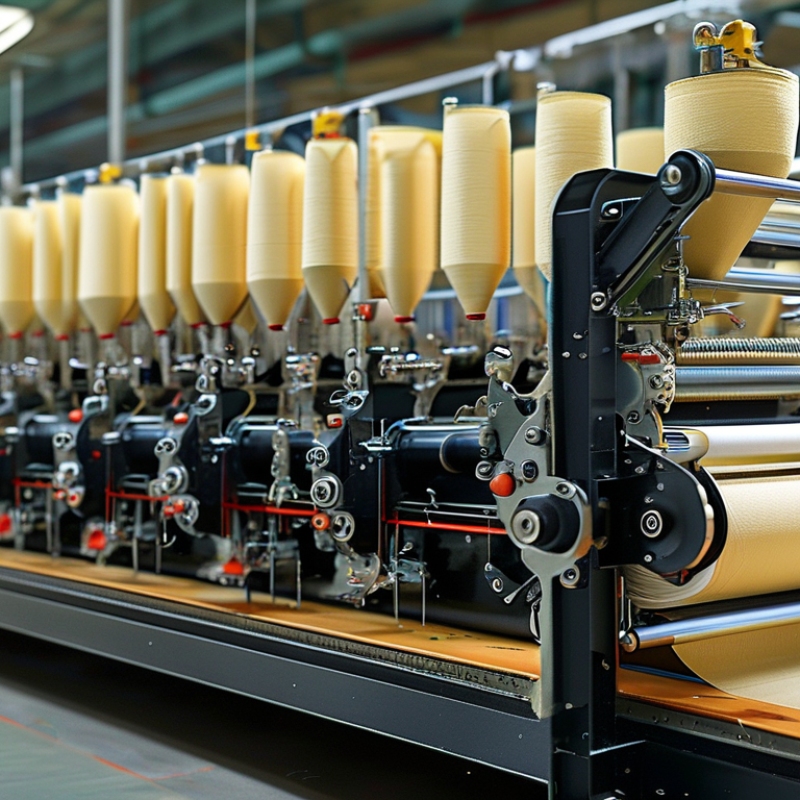
Spunbonding nonwoven machinery plays a crucial role in manufacturing various nonwoven products. These machines create fabrics by laying down fibers in a web formation and bonding them together. This process is efficient and cost-effective, appealing to various industries, including medical, automotive, and textiles.

The technology used in spunbonding has evolved significantly. Recent advancements focus on enhancing speed and quality. Many manufacturers aim for increased productivity while maintaining material integrity. This balance can be tricky, requiring constant innovation and investment in better machinery. Buyers must consider not only efficiency but also the reliability of the equipment.

Quality control is essential. Poorly manufactured machines can lead to significant waste and operational issues. Buyers should seek suppliers with a proven track record. Investing in good machinery is crucial but requires comprehensive research and assessment. Not all machines are created equal, and many variables affect performance. Therefore, analyzing user feedback and case studies can provide valuable insights for informed decision-making.

Key Features and Technologies in Spunbonding Machines

Spunbonding machines have revolutionized the production of nonwoven fabrics. These machines are known for their efficiency and versatility. Key features include high-speed operation, which makes them suitable for large production volumes. They also employ a unique process that combines polymer extrusion and filament bonding. This technique offers uniformity in fabric quality and enhances durability.

Advanced technologies in spunbonding machines allow for customization. Adjusting the temperature and pressure can impact the final product significantly. This flexibility is important for meeting diverse market needs. However, there is a challenge here. Variations in settings might lead to inconsistencies. Operators need expertise to maintain the balance between speed and quality.

Additionally, sustainability is becoming a focus. Some spunbond machines now utilize recycled materials, reducing environmental impact. Yet, integrating eco-friendly practices can increase costs. It's crucial for manufacturers to assess long-term benefits. They must weigh sustainability against financial constraints. Ultimately, understanding these nuances is key for global buyers seeking reliable solutions.

Top Manufacturers of Spunbonding Nonwoven Equipment Globally

The global market for spunbonding nonwoven equipment is evolving rapidly. Reports indicate that the market is expected to reach $6.93 billion by 2025, growing at a CAGR of 5.4%. Leading manufacturers in this sector focus on innovation, enhancing efficiency, and minimizing waste, making them key players in sustainability. Advanced technologies in spunbonding processes cater to diverse industries, including hygiene, automotive, and medical.

As the demand for nonwoven fabrics increases, manufacturers must consider the challenges. Supply chain disruptions and rising raw material costs can hinder growth. It's essential to invest in research and development to overcome these barriers. Adapting production lines to meet market needs can result in significant cost savings.

Tips: Evaluate the environmental impact of nonwoven fabric production. Incorporate recyclable materials to appeal to eco-conscious consumers. Staying informed about the latest trends and innovations will help manufacturers remain competitive and resilient in the changing market landscape.

Market Trends and Innovations in Nonwoven Fabric Production

The nonwoven fabric market is experiencing significant trends and innovations. A growing demand for sustainable products drives manufacturers to adopt eco-friendly materials. Biodegradable nonwovens are becoming popular. These materials help reduce environmental impact. This shift also reflects broader consumer preferences for sustainability.


Innovation in spunbond technology is vital. Automated systems enhance production efficiency. Companies are investing in advanced machinery to improve output quality. However, some manufacturers face challenges in keeping up with rapid changes. The need for skilled labor remains high. Investing in training can bridge this gap.


Tips: Stay updated on market trends. Regularly review industry publications for insights. Engage with professional networks to exchange ideas. Adaptation is key to success in this evolving landscape. Being flexible allows businesses to respond to shifting demands. Monitoring competitors can also inform strategic decisions and foster innovation.

Applications and Uses of Spunbonded Nonwoven Fabrics

Spunbonded nonwoven fabrics are versatile materials widely used across various industries. Their unique properties make them ideal for applications in hygiene products, medical supplies, and home textiles. In the medical field, these fabrics are essential for creating surgical masks, gowns, and drapes. Their breathability and fluid resistance ensure safety and comfort for both healthcare professionals and patients.

In the hygiene sector, spunbonded fabrics play a critical role in products like diapers and sanitary pads. The soft texture and high absorption capabilities enhance user experience. However, while these fabrics deliver remarkable performance, there are concerns regarding environmental impact. Many nonwovens are non-biodegradable, prompting a search for sustainable alternatives.

The home textile industry also benefits from spunbonded fabrics. They are used in upholstery and decorative items, providing durability and ease of maintenance. Despite the advantages, manufacturers face challenges in recycling and waste management. Continuous innovation is necessary to address these issues. The demand for eco-friendly options is growing, pushing the industry to adapt and evolve.

FAQS

: What is spunbonding nonwoven machinery?

: It is equipment that creates fabrics by laying fibers in a web and bonding them.

Why is quality control important in this industry?

Poorly made machines can cause waste and operational issues. Reliable machinery ensures better performance.

What industries use spunbonded nonwoven fabrics?

They are used in medical, hygiene, automotive, and home textiles. Each has specific needs and challenges.

How do advancements in technology affect spunbonding?

Recent innovations focus on speed and quality, helping manufacturers increase productivity and reduce waste.

What challenges do manufacturers face?

Supply chain issues and raw material costs can hinder production and growth. Adaptation is necessary.

Are spunbonded nonwoven fabrics environmentally friendly?

Many are non-biodegradable, raising concerns and prompting the search for sustainable materials and recycling solutions.

How can buyers choose the right machinery?

They should conduct comprehensive research, analyze feedback, and assess suppliers with proven success.

What roles do spunbonded fabrics play in the medical field?

These fabrics are crucial for surgical masks, gowns, and drapes, providing safety and comfort.

What do manufacturers need to consider for market competitiveness?

Staying informed about trends and incorporating recyclable materials are vital for meeting eco-conscious demands.

How is the market for spunbonding nonwoven equipment growing?

It is projected to reach $6.93 billion by 2025, highlighting the importance of innovation and sustainability.

Conclusion

The article titled "Top Spunbonding Nonwoven Machine for Global Buyers" provides a comprehensive overview of the spunbonding nonwoven machinery landscape. It highlights the key features and innovative technologies that define modern spunbonding machines, emphasizing their efficiency and versatility in fabric production. The insights into market trends illustrate how advancements in nonwoven fabric manufacturing are shaping various industries, driving the demand for high-performance spunbonding nonwoven machines.

Additionally, the article discusses the diverse applications of spunbonded nonwoven fabrics, ranging from medical to automotive sectors, showcasing their crucial role in meeting contemporary material needs. Overall, this summary encapsulates the significant developments and the future direction of spunbonding nonwoven machine technology in the global market, underscoring its importance across multiple domains.

Aria

Aria

Aria is a dedicated marketing professional with a deep passion for innovative strategies and a keen understanding of our company's product offerings. With a wealth of experience in the industry, Aria excels at crafting engaging content that highlights the unique features and benefits of our......