The evolution of the Spunmelt Nonwoven Machine market has been remarkable, with industry reports indicating a projected annual growth rate of approximately 6.5% through 2027. This growth reflects the increasing demand for innovative and efficient nonwoven products across various sectors, such as hygiene, medical, and geotextiles. As John Smith, a leading expert in nonwoven technology, states, "Understanding the nuances of Spunmelt Nonwoven Machines is crucial for manufacturers looking to stay competitive."
In evaluating the top machines available, it’s essential to consider various factors. These machines not only drive production efficiency but also affect the quality of the output. However, navigating the myriad of options available can be challenging. Many manufacturers struggle to align their specific needs with the capabilities of the machines on the market. Detailed specifications and performance metrics provide insights but can overwhelm potential buyers.
As the market evolves, so do the machines. Innovations like energy-efficient designs and enhanced fabric properties are becoming benchmarks for new models. However, it is essential to weigh these advancements against cost and operational demands. Industry professionals must critically assess what features genuinely add value. Selecting the right Spunmelt Nonwoven Machine requires a careful balance between cutting-edge technology and practical application.
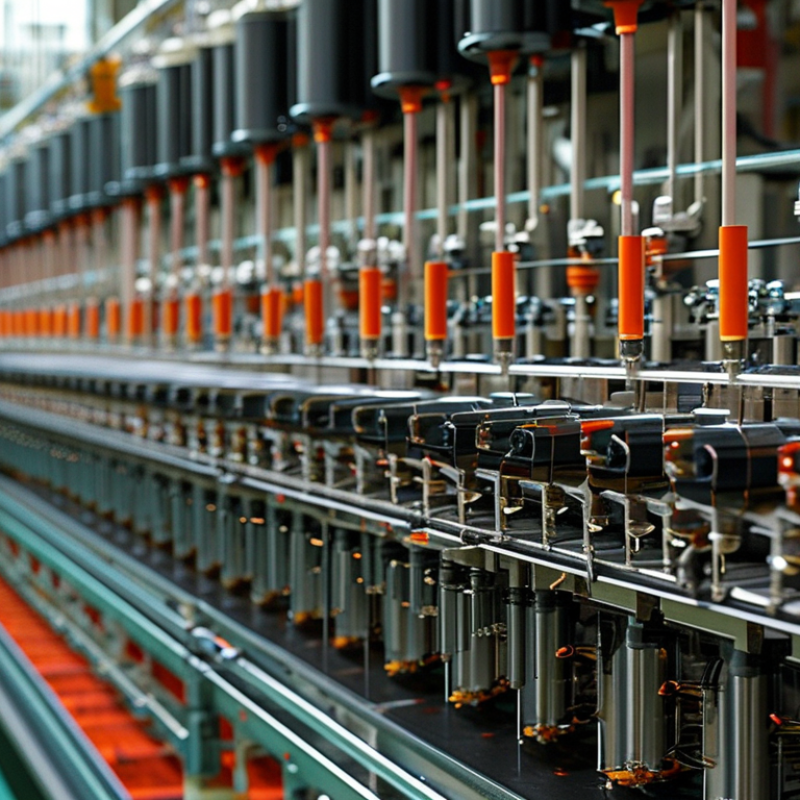
Spunmelt nonwoven technology has transformed various industries, offering efficient solutions for diverse applications. This process involves combining fibers using heat, pressure, or both, without the need for traditional weaving or knitting. It results in a lightweight, durable material suitable for several uses, including medical, hygiene, and filtration products. These fabrics can provide excellent barrier properties while remaining soft and breathable.
In medical settings, spunmelt nonwoven fabrics are vital. They are often used in surgical gowns, drapes, and masks. Their fluid-resistant qualities enhance safety for healthcare workers and patients. Yet, sourcing reliable nonwoven materials poses challenges, such as ensuring consistent quality and performance.
The hygiene market also benefits significantly from spunmelt technology. Products such as diapers and feminine hygiene items utilize these fabrics for comfort and absorbency. Although these materials effectively meet consumer demands, manufacturers must continually innovate. Balancing cost and performance is often challenging. Addressing these issues requires a deep understanding of material science and market needs.
: Focus on machine efficiency, production speed, and application versatility. Efficiency impacts output and quality.
Some machines can achieve speeds up to 1,200 meters per minute. This can significantly boost production.
Machines that handle various polymers can create a range of products, from medical to industrial applications.
Regular maintenance is crucial for longevity and performance. Neglect can lead to costly downtimes.
The market is expected to grow over 6% annually due to rising demands in healthcare and hygiene sectors.
Balancing performance with sustainability and energy consumption is a major challenge for many manufacturers.
They enhance operational efficiency through real-time analytics, but they also introduce potential vulnerabilities.
Reliable support is essential. Without it, even high-performing machines may not reach their potential.
Yes, AI can improve efficiency, but it can also expose companies to cyber threats if not managed carefully.
The article "Top 5 Spunmelt Nonwoven Machines You Should Consider" provides a comprehensive overview of spunmelt nonwoven technology and its diverse applications in various industries. It begins by shedding light on the fundamentals of spunmelt nonwoven technology, discussing its significance and versatility in producing nonwoven fabrics. The article then outlines the essential criteria for selecting high-quality Spunmelt Nonwoven Machines, emphasizing aspects such as efficiency, reliability, and technological advancements.
Furthermore, the article presents a detailed overview of the top five Spunmelt Nonwoven Machines, highlighting their features and benefits. It also explores key manufacturers in the market that lead the field in innovation and quality. Finally, the article looks ahead to future trends in spunmelt nonwoven machinery, discussing the potential for innovation and advancements that could shape the industry.

 HG NONWOVEN