As global demand for non-woven fabrics grows, the importance of efficient manufacturing will only increase. The SS Non Woven Fabric Machine has become essential for many industries. These machines enable manufacturers to produce high-quality fabrics at scale.
In recent years, advancements in technology have improved the performance of SS Non Woven Fabric Machines. However, not every machine on the market meets the required standards. Buyers now face the challenge of selecting the right equipment for their needs. Some machines may lack durability or efficiency, which can lead to wasted resources.
It's essential to consider the features and reliability of these machines. Users should focus on reputable brands known for their innovation and performance. This diligent approach can greatly influence production efficiency and product quality. In an evolving market, staying informed about the best options is crucial.
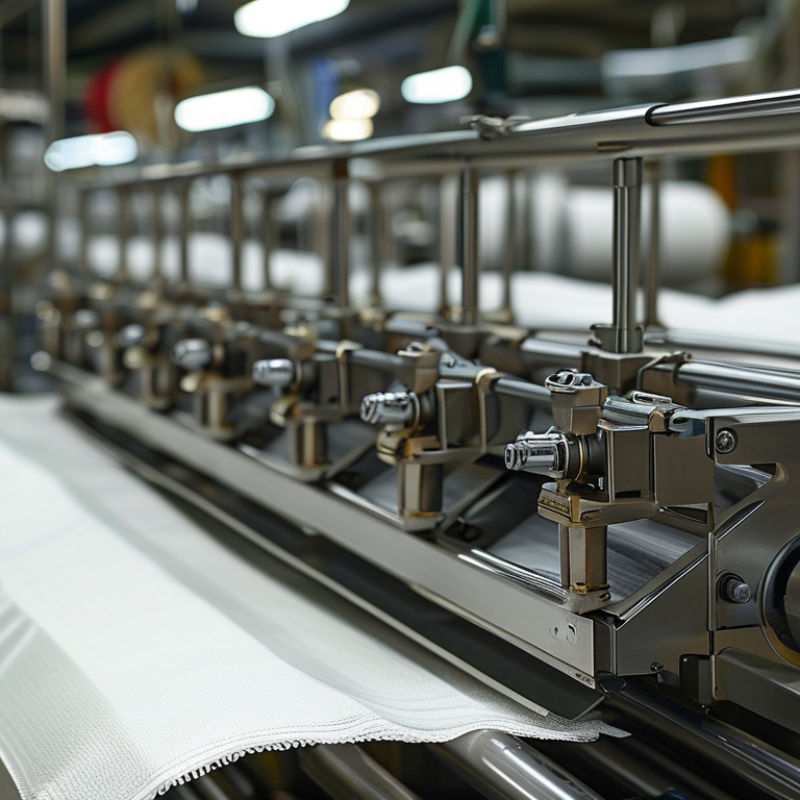
The market for SS non-woven fabric machines is rapidly expanding. Global manufacturers are investing in innovative technologies to enhance production efficiency. According to recent industry reports, the global non-woven fabric market is expected to reach $60 billion by 2025. This surge is fueled by increasing demand across sectors such as healthcare, automotive, and hygiene.
Key players are focusing on automation and sustainability. For instance, advanced machinery enables higher throughput while reducing waste. However, not all manufacturers adopt these practices, leading to inconsistencies in quality. Reports indicate that only 30% of the fabric machines utilize eco-friendly materials, highlighting a significant gap in the industry.
Moreover, as competition intensifies, price pressures mount. Some manufacturers compromise on quality to cut costs. This trend raises concerns about sustainability and product reliability. Buyers should critically assess machine specifications and supplier reputations. A well-informed choice can mitigate risks in an increasingly complex market.
When selecting SS non-woven fabric machines, a few key features play a vital role. Firstly, production speed is essential. The industry standard indicates that high-efficiency machines can produce up to 300 meters per minute. This speed significantly impacts output, especially in high-demand scenarios. However, balancing speed with quality is often overlooked. Machines that rush production may compromise fabric strength, leading to higher rejection rates.
Another critical factor is versatility. Many buyers require machines capable of producing various fabric types, from spunbond to meltblown. Statistics from industry reports suggest that 55% of manufacturers prioritize flexibility in their machinery. This adaptability allows for better response to market changes. Yet, machines with extensive features may have a steeper learning curve, leaving operators struggling initially.
Energy efficiency should not be neglected either. Reports reveal that energy costs can constitute around 20% of overall operating expenses for manufacturers. Choosing machines that require lower energy inputs can lead to significant savings. However, the trade-off may be in the upfront investment costs. Understanding the long-term benefits against initial expenses is crucial for making informed purchasing decisions.
| Machine Type | Production Capacity (kg/h) | Fabric Width (cm) | Power Consumption (kW) | Key Features | Price Range (USD) |
|---|---|---|---|---|---|
| Single Beam Spunbond | 100 | 160 | 90 | High Efficiency, Low Maintenance | 15,000 - 25,000 |
| Double Beam Spunbond | 200 | 250 | 120 | High Output, Versatile Applications | 30,000 - 50,000 |
| SS Meltblown | 150 | 100 | 75 | Fine Filtration, Compact Design | 20,000 - 35,000 |
| Combined Spunbond & Meltblown | 250 | 300 | 200 | High Versatility, Multi-layer Production | 50,000 - 75,000 |
SS non-woven fabrics have emerged as critical materials across various industries. These fabrics are lightweight, breathable, and economically viable. They are widely used in hygiene products, including diapers and sanitary pads. According to a recent market report, the global non-woven fabric market is projected to reach USD 52 billion by 2025, highlighting its significant growth.
In the medical sector, SS non-woven fabrics play a pivotal role. They are utilized in surgical gowns, masks, and disposable bed sheets. The impermeable nature of these fabrics ensures higher levels of infection control. Furthermore, they are easy to dispose of, which meets health regulations effectively. The healthcare industry has seen a surge in demand, particularly during recent global health crises.
Moreover, the automotive industry increasingly adopts these materials. SS non-woven fabrics are now found in car interiors for sound insulation and seat covers. Their lightweight design contributes to improving fuel efficiency. While the application of these fabrics is growing, challenges remain. Issues such as recycling and environmental impact need careful consideration. Manufacturers must innovate to ensure sustainability while meeting rising demand.
In the world of non-woven fabric production, choosing the right SS non-woven fabric machine is crucial. Many factors impact performance and efficiency. When comparing these machines, aspects like speed, durability, and ease of maintenance stand out.
Some machines provide high-speed operation but may sacrifice durability. This trade-off can lead to frequent repairs and downtime, impacting overall productivity. On the other hand, more robust machines may operate at lower speeds, which can limit output. Analyzing these factors helps buyers make informed decisions.
Market research indicates that many users face issues with machine setup. Complexity can result in longer training periods for staff. User-friendly machines can enhance productivity, bolstering operational efficiency. Additionally, considering energy consumption is essential. Machines that are energy-efficient can reduce long-term operational costs, making them more appealing to global buyers.
The landscape of SS non-woven fabric manufacturing is evolving rapidly. According to a recent market report by Smithers Pira, the non-woven fabric market could grow to $58.7 billion by 2024, driven by rising demand in hygiene products and medical applications. This growth reflects the necessity for efficient manufacturing technologies that adapt to market needs.
Innovative manufacturing processes are on the rise. The integration of automation and AI technology enhances production efficiency. Many manufacturers are transitioning from traditional methods to advanced ones that reduce waste and increase output. A notable trend is the use of Spunbond and Meltblown processes. These processes allow for finer fibers and improved fabric strength, which are crucial for applications in personal protective equipment.
While these advancements are promising, challenges remain. Many manufacturers face supply chain issues and fluctuating raw material costs. Additionally, some production methods may not support sustainability goals. This aspect requires scrutiny as industries move towards eco-friendly solutions. Future manufacturers must balance efficiency with environmental responsibility. Adapting to these imperatives is essential for long-term success.
: The demand is increasing because of their uses in healthcare, automotive, and hygiene sectors.
Buyers should evaluate production speed, versatility, and energy efficiency before making a decision.
High-efficiency machines can produce up to 300 meters of fabric per minute.
Manufacturers struggle with quality consistency due to competition and cost-cutting measures.
Energy costs account for about 20% of overall expenses, making efficiency crucial for savings.
They are essential for surgical gowns, masks, and disposable bed sheets due to their infection control properties.
Issues related to recycling and their environmental impact remain significant challenges in the industry.
No, only about 30% use eco-friendly materials, indicating a gap in environmentally responsible production.
Yes, prioritizing speed may compromise fabric strength, leading to higher rejection rates.
The initial investment costs for energy-efficient machines may be higher, but long-term savings can be significant.
The article titled "Top SS Non Woven Fabric Machine for Global Buyers Today?" provides a comprehensive overview of the essential aspects related to SS Non Woven Fabric Machines. It discusses prominent global manufacturers of these machines and highlights key features that buyers should consider when selecting a suitable option. The article further explores the diverse applications of SS non woven fabrics across various industries, demonstrating their versatility and vital role in modern manufacturing.
Moreover, a comparative analysis of leading SS Non Woven Fabric Machines is presented, allowing potential buyers to make informed decisions. The article concludes with insights into future trends in SS non woven fabric manufacturing technology, emphasizing the continuous innovation in this field. This summary encapsulates the critical components necessary for understanding the importance and evolution of SS Non Woven Fabric Machines in today's market.
HG NONWOVEN