Investing in a Spunbond Non Woven Machine can strengthen a manufacturer’s position in a competitive materials market. This equipment converts polymer granules into continuous filaments and bonded fabric. The process supports applications in hygiene products, medical packaging, agriculture, construction, and household goods. Demand is not enough reason to purchase. A practical investment must match product specifications, production volume, available space, and operator skills.
Modern machines can improve output consistency and reduce manual handling. Automated temperature control helps maintain stable filament formation. Precise stretching systems support uniform fabric strength and weight. Energy-saving components may also lower operating costs over time. However, performance depends on more than machine design. Resin quality, maintenance habits, airflow, and technician training influence daily results. Small errors can appear as uneven thickness, weak bonding, or excessive waste. These details matter.
Experienced buyers usually examine supplier documentation, trial samples, spare-part access, and after-sales support. They also compare line speed with realistic production targets, rather than relying on impressive specifications. A machine running at maximum speed may not deliver the best commercial result. That distinction is often overlooked. Installation records, inspection procedures, and maintenance schedules provide stronger evidence than promotional claims. Reliable manufacturers should explain limitations clearly and offer measurable acceptance standards. The decision is not flawless. Some forecasts will be wrong. Still, careful evaluation can reduce financial risk and create a more dependable production foundation. This article explores the main reasons to invest, the expected benefits, and the practical questions buyers should ask before committing capital.
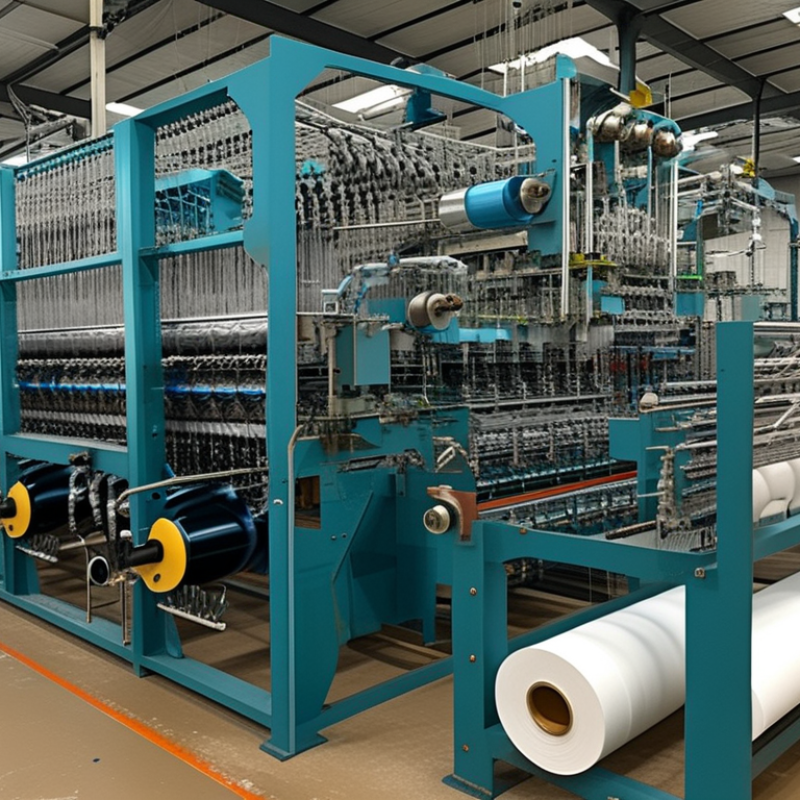
A spunbond nonwoven machine produces continuous fabric from thermoplastic polymer granules. The process begins with melting the polymer in an extruder. A spinning system then forms fine, endless filaments. Airflow stretches and cools them before they settle on a moving belt. A bonding unit uses heat and pressure to create a stable sheet.
This equipment can produce consistent rolls for hygiene products, medical textiles, agriculture covers, packaging, and filtration layers. Production settings control fabric weight, width, strength, and surface texture. In practical factory evaluations, operators often focus on temperature stability, web uniformity, energy use, and maintenance access. These details affect daily output more than impressive brochure figures. A machine may look efficient, yet poor airflow control can create thin spots. That problem is easy to overlook.
Tips: Check the extruder, spinneret, cooling system, and bonding section as one process. Ask for measured data, not only estimated capacity. Inspect sample fabric under strong light. Small variations become expensive at scale. Plan operator training and spare-part storage before installation. Also review local safety, waste-handling, and textile requirements. Good documentation supports reliable production, but it cannot replace skilled adjustment. Even experienced teams should test several polymer grades carefully.ვია
It converts polymer granules into continuous fabric at industrial speed. This can reduce supplier dependence and improve delivery control. The biggest benefit is often stable production, not maximum speed.
It can maintain repeatable roll widths, fabric weights, and output volumes. Operators must control temperature, airflow, and web formation carefully. Small adjustments matter.
It may lower unit costs when the line operates at high utilization. Energy consumption, maintenance, labor, waste, and idle time affect the result. Cheap operation is not automatic.
Check GSM variation, tensile strength, fiber uniformity, and continuous running speed. Review downtime records, changeover time, spare-part access, and training requirements. Test real rolls, not only showroom samples.
Include equipment, installation, utilities, labor, electricity, maintenance, waste, financing, and working capital. Also include spare parts and operator training. Small omissions become expensive.
Build a three-year model using realistic selling prices and production volumes. Reduce expected prices by 10 percent and increase downtime by 15 percent. If the project survives, the estimate is stronger.
Different fabric weights may support packaging, hygiene, agriculture, and construction uses. Each application may require different strength, cleanliness, or compliance checks. Versatility needs preparation.
Poor maintenance, unstable power, high humidity, weak training, and unplanned changeovers can create defects. Off-specification rolls may consume material without generating useful revenue. That risk is easy to underestimate.
No. Production usually grows unevenly during installation, training, and process adjustment. A careful plan should allow ramp-up delays and temporary waste. The forecast may still be wrong.
A Spunbond Non Woven Machine is a production system that transforms polymer materials into continuous, bonded fabric through extrusion, fiber formation, web laying, and thermal bonding. The process creates lightweight, strong, breathable, and customizable nonwoven materials with efficient, consistent output. Depending on the configuration, manufacturers can adjust fabric weight, width, strength, softness, and other performance characteristics to meet different application requirements.
Spunbond nonwoven materials are widely used in hygiene products, medical and protective supplies, agriculture, packaging, construction, furniture, filtration, and household goods. Investing in this type of equipment can help businesses improve production efficiency, reduce reliance on external suppliers, and respond flexibly to changing market demand. Buyers should evaluate machine stability, automation, energy consumption, material compatibility, maintenance requirements, production capacity, and after-sales technical support. A reliable investment should balance purchase cost with long-term productivity, product quality, operating expenses, and expected return on investment.

 HG NONWOVEN