In the field of high-performance polymer extrusion, chemical fiber production, and nonwoven fabric manufacturing, melt filtration stands as the ultimate barrier to ensure output quality and process continuity. Often designated as "Candle Filters" due to their cylindrical, pleated geometries resembling traditional wax candles, these high-precision components are engineered to withstand extreme pressures and thermal loads. They act as the primary filter medium within spin packs and melt channel assemblies, preventing microscopic contaminants, gels, and agglomerated polymers from reaching critical spinneret orifices.
“Without high-integrity filtration, microscopic polymer degradation products can cause instantaneous spinneret clogging, resulting in costly filament breakages, spinning non-uniformity, and unscheduled production downtimes.”
For operations utilizing spunbond and meltblown technologies (such as S, SS, SMS, and SMMS configurations), the efficiency of the polymer melt filter directly correlates with the physical metrics of the output roll. High mechanical strength, precise pore size distribution, and low differential pressure drops are the basic criteria for any competitive filtration device. Modern candle filters achieve these standards through advanced multi-layered metal wire meshes sinter-bonded with deep-bed metallic fiber fleeces.
The global filtration market is undergoing a significant transformation, driven by the push towards circular economies, biodegradable materials (such as PLA), and the automation of heavy industrial plants. Here, we outline the primary technological trajectories defining the next generation of candle filter manufacturing:
By using highly engineered pleat profiles, manufacturers can increase the effective filtration area by up to 300% within the exact same structural footprint. This design yields lower initial clean pressure drops (ΔP) and vastly extends the lifespan of the filter element between cleaning cycles.
Leveraging sintered metal fiber web (primarily AISI 316L) backed by fine mesh layers and coarse protective screen structures allows the candle filter to capture both soft gel particles and rigid inorganic impurities without structural collapse.
With operational melt temperatures frequently exceeding 280°C and operating pressures reaching up to 250 bars, candle filters from leading Chinese manufacturers utilize specialized alloys that resist thermal oxidation and acid/alkali corrosion.
For multinational buyers, procuring candle filters and spin pack elements is not merely about finding the lowest unit price. It involves mitigating risk across the entire operational chain. Global enterprises demand: 1. Traceability of Materials: Assurances that the steel alloys are certified and do not degrade under chemical cleanings (e.g., pyrolysis or solvent cleaning). 2. Repeatable Filtration Efficiency: Strict tolerances on micro-ratings, ensuring that nominal and absolute ratings are verified via bubble-point tests. 3. Seamless retrofitting: Exact dimensional tolerance control to avoid leakages at the seat rings when installing filters inside old housing structures.
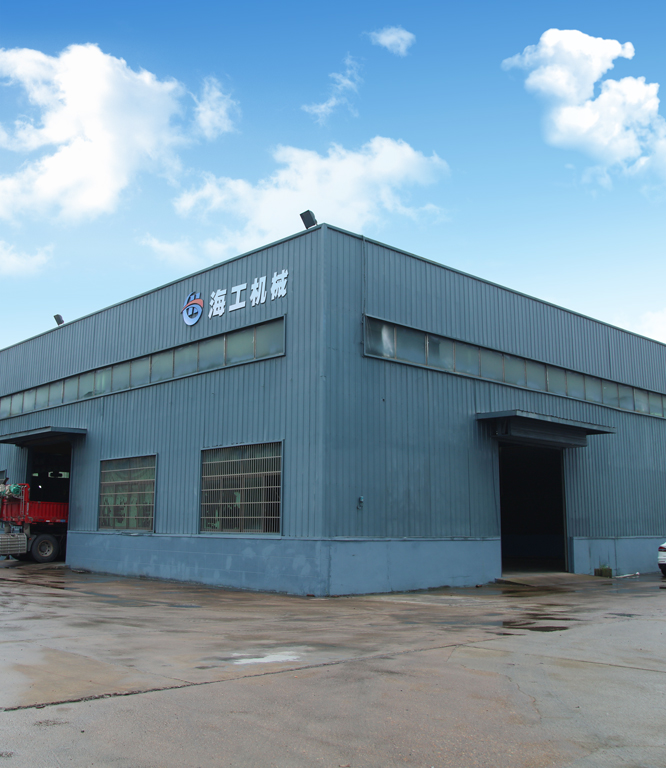
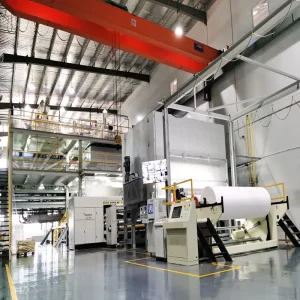
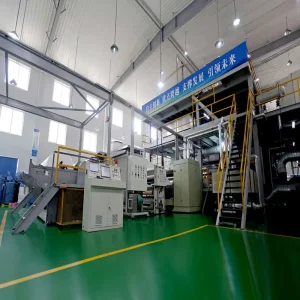
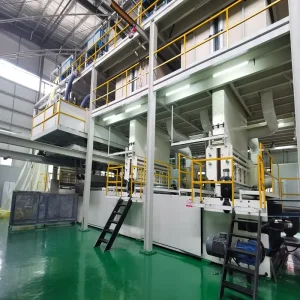
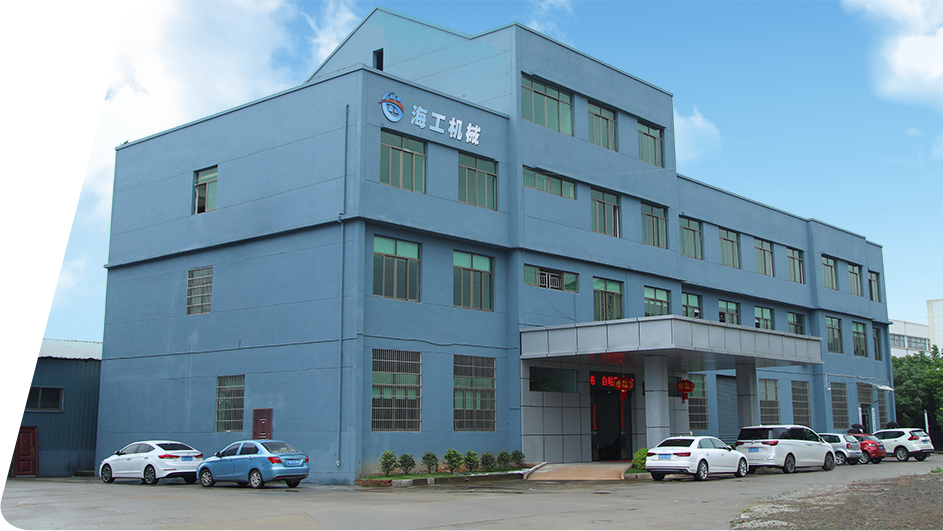
China's industrial manufacturing ecosystem has shifted from a volume-based supplier to an innovation-led hub. By implementing "Factory 4.0" automation protocols, Chinese factories integrate advanced robotic welding, laser-cutting of pleated cartridges, and automatic bubble point testers directly onto the production lines. This level of process integration guarantees that every single candle filter leaving the facility complies with international standards, such as ISO 9001 and CE certifications.
Furthermore, China's complete localized supply chain for raw metals and structural steel shields global buyers from geopolitical raw-material shocks. HG Nonwoven Machinery partners with premium domestic and international steel suppliers to guarantee a steady, uninterrupted flow of top-tier components, offering consistent lead times even under unstable market dynamics.
Our integration of overseas design concepts with domestic manufacturing efficiency creates a robust platform for customized high-performance spinning lines.
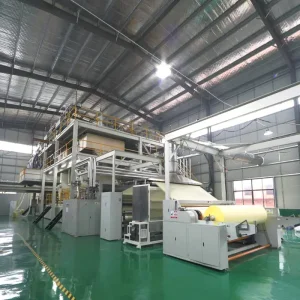
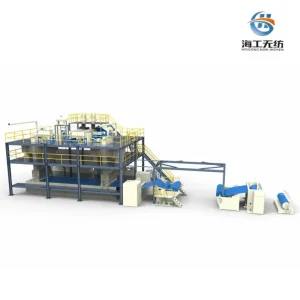
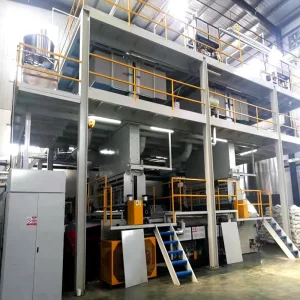
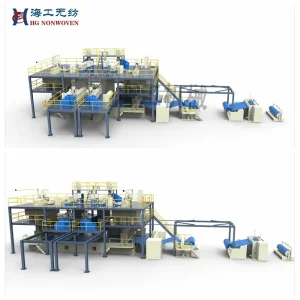
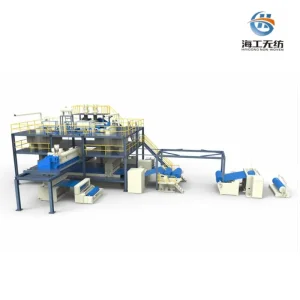
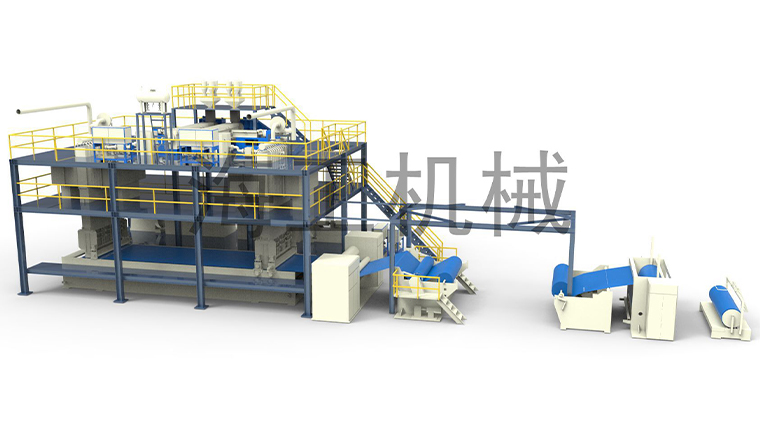
Pujiang HG Nonwoven Machinery (HG Nonwoven Machinery) is a well-known nonwoven fabric making machine manufacturer since 2014, which specializes in manufacturing PP spunbond and meltblown nonwoven fabric making machines with complete turnkey engineering services. Our core focus lies in producing high-performance, eco-friendly, and biodegradable spunbonded nonwoven fabrics.
We introduced the advanced design concept of the 5th Generation spunbond spinning technology from overseas, integrating it with our autonomous R&D efforts to match the dynamic needs of the global market. Consequently, HG nonwoven fabric making machines are characterized by convenient operation, small space requirements, low power consumption, high efficiency, and low overall production costs.
Our company regards "high quality, good service" as our core tenet. By choosing us, you gain a reliable partner committed to helping you stand out in a competitive market. Contact us today to learn more about how to produce nonwoven fabrics economically, reliably, and sustainably.
Packaging nonwoven bags, furniture use, agricultural field.
View More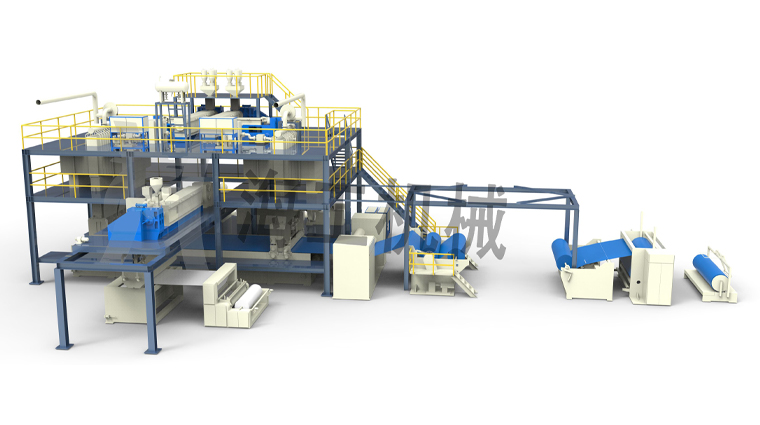
Medical use and hygiene health care applications.
View More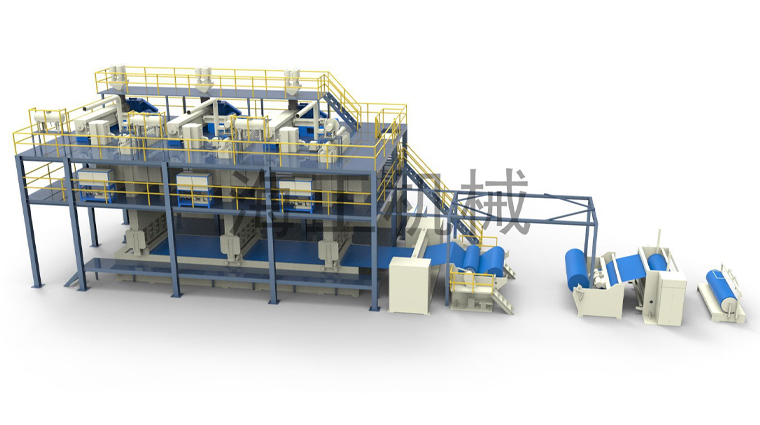
4 layers fabric have a higher filtration efficiency compared with SMS fabric.
View More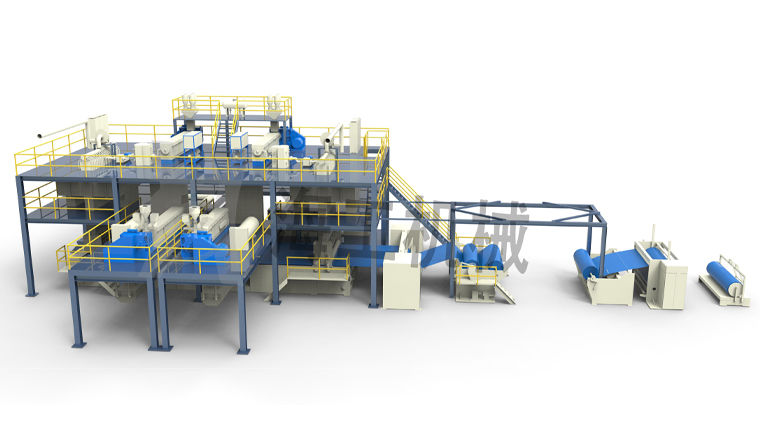
Excellent Barrier Properties and good performance in softness and comfort.
View MoreBefore initiating a nonwoven production project, it is essential to align your machinery specifications with the end-market demands. With deep expertise across diverse sectors, HG Nonwoven Machinery guides you through selecting the most suitable production line to reduce costs, save time, and overcome operational challenges.

Nonwoven fabric is essential in the hygiene sector, offering breathability, softness, and excellent fluid management for comfort and protection. It quickly absorbs liquid and keeps it away from the skin, making it ideal for diapers, incontinence pads, and feminine hygiene products.

Providing high barrier resistance against biological agents, medical nonwovens are crucial for surgical gowns, face masks, sterile sheets, and surgical drapes, combining effective filtration, infection prevention, and user comfort.
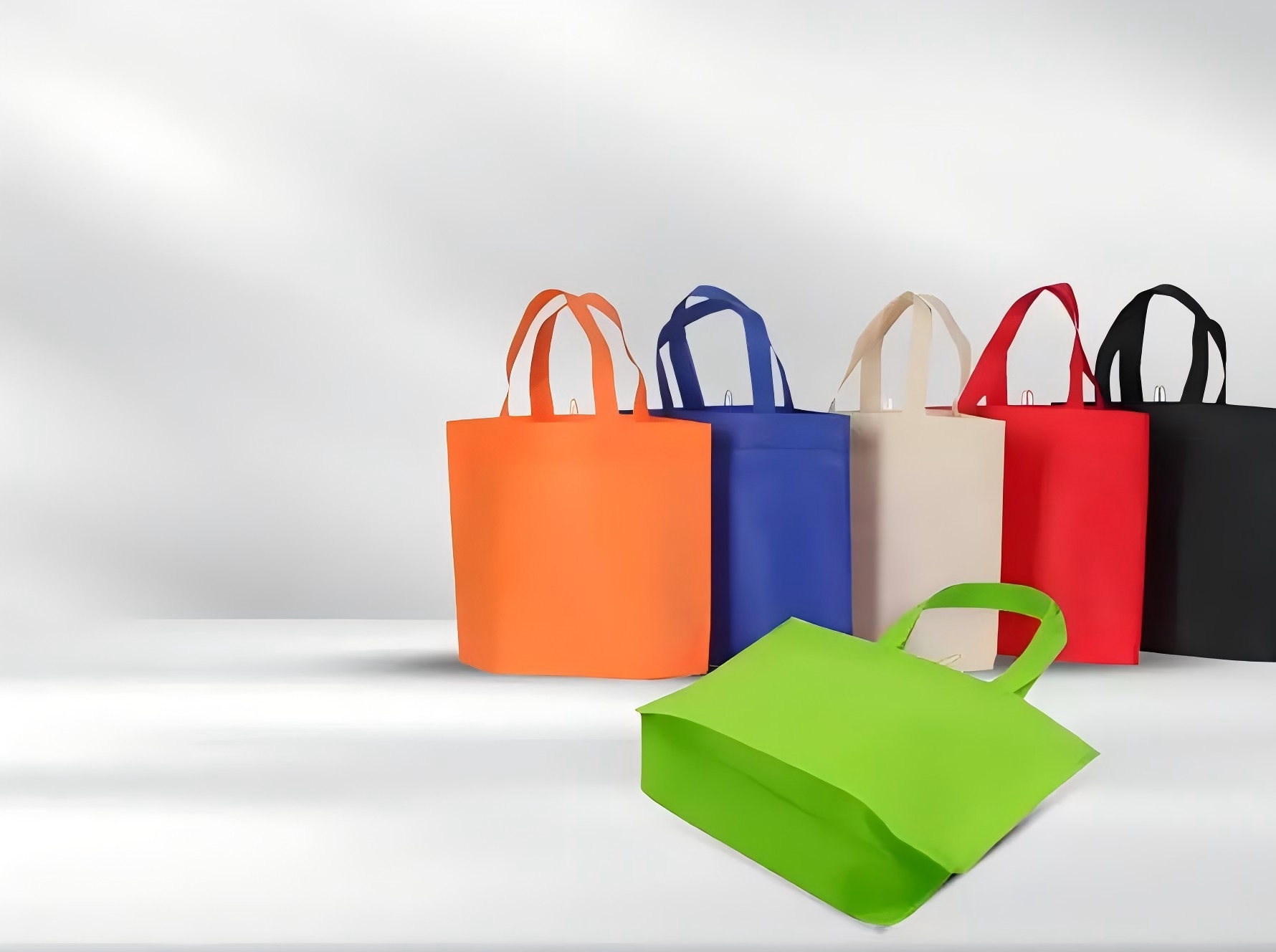
Known for being lightweight and robust, nonwoven fabrics minimize storage and shipping energy. Widely used for eco-friendly shopping bags, pocket springs, garment interlining, and protective wraps for cosmetics and electronics.

These fabrics allow water and air transmission while creating microclimates to protect crops from frost, insects, and birds. Engineered with UV stabilizers to balance heat protection and air permeability effectively.
To assist technical directors and purchasing managers, our chief engineering team answers the most critical queries regarding candle filter performance, maintenance, and customization:
Candle filters utilize pleated cylindrical configurations which provide up to 5-10 times the filtration surface area of a flat disc within the same housing diameter. This significantly reduces melt velocity through the media, lowering shear stress, preventing gel deformation (which would otherwise pass through), reducing initial pressure drop, and extending the continuous operational life of the spin packs.
Sintered metal fiber fleece (nonwoven metal structure) offers high porosity (up to 80%) and deep-bed filtration, making it ideal for removing deformable gel particles in meltblown lines. Sintered wire mesh features rigid, defined pore sizes, excellent mechanical stability, and ease of cleaning, making it highly suitable as a surface filter for PP spunbond lines.
Standard industrial cleaning processes include thermal pyrolysis (vacuum pyrolysis ovens) to burn off organic polymers without affecting metallurgical properties, followed by ultrasonic bath treatments using special solvents to remove inorganic ash. Acid washing or high-pressure water jetting can also be applied based on the chemical nature of the impurities.
All connecting flanges and thread interfaces of our candle filters and spin packs undergo precision CNC machining. We utilize specialized copper, aluminum, or silver-coated gaskets that expand slightly under operating temperatures (280°C - 300°C), sealing any micro-gaps and preventing bypass leakage at operating pressures exceeding 200 bar.
 HG NONWOVEN