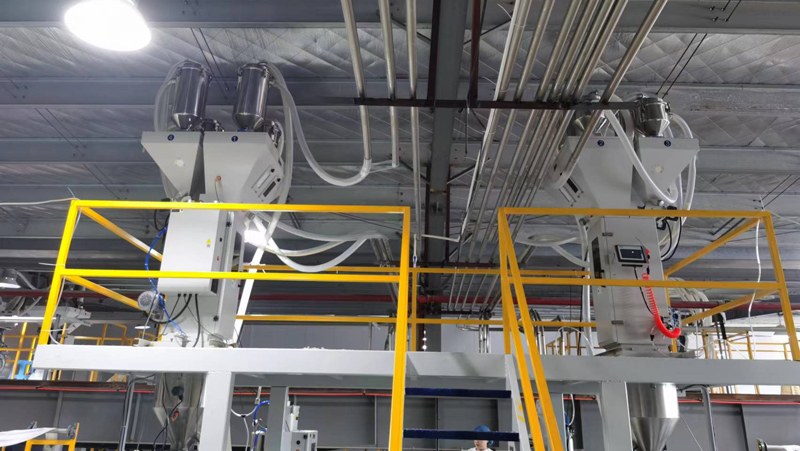
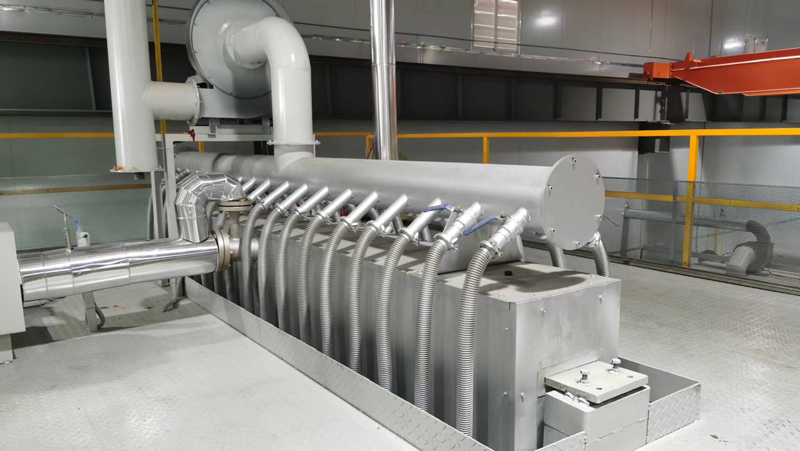
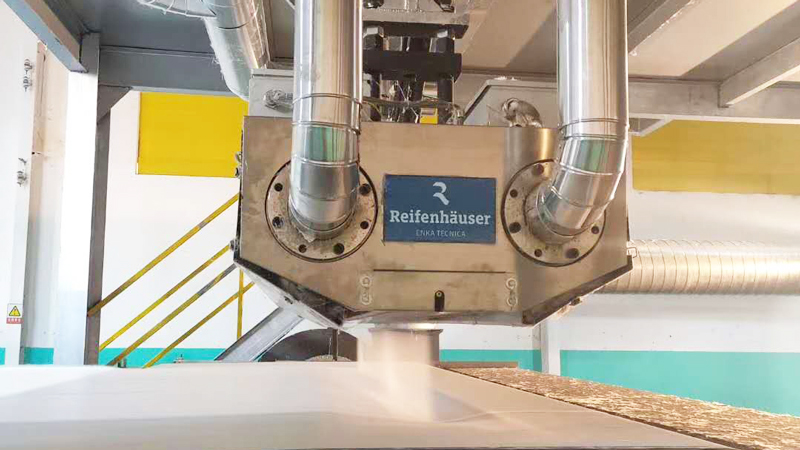
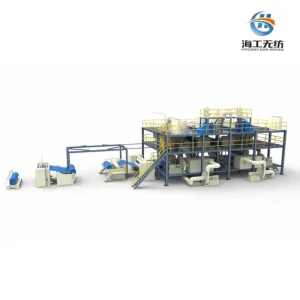
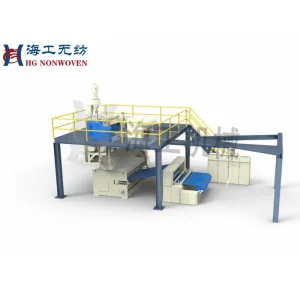
Explore our core high-performance machinery built with advanced drafting tech, ensuring minimal energy loss and optimized fiber web density.
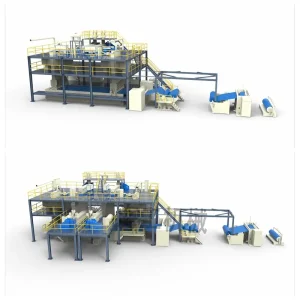
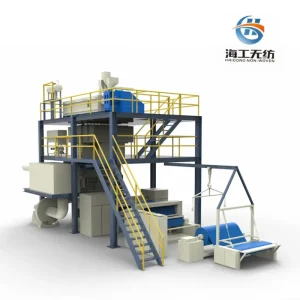
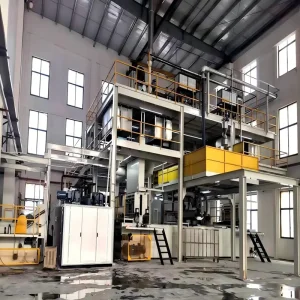
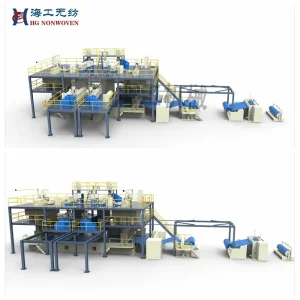
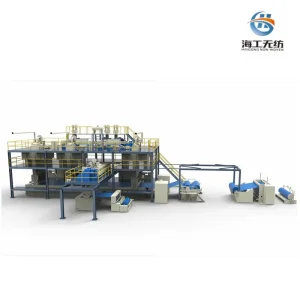
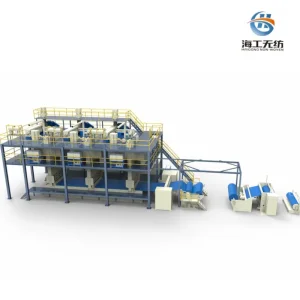
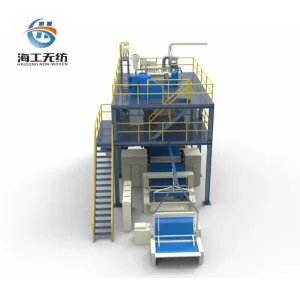
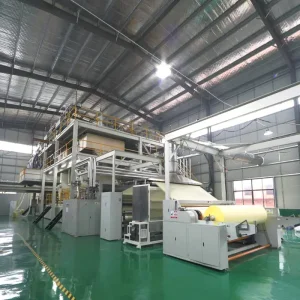
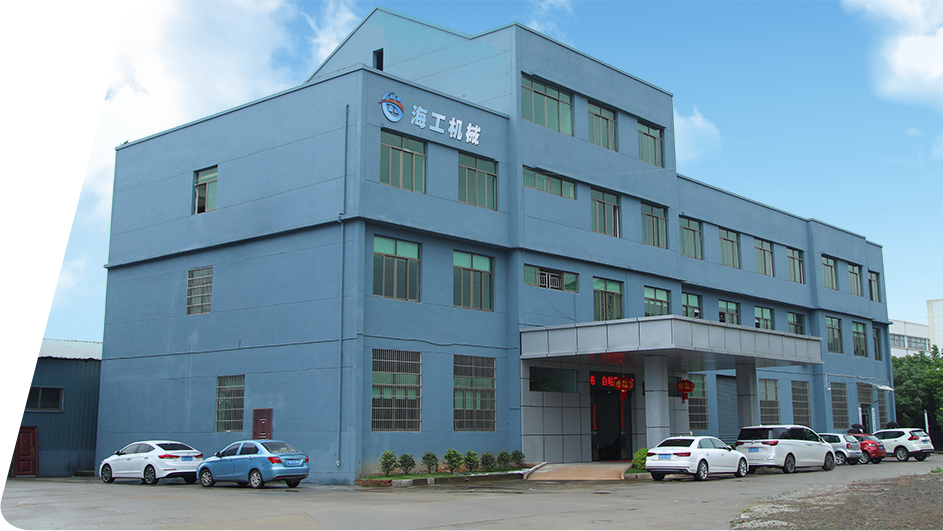
Founded in 2014, Pujiang HG Nonwoven Machinery Co., Ltd. has established itself as an authoritative leader in the production of spunbond, meltblown, and composite nonwoven fabric machinery. We introduce advanced overseas design methodologies, combining them with proprietary technological innovations to deliver our proprietary 5th Generation Spunbond Spinning Technology.
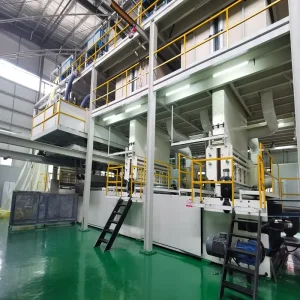
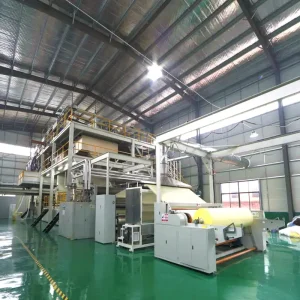
Designed with operations optimization in mind, our equipment occupies smaller floor dimensions, reduces overall electrical load demands by up to 20%, and boosts raw-material yield conversion metrics. Our machine architectures are built to assist global manufacturing facilities in achieving rapid payback periods via robust structural engineering and easy-to-operate process control centers.
Understanding the macroeconomic trends, energy efficiency demands, and supply chain shifts defining modern technical textile manufacturing.
The global nonwoven fabric sector is undergoing a massive structural transformation. According to international technical textile data, the demand for nonwoven substrates in medical, hygiene, filtration, and automotive segments is projected to expand at a compound annual growth rate (CAGR) of over 6.5%. The market is transitioning from simple, single-beam Spunbond structures (S) toward highly sophisticated multi-beam composite configurations, such as SMS, SMMS, and SSMMS. These configurations layer high-loft spunbond filaments for structural strength and micro-fine meltblown webs for liquid barrier and sub-micron particle filtration capabilities.
To capture this growth, manufacturers require highly modular machinery that can adapt to changing polymer formulations, including high-flow polypropylene, polyamides, and bio-polyester (PLA) resins. China’s nonwoven machinery sector, led by innovative manufacturers like HG Nonwoven Machinery, has bridged the technological gap by providing world-class spinning lines that rival European platforms at highly optimized capital expenditures.
Environmental regulations and consumer preferences are steering the industry toward circular manufacturing principles. Conventional polypropylene (PP) nonwovens remain the benchmark for disposable hygiene products, but there is an aggressive push for biodegradable alternatives. Machinery designed for the next decade must be capable of processing PLA (Polylactic Acid), PBS (Polybutylene Succinate), and recycled PET (rPET) without suffering melt degradation or spinneret clogging.
HG Nonwoven Machinery’s 5th generation platforms are designed with customized extruder heating profiles and specialized screw geometries that manage the narrow processing temperature windows of biodegradable polyesters. This allows factory operators to seamlessly pivot between classic PP and eco-friendly biopolymer runs, protecting long-term capital investments.
Operating a high-capacity nonwoven line is energy-intensive. Heating extruders, running high-pressure air compressors for drafting, and driving vacuum extraction systems require significant electric loads. In standard configurations, utility costs can comprise up to 30% of the ongoing manufacturing overhead. HG Nonwoven Machinery address this via:
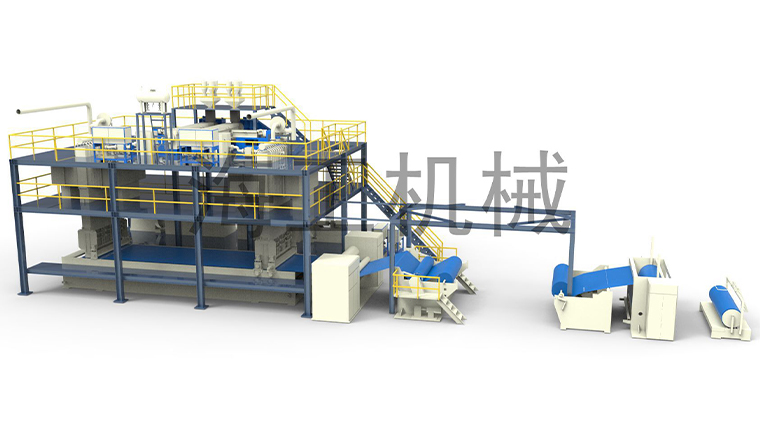
Engineered for lightweight packaging rolls, shopping bag substrates, pocket springs, and agricultural protective covers. Highly economical.
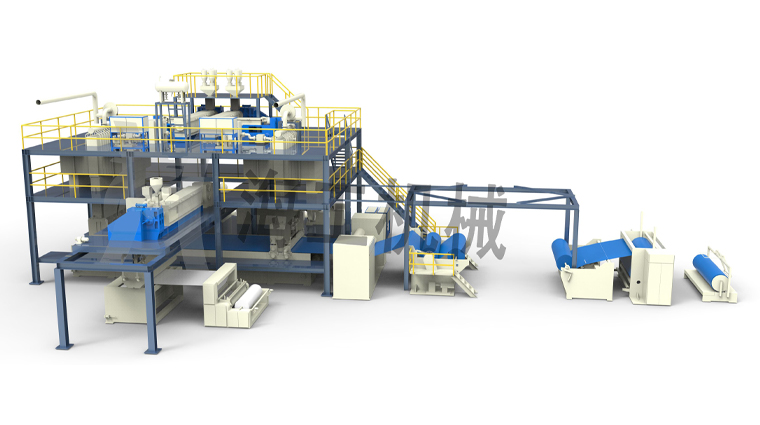
Designed for medical-grade isolation gowns, surgical face mask backings, and sanitary napkins requiring excellent hydrophobic/hydrophilic balance.
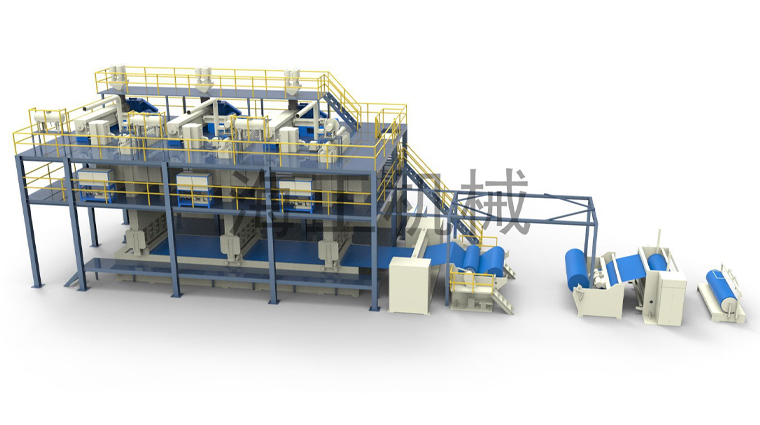
Features dual meltblown beams nestled between dual spunbond stations. Elevates barrier performance and oil-repellency for high-risk clinical environments.
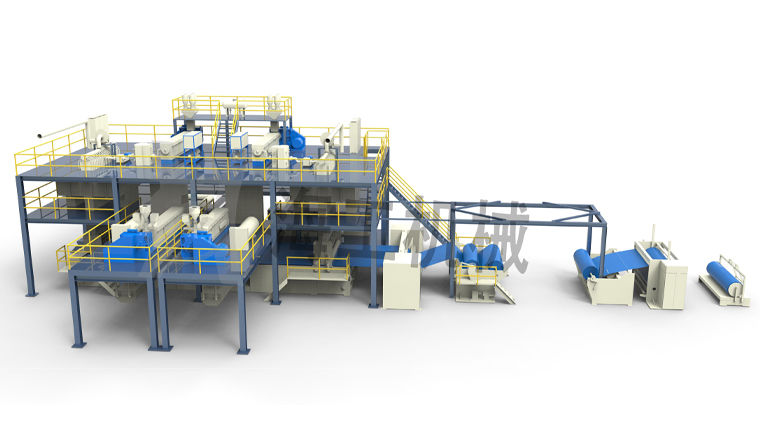
Our flagship high-speed composite line. Creates incredibly soft and breathable protective barrier fabrics for baby diapers and advanced surgical sterile drapes.
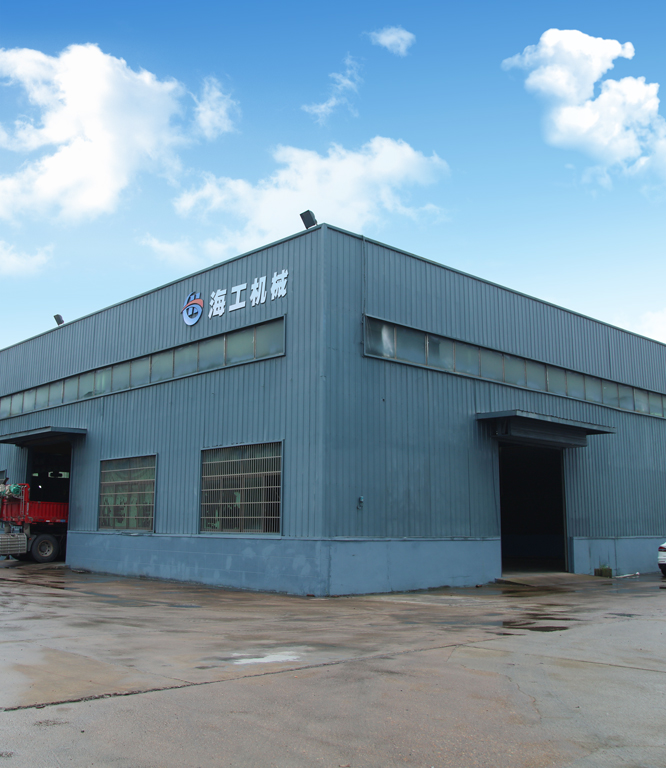
At the center of the HG engineering advantage is our 5th Generation spunbond drawing system. Traditional spunbond setups rely on mechanical drawing rollers or open-drafting channels that are prone to ambient turbulence, resulting in wide fiber-diameter variations. The HG 5th Gen platform utilizes an enclosed slit-drafting channel that applies aerodynamic acceleration to the extruded polymer filaments.
This design generates high air velocities that draw fibers to sub-denier levels (1.5 to 2.0 denier). This delivers a more uniform web distribution, improved tensile strength in both MD (Machine Direction) and CD (Cross Direction), and prevents the appearance of thin spots. The results are lighter fabrics with equal or superior mechanical properties compared to heavier alternatives.
Unique melt channel layout guarantees uniform residence time and consistent melt temperature distribution before extrusion.
Equipped with thermo-oil heating rollers that supply uniform pressure and temperature, ensuring a soft, bonded texture.
How HG Machinery lines configure to meet specific regulatory and chemical properties required in downstream markets.
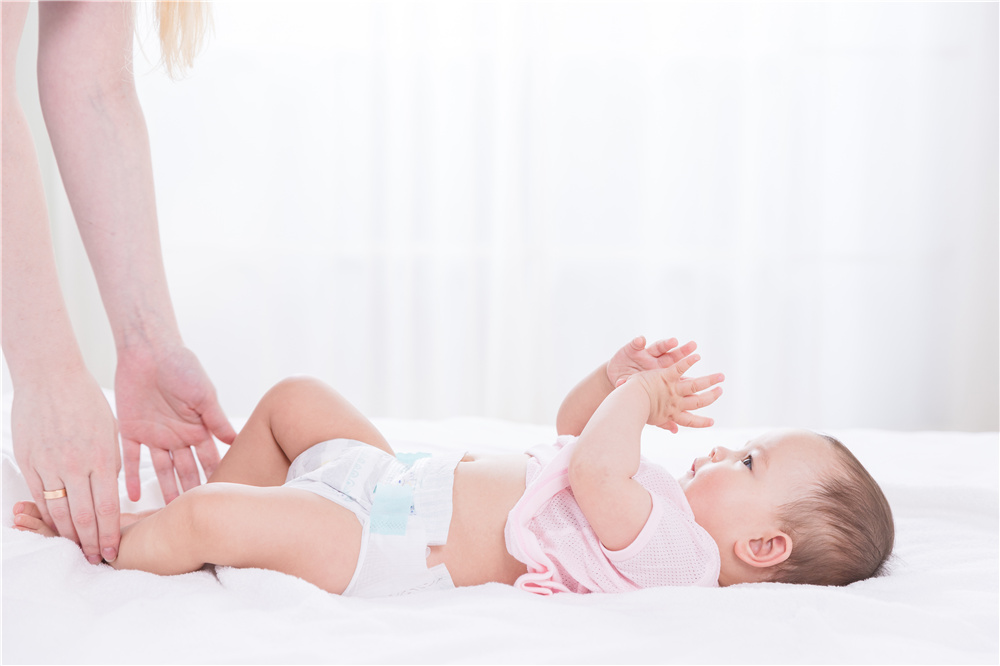
Downstream applications require strict softness and rapid liquid acquisition parameters. HG SSMMS lines deliver hydrophobic back-sheet components and ultra-soft hydrophilic top-sheets, essential for baby diapers and feminine hygiene products.

Fabric produced on HG SMS/SMMS lines offers high hydrostatic pressure resistance and particle filtration. These lines are configured to meet EN 13795 and AAMI PB70 levels for surgical drapes and gowns.
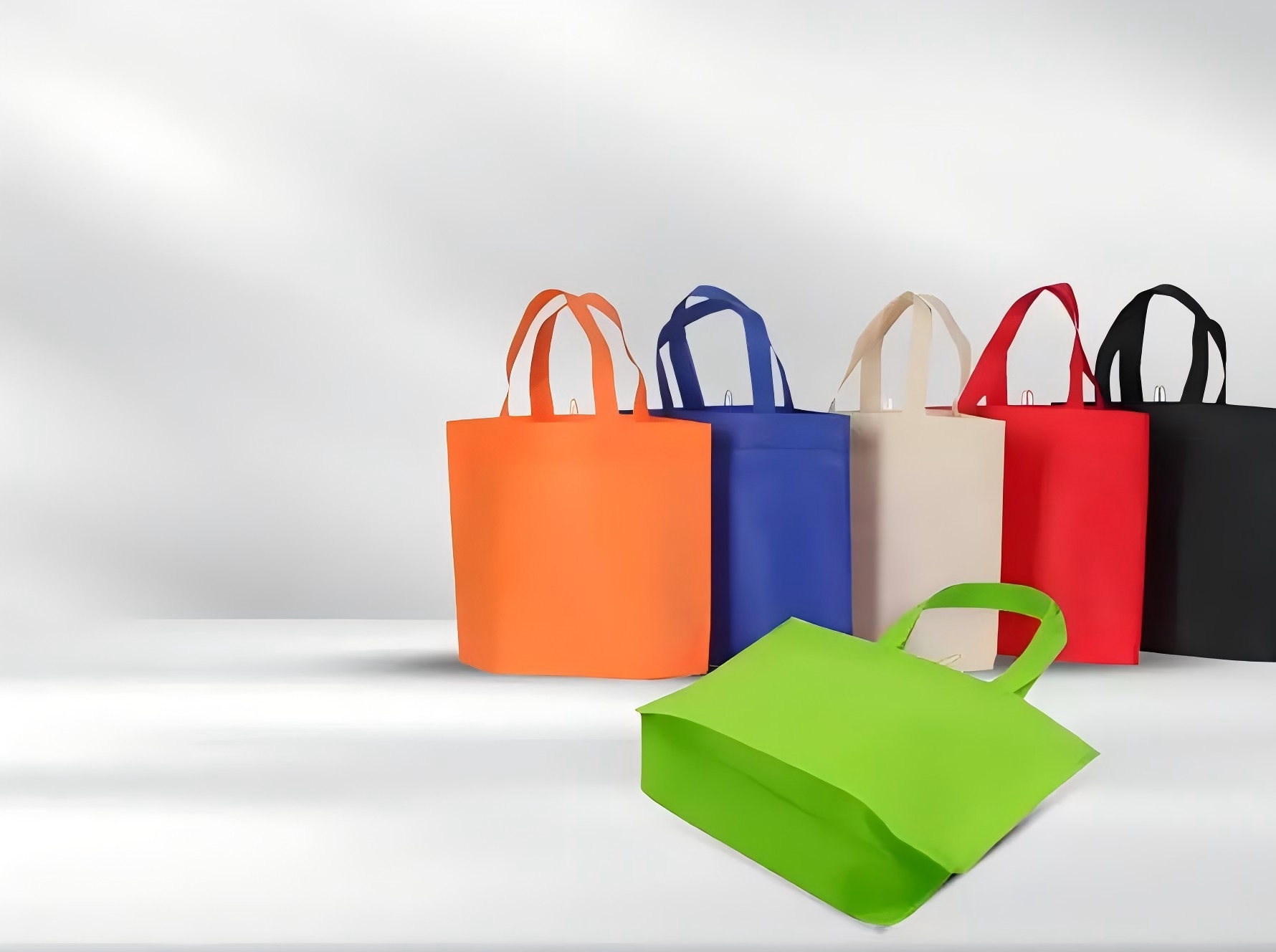
High tear resistance and tensile strength are critical for shopping bags, garment interlinings, and mattress covers. HG S/SS lines run fast, generating high-yield, cost-effective industrial rolls with consistent tensile metrics.
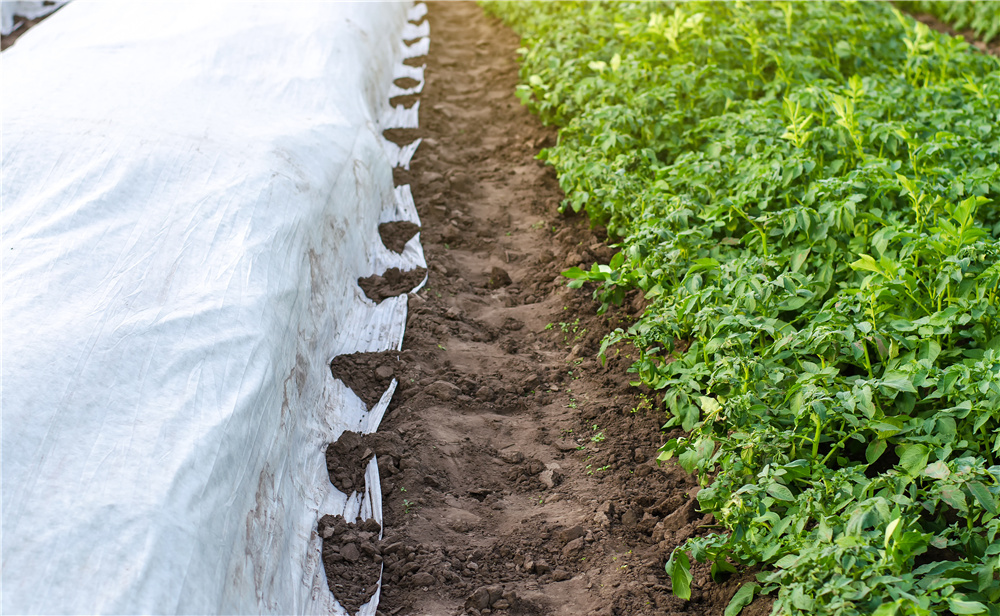
Requires built-in UV stabilization and water permeability. HG extrusion systems easily mix UV-inhibitor additives into the masterbatch, yielding fabrics that protect crops from frost, insects, and excessive solar radiation.
Starting a nonwoven manufacturing business requires more than just purchase of a primary spinning machine. It demands structured design, plant integration, and auxiliary machinery coordination. HG Nonwoven Machinery specializes in delivering comprehensive, integrated projects from raw material feed systems to final roll packing.
We work closely with client engineering departments to draft customized plant blueprints, plan power and utility routings, and select auxiliary equipment. This reduces integration headaches, prevents start-up delays, and guarantees that every component runs in harmony.
Highly responsive melt temperature controls and closed-loop drafting systems optimize fiber formation.
Calenders with precise heat controllers bond the fiber web into rolls with high tactile feel and strength.
High-speed slitting stations slit fabric rolls to customer specifications, minimizing edge waste.
In-line scrap recycling machines reprocess edge trims directly back into the feed extruder, cutting material loss.
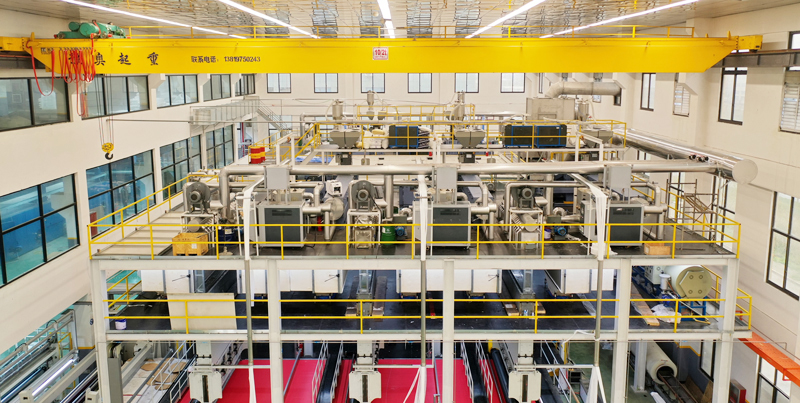
In-depth answers to common questions about selecting, installing, and optimizing nonwoven production systems.
Select the configuration tailored for your factory's production volume, available floor space, and regional energy parameters.
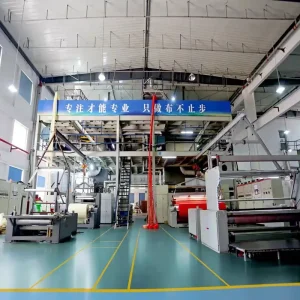
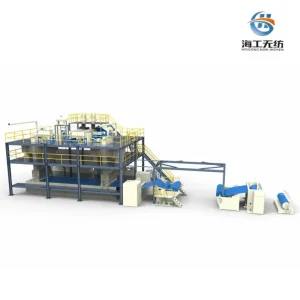
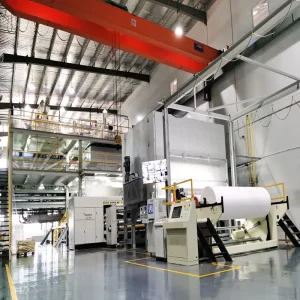
 HG NONWOVEN