Explore our premium grade spunbond and meltblown manufacturing installations designed to support localization initiatives and supply chain stability.
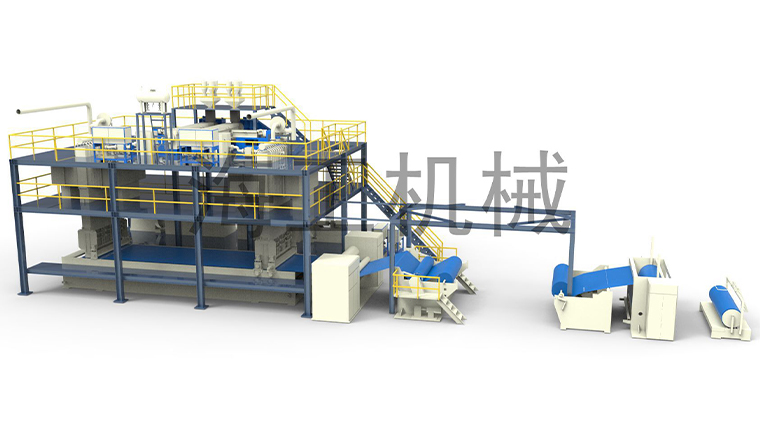
Designed for agricultural protection fleece, general packaging nonwoven bags, and structural furniture lining. Offers low power footprint optimized for Southern African grids.
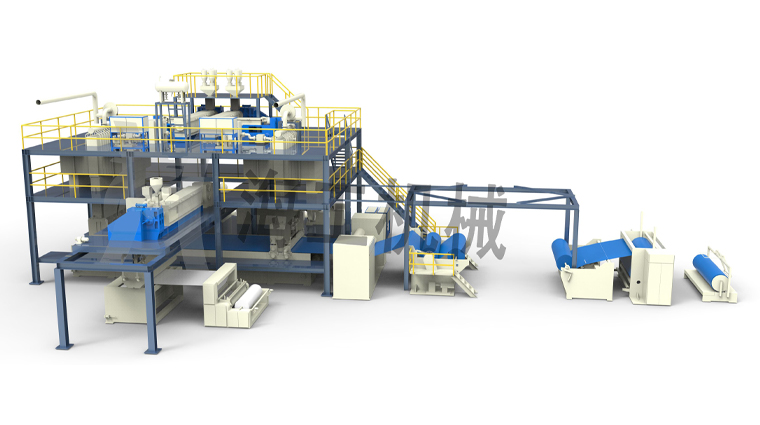
A key industrial setup for producing sterile surgical drapes, medical face mask components, and high-fluid barrier hygiene products.
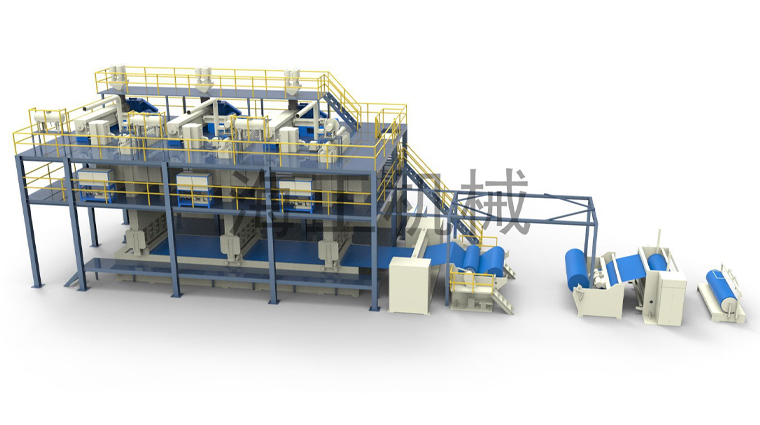
Equipped with 4 composite layers to yield unmatched filtration capabilities, providing crucial feedstock for hygienic and healthcare markets.
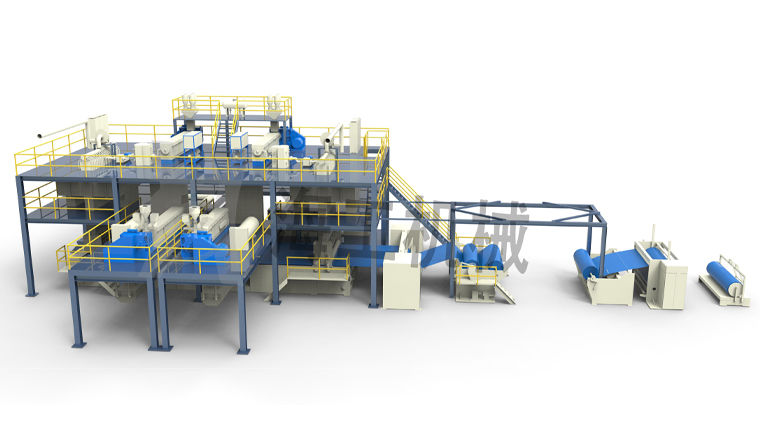
Ultimate medical-grade protection. Combines excellent barrier control with high soft-feel aesthetics for premium export markets.
A Comprehensive Strategic Analysis on Localizing Synthetic Textile Manufacturing for Economic Growth and Regional Leadership.
Namibia is rapidly positioning itself as a key logistics and manufacturing gateway for the Southern African Development Community (SADC). Guided by Vision 2030 and the Growth at Home Strategy, the Namibian government actively champions local industrialization. Historically, Namibia has relied heavily on imported technical textiles and nonwoven consumables from neighboring South Africa and overseas suppliers. Setting up localized Spunbond, Meltblown, and composite (SMS/SMMS) production lines enables Namibian enterprises to capture domestic demand and supply regional trade corridors directly via the Port of Walvis Bay.
By establishing manufacturing hubs in strategic locations like Windhoek, Walvis Bay, or Okahandja, operators can bypass volatile shipping rates and long import lead times. Raw polypropylene resin, readily procurable from regional energy giants, provides a stable feedstock supply chain. This raw material security makes modern nonwoven extrusion plants one of the most profitable investments in Southern Africa's growing manufacturing sector.
"Localization is no longer just a policy recommendation; it is an operational imperative for supply chain resilience across the SADC region. Nonwoven fabric plants in Namibia provide the foundational materials for agriculture, medical safety, and ecological packaging."
Understanding the micro-structural differences in nonwoven configurations is crucial for aligning your factory's output with market demands. Standard nonwovens are categorized by their production methodology:
| Machine Model Type | Filament Configuration | GSM Range (g/m²) | Primary Application Fields in Namibia | Energy Saving Feature |
|---|---|---|---|---|
| HG-1600S / 2400S | Single Beam Spunbond | 10 - 150 | Agricultural crop protection, packaging bags, pocket springs | 5th Gen Inductive Air Draw (Low kW/h) |
| HG-SS (Double Beam) | Double Beam Spunbond | 12 - 200 | Premium shopping bags, furniture lining, agricultural geotextiles | Integrated continuous-filtration recycling |
| HG-SMS / SMMS | Composite Spun-Melt | 12 - 80 | Medical drapes, surgical gowns, adult incontinence, diapers | Dual independent temperature zoning |
| HG-SSMMS | 5-Layer Multi-Beam | 10 - 70 | High-barrier medical protection, premium hygiene products | Intelligent PLC tension and speed balancing |
Global procurement directors face a clear choice when purchasing heavy industrial machinery: balance upfront Capital Expenditure (CapEx) against long-term Operational Expenditure (OpEx). Chinese manufacturing has evolved past simple cost-efficiency. Our state-of-the-art facility utilizes Industry 4.0 standards, integrating high-precision German CNC machining, automated metallurgical quality checks, and real-time smart sensor systems.
This allows us to construct high-performance extrusion lines that match European throughput and reliability parameters while maintaining competitive pricing. Additionally, we provide comprehensive turnkey service. From raw material input configuration and plant layout architecture to high-precision installation, test-run calibration, and intensive operator training, we manage every step of the setup process.
Operating heavy extrusion lines in Southern Africa requires a deep understanding of local utilities. Given NamPower's energy mix, power interruptions or voltage fluctuations can damage expensive equipment and cause costly line shutdowns. To address this, our 5th-generation nonwoven plants feature energy-saving elements, including optimized heating systems, high-efficiency AC motors with variable frequency drives (VFD), and integrated uninterruptible control power supplies.
We work closely with Namibian engineers to size back-up generators, power factor correction systems, and water cooling loops. These customized steps ensure your plant runs continuously with minimal energy loss, maintaining high-speed production even during peak utility demand periods.
Explore our full range of spunbond and meltblown machinery lines. Select your desired target specification and request an engineered layout proposal.
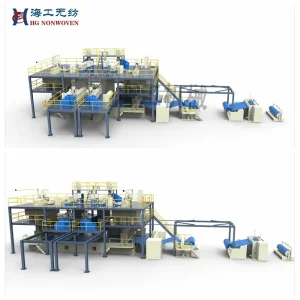
Multi-beam composite plant configured to yield high strength SMS fabric, serving regional medical centers and sanitary facilities.
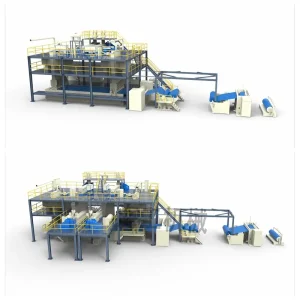
High-speed composite machinery with intelligent PLC automation, designed for durable barrier textiles and hygiene products.
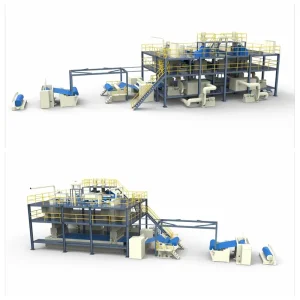
Advanced 5-beam system delivering high-uniformity webs down to 10 gsm. Ideal for critical filtration applications.
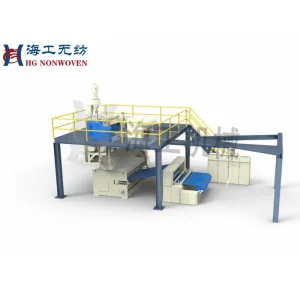
Reliable, cost-effective starter line for manufacturing packaging bags and agricultural crop covers.
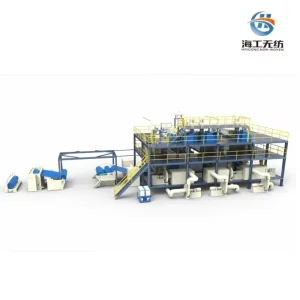
Dedicated medical fabric production system equipped with advanced antistatic and alcohol-repellent treatment units.
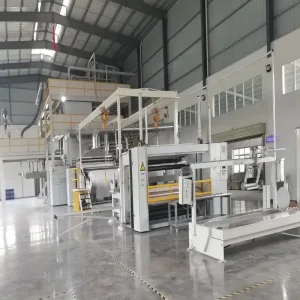
Engineered for high-volume output runs, minimizing changeover waste and maximizing manufacturing capacity.
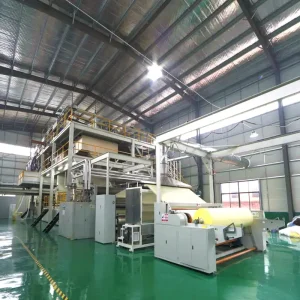
High-capacity plant featuring robust metallurgy and continuous melt filtration, optimized for long production cycles.
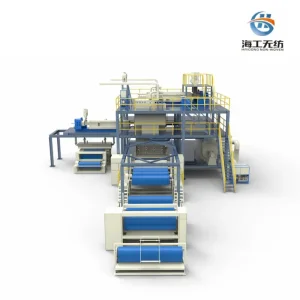
Versatile line configured for manufacturing high-quality technical textiles and agricultural covers.
HG Nonwoven Machinery is a professional manufacturer of spunbond, meltblown, and composite nonwoven fabric machine lines, dedicated to providing high-efficiency and innovative spunbond nonwoven fabric production solutions to the global market. Our company introduced advanced design (5th Generation spunbond spinning technology) concepts from overseas, integrating them with autonomous features tailored to local market needs. This ensures our machines are characterized by convenient operation, compact footprint, low power consumption, high efficiency, and low production costs.
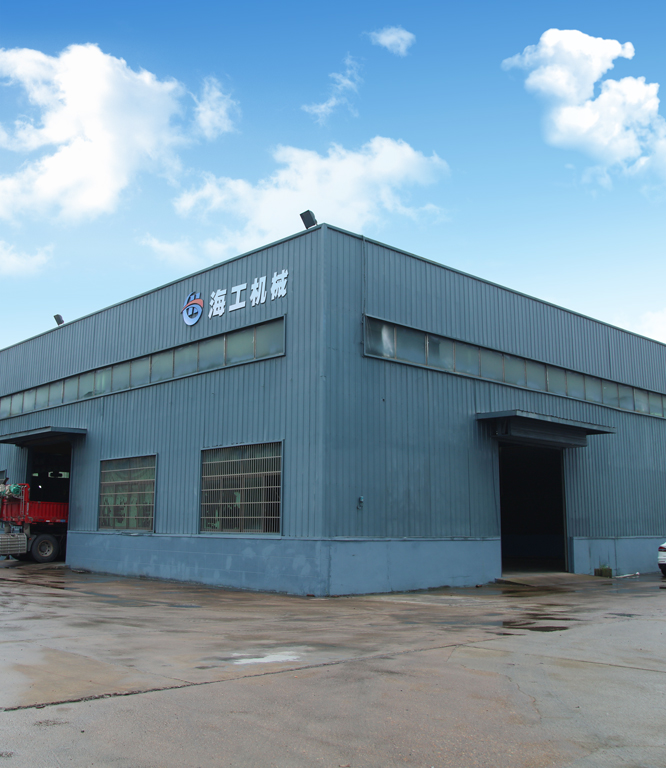
Established in 2014, Pujiang HG Nonwoven Machinery is a well-known manufacturer specializing in PP spunbond and meltblown lines with complete turnkey engineering services. Our machines focus on producing high-performance, eco-friendly, and biodegradable spunbonded nonwoven fabrics.
How nonwoven fabrics support essential industries throughout Namibia and regional markets.
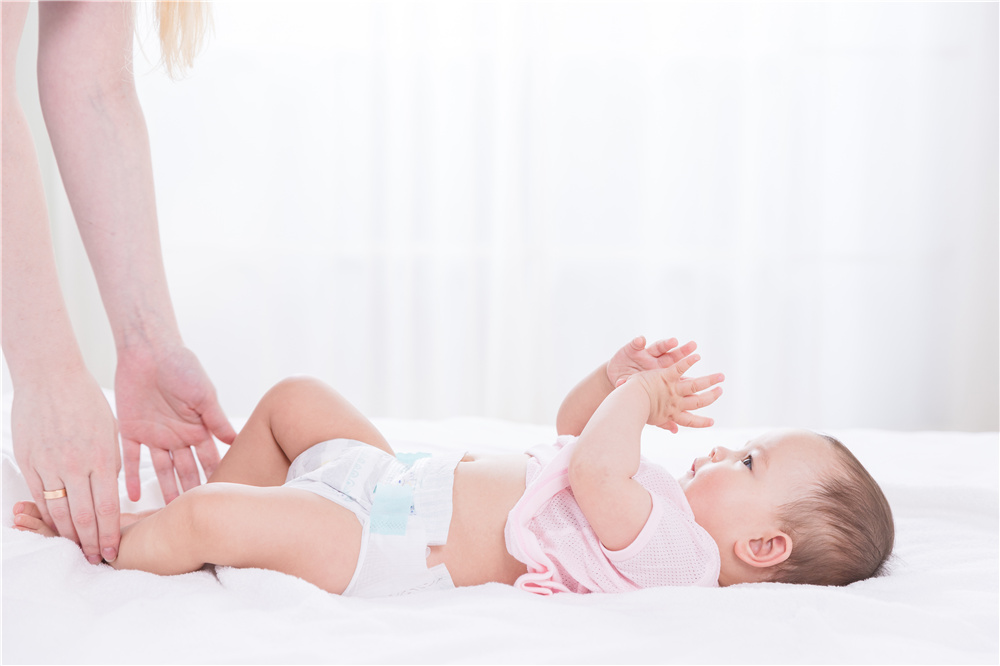
Non-woven fabric is essential in the hygiene sector, offering breathability, softness, and excellent fluid management for comfort and protection. It quickly absorbs liquid and keeps it away from the skin, making it ideal for paper diapers, incontinence pads, and feminine hygiene products.
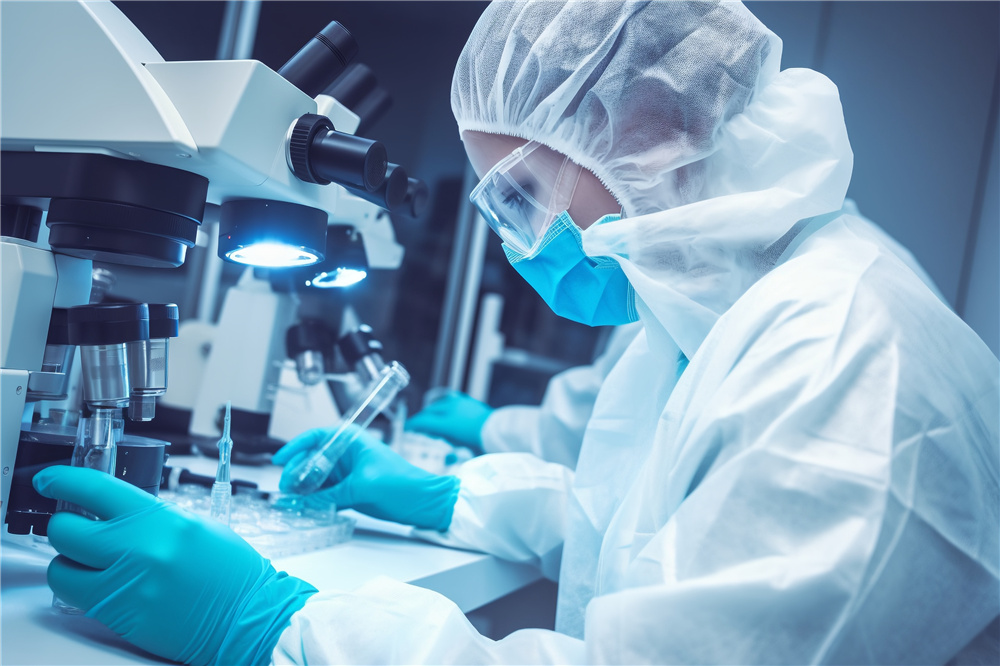
Nonwoven fabrics deliver critical safety properties, preventing infection and disease transmission in the medical field. They are essential for making face masks, surgical gowns, bed sheets, and surgical towels, ensuring effective filtration, protection, and comfort.
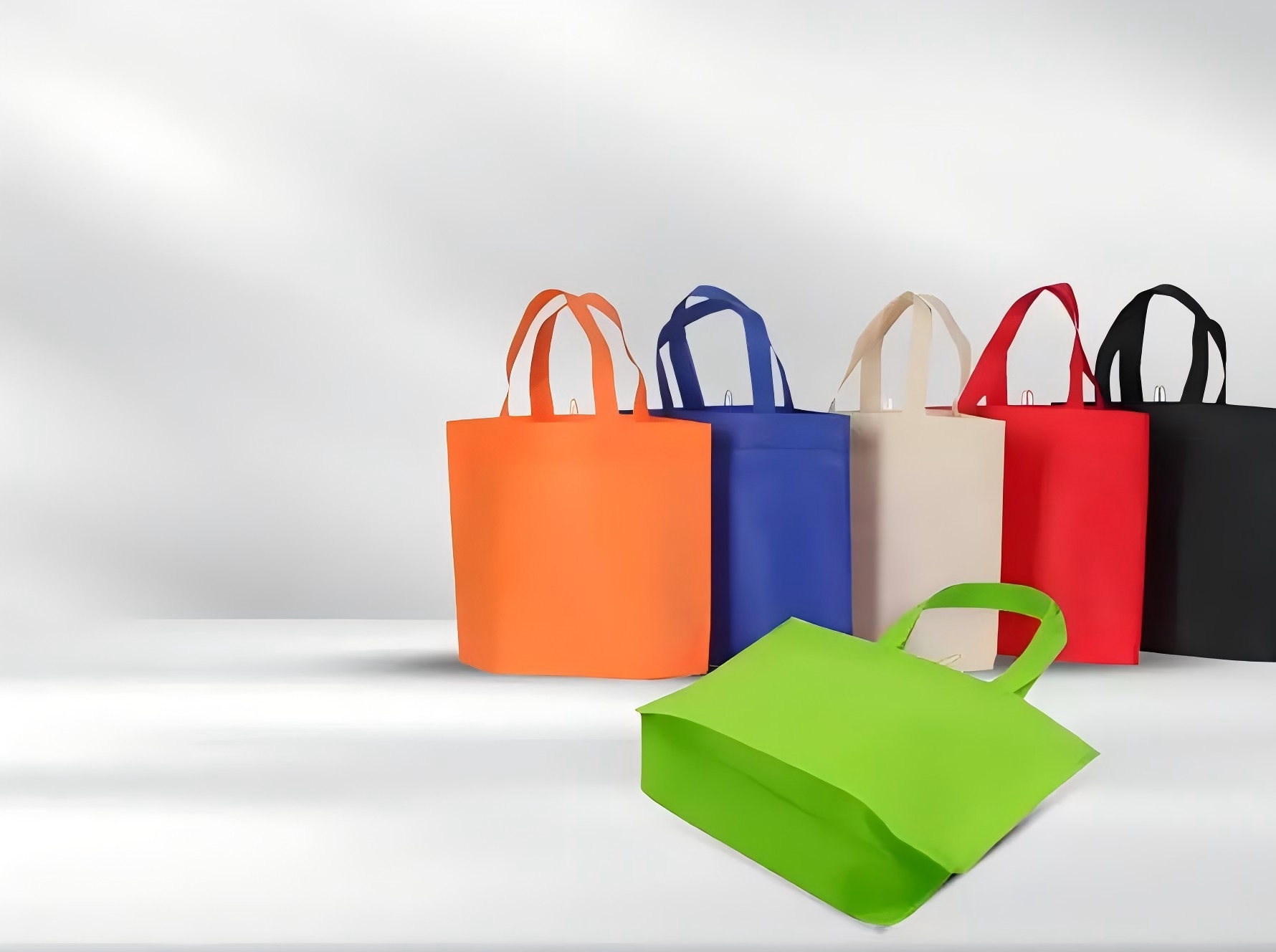
Ideal for various packaging end-uses due to their light weight, low shipping costs, and re-usability. Widely used for shopping bags, fruit bags, garment bags, rice bags, pocket springs, and garment interlinings, supporting regional initiatives to phase out single-use plastics.
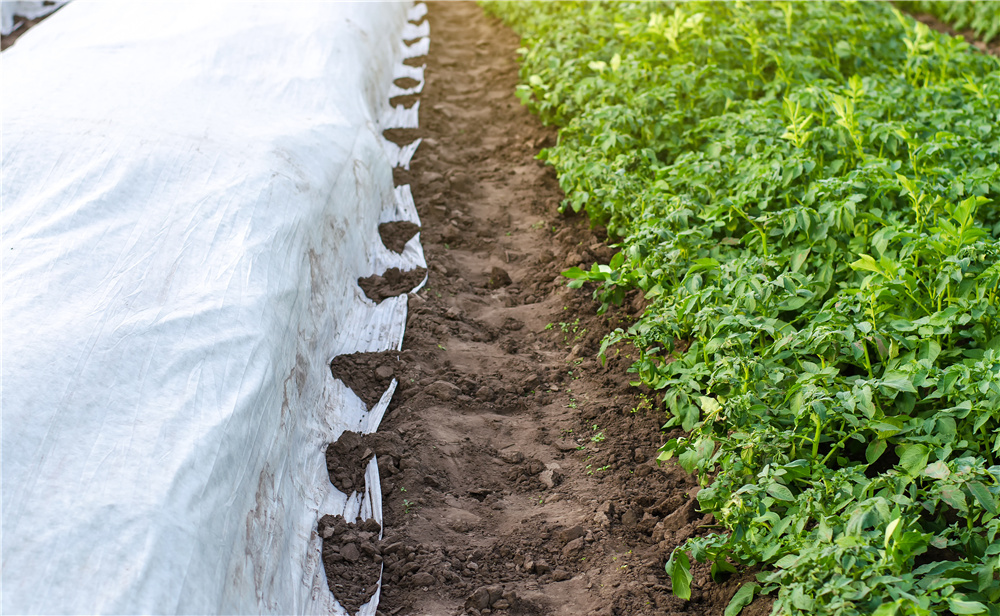
Allows air and water to pass through while providing protection against wind, frost, and pests. Nonwoven materials help regulate heat and block UV rays, while maintaining excellent permeability. Lightweight and customizable, they are widely used across farms in southern regions.
Key technical, financial, and operational answers for investment planning and project execution.
A standard 2400mm SS Spunbond nonwoven line has an installed heating and drive load of approximately 600-800 kW, with an operational consumption (running load) around 50-60% of the installed rating. Energy-saving options, like variable frequency motors, can reduce overall power use.
Our plants are built with secure cloud-linked industrial PLC systems. This allows our design team to monitor processes, diagnose sensor issues, and update system code remotely from China, helping to minimize site downtime.
Yes, our 5th-generation extrusion lines can be adjusted to process biodegradable polymers like Polylactic Acid (PLA) or recycled Polypropylene flakes, allowing manufacturers to produce eco-friendly, green materials.
Manufacturing a turnkey line takes 90-120 days depending on the configuration. Shipping to Walvis Bay Port takes approximately 35-45 days. Once delivered, onsite assembly, alignment, and pilot testing by our technicians take about 30-40 days.
 HG NONWOVEN