Tailored configurations designed to withstand Central Asia's extreme temperature shifts while maximizing energy-efficiency. Incorporating advanced automation for localized production stability.
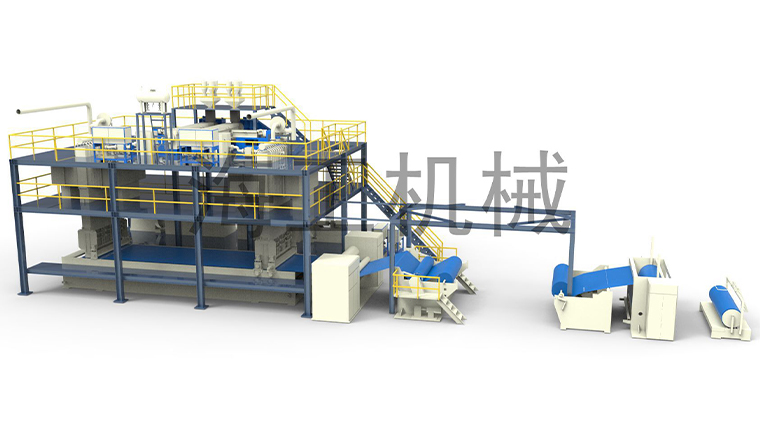
Optimal configuration for manufacturing heavy-duty packaging materials, flour bags, structural interlining, and agricultural protection sheets across Samarkand and Bukhara regions.
Get Uzbekistan Cost Estimate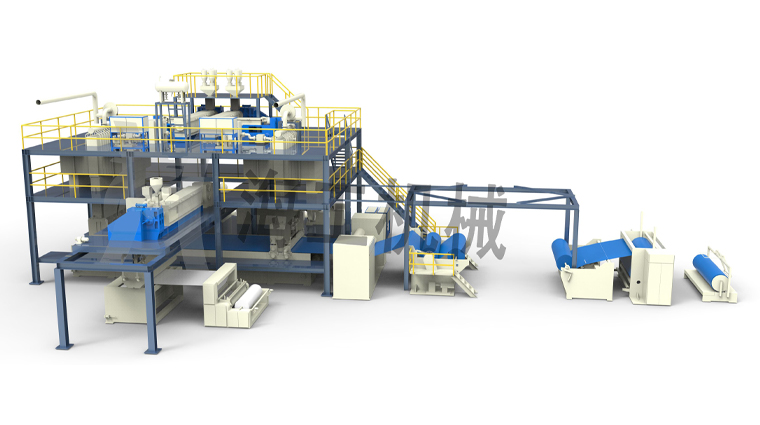
High-barrier medical composite machinery optimized to manufacture surgical gowns, drapes, and sterile packaging materials adhering to international safety protocols.
Request Tech Specs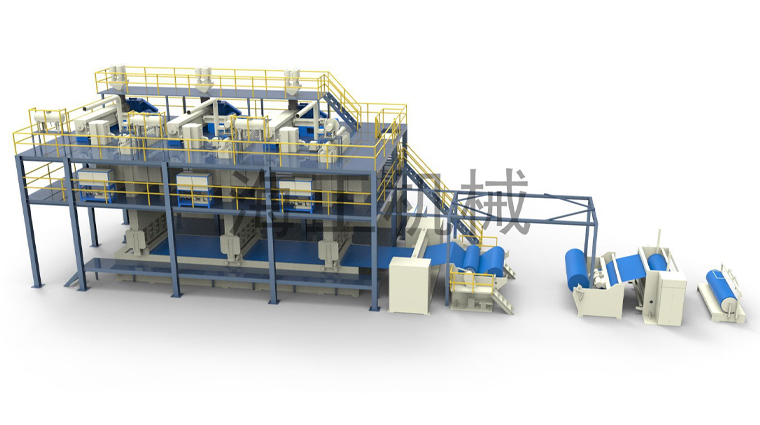
Advanced 4-layer configuration utilizing dual-meltblown beams for ultra-high filtration efficiency, perfect for surgical masks and professional respirator production.
Consult Setup Plan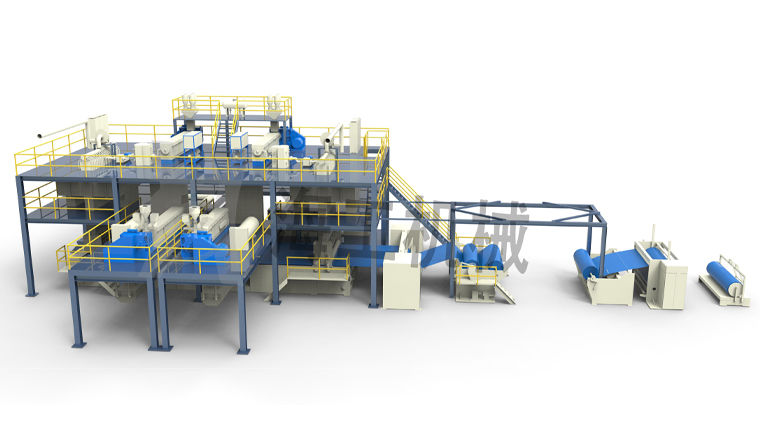
Top-tier industrial production system featuring 5 composite layers. Engineered for maximum softness, breathability, and absolute barrier protection for hygiene markets.
Inquire Turnkey QuotationUnder the framework of Strategy Uzbekistan 2030 and the ongoing economic modernization reforms led by the Uzbek government, the nation is aggressively shifting its industrial focus. Uzbekistan is transitioning from a traditional exporter of raw cotton to a global hub for high-value-added textiles, medical consumables, and modern packaging materials. Central to this structural transition is the rapid adoption of synthetic polymers and nonwoven fabric manufacturing technologies.
As the most populous nation in Central Asia, Uzbekistan offers a strategic logistical gateway, linking Chinese machinery innovation directly to Eastern European and CIS markets. This geostrategic position, combined with highly favorable domestic electricity tariffs and a motivated, growing workforce, has made the establishment of local spunbond and meltblown manufacturing facilities a highly lucrative enterprise.
With domestic cotton refining capacities reaching their limits, the Ministry of Investments, Industry, and Trade is heavily incentivizing the production of polypropylene (PP) spunbond, meltblown, and composite nonwovens. These materials form the backbone of modern hygiene, packaging, medical, and agricultural operations.
Setting up an industrial nonwoven line in regions like Tashkent, Namangan, or Samarkand requires deep integration of local market dynamics and modern machinery engineering. Here are the key technical pillars that HG Nonwoven Machinery integrates into every system deployed in Uzbekistan:
HG's advanced spinning configuration enables high-speed extrusion with lower energy footprints. By utilizing foreign design concepts optimized with local autonomy, we reduce the energy required to melt and draw PP chips by up to 22%, saving tens of thousands of dollars annually in operational utility costs.
Beyond our primary spunbond and meltblown extrusion lines, we provide a fully integrated factory solution. We supply and commission nonwoven recycling machines, slitting units, flexo printing units, lamination machinery, and high-speed bag-making lines to ensure a seamless workflow from raw polymer to the final package.
We leverage our 20+ years of industrial experience to assist Uzbek investors in formulating comprehensive feasibility reports. This includes tracking raw material costs (PP resin, color masterbatches) and predicting ROI curves based on Central Asian market demand dynamics.
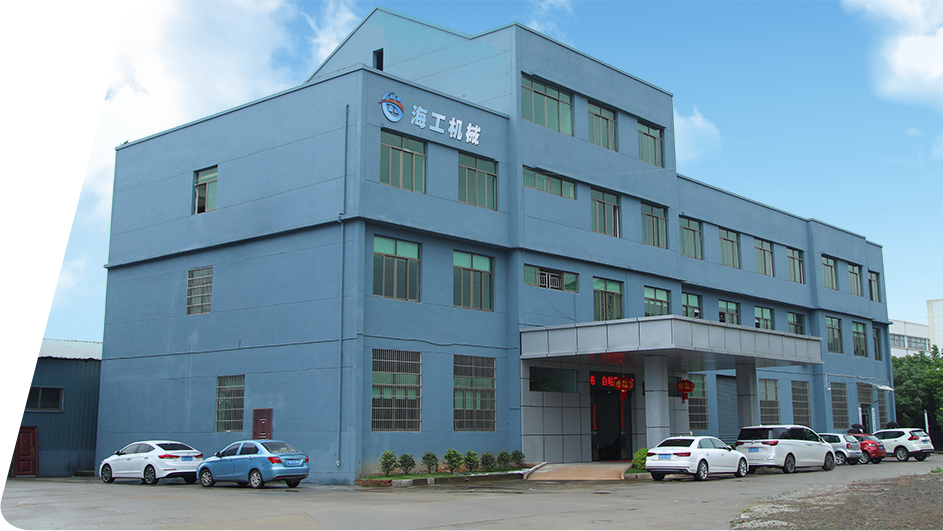
Selecting a machine builder involves evaluating technological precision, geographical logistics, long-term technical support, and structural cost-efficiency. Our manufacturing base in Pujiang, China, is perfectly positioned to serve the expanding Central Asian markets.
Logistical Integration via the Belt & Road Initiative (BRI): Shipping large-scale heavy machinery overland from China to Uzbekistan via Xinjiang border crossings (such as Khorgos) drastically reduces transit times and transport risks compared to maritime freight from Europe. This direct rail and road corridor allows HG Nonwoven Machinery to deliver complex, multi-ton equipment directly to your factory door in Tashkent or the Free Economic Zones (FEZ) in as little as 15 to 20 days post-manufacturing.
Cost-Performance Optimization: Our 5th Generation technology represents a major evolutionary step in spunmelt extrusion. By utilizing overseas design principles and incorporating our proprietary engineering patents, we offer high-throughput lines at a fraction of the CAPEX of European counterparts. This ensures that your Uzbek startup or factory expansion reaches profitability much quicker.
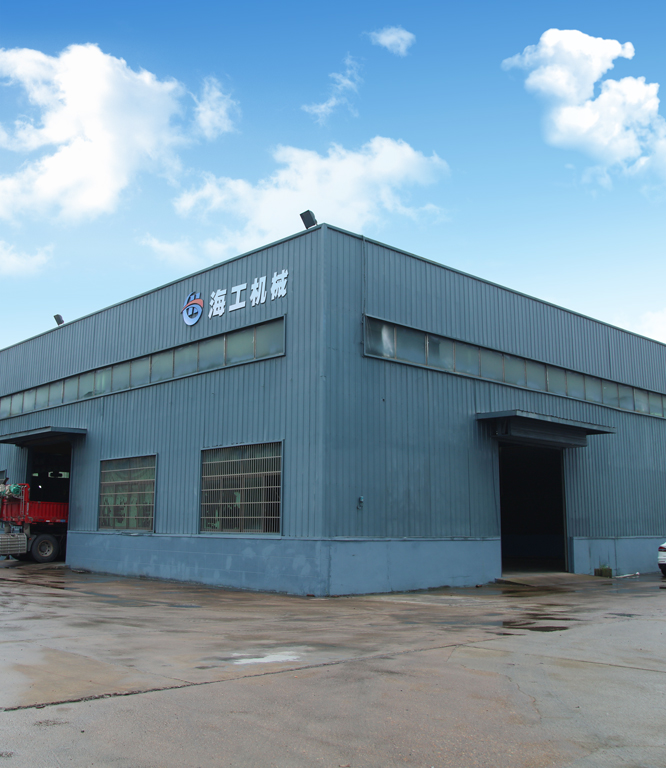
Every HG line undergoes rigorous test runs at our manufacturing facility before dismantling and packaging. We ensure that the spinnerets, extrusion pumps, electrical control cabinets (utilizing Siemens, Schneider, or ABB components), and calendars are perfectly calibrated.
Once the line arrives in Uzbekistan, our dedicated engineering team travels directly to the site. We handle the physical assembly, precise alignment of the spinning beams, wiring, commissioning, and raw-material test runs. Crucially, we conduct intensive training for your local Uzbek technicians to ensure they can manage, run, and maintain the line independently.
The versatility of PP spunbond and meltblown fabrics makes them vital across diverse regional industries. Choose the right market segment to grow your business.

Critical for baby diapers, adult incontinence products, and sanitary napkins. Requires SSMMS/SMMS layers offering ultimate softness, skin comfort, and efficient fluid barriers.

Providing high-barrier, anti-static, and anti-alcohol protection. Essential for surgical gowns, drapes, masks, and caps used across clinics and hospitals throughout Uzbekistan.
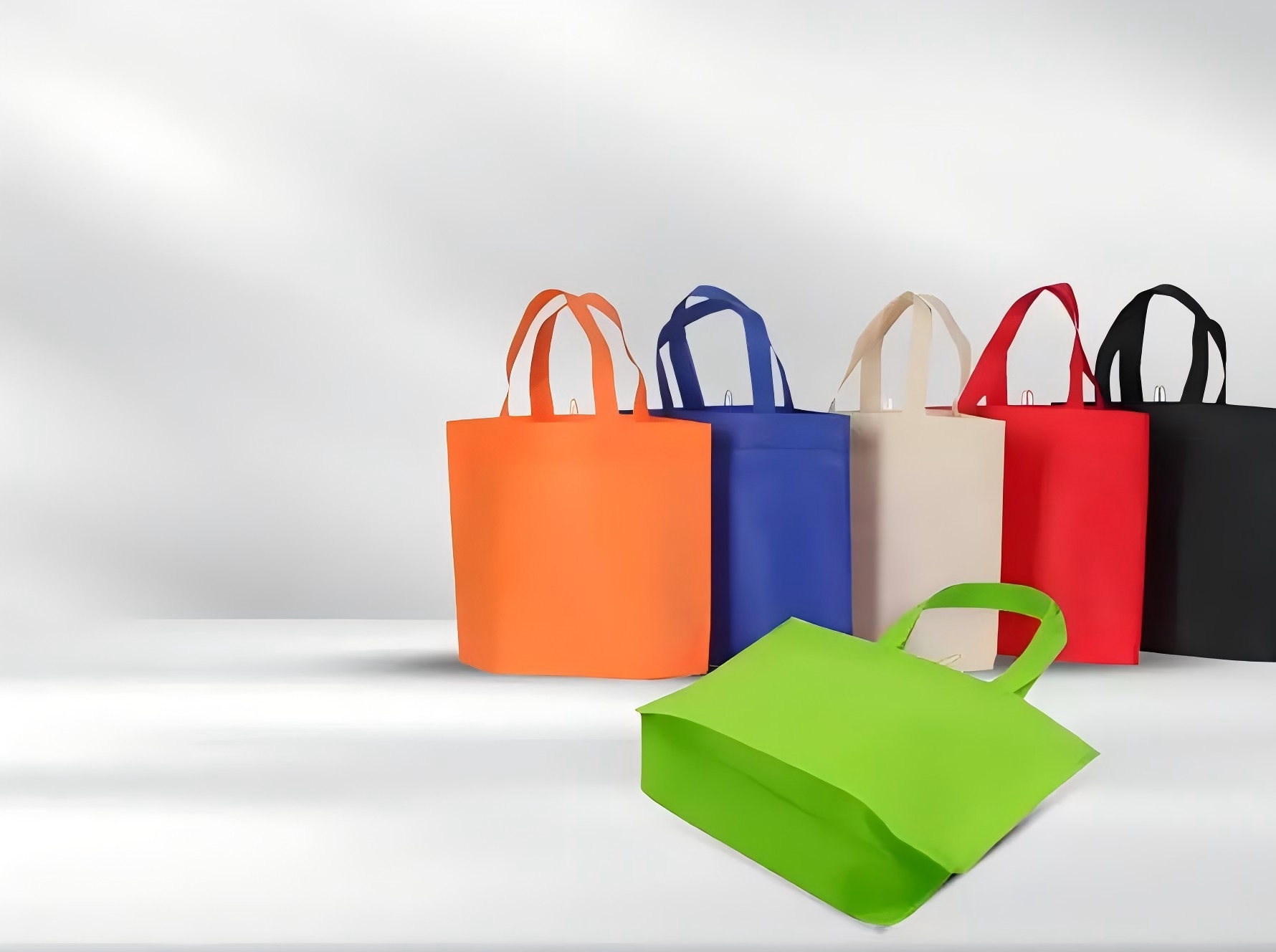
Durable, reusable, and print-friendly fabric. High-density S or SS materials replace single-use plastic bags, serving the flour, rice, and general commercial packaging sectors.
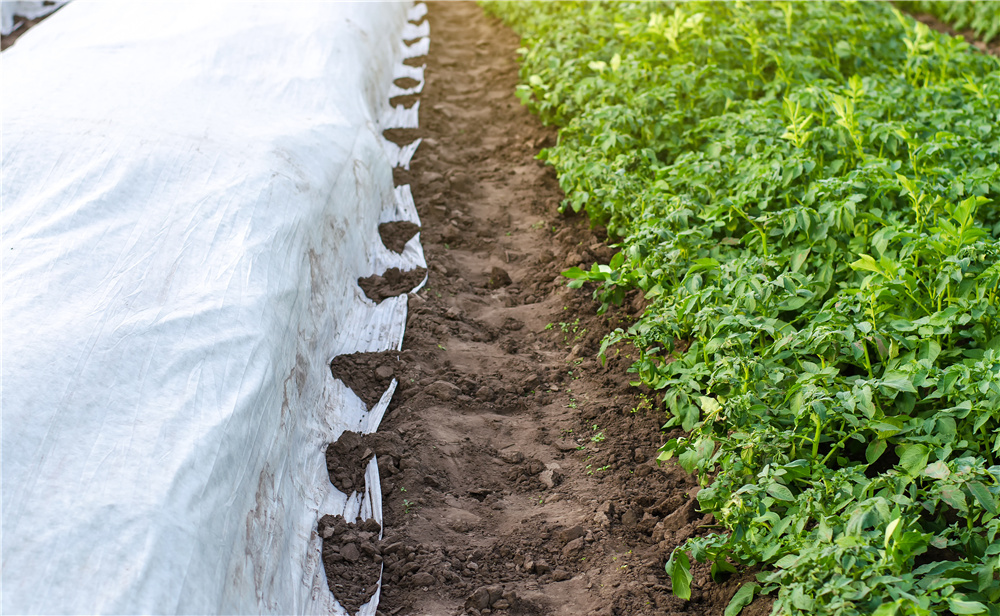
UV-stabilized spunbond fabrics protect crops from freezing temperatures, heavy sun exposure, and insect pests while maintaining air and moisture permeability.
Our complete lineup of high-tech production lines, designed to meet the demands of global manufacturers looking to establish modern industrial facilities.
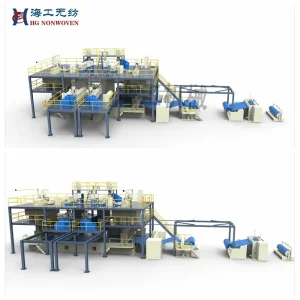
Reliable three-layer composite line designed to produce medical-grade and high-strength industrial barrier fabrics.
Inquire Details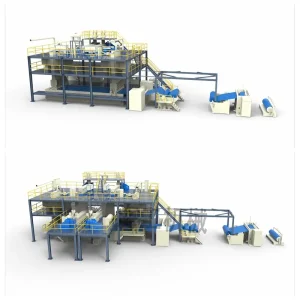
Four-layer technology with customizable configurations to achieve high tensile strength and barrier properties.
Inquire Details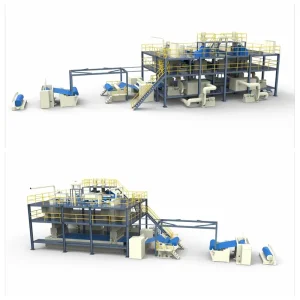
High-end composite system featuring 5 layers, delivering exceptional filtration performance for advanced hygiene applications.
Inquire Details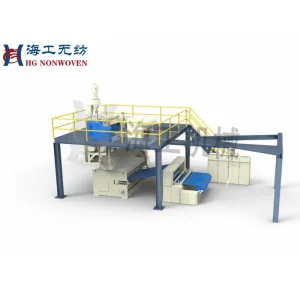
Highly economical single-beam line, ideal for beginners entering the agricultural and basic packaging markets.
Inquire Details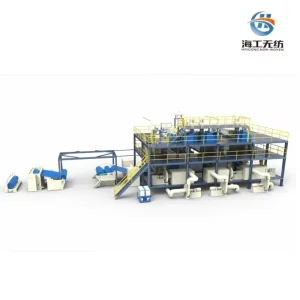
Specially customized to meet European and North American medical standards, ensuring reliable bacterial filtration efficiency.
Inquire Details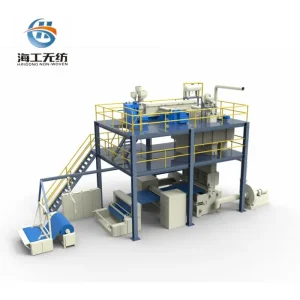
Engineered for high-volume roll production with minimal downtime, serving mass-market industrial buyers.
Inquire Details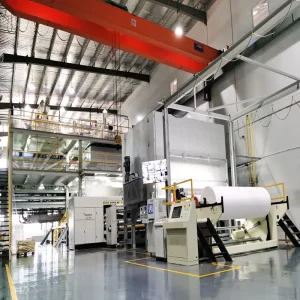
Optimized for processing high-tensile bags, offering excellent raw material adaptability and tension control.
Inquire Details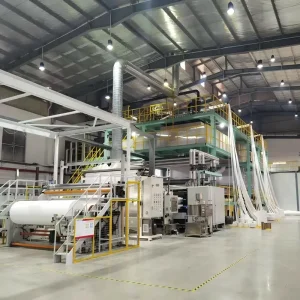
Our classic workhorse machine line, offering low maintenance costs and stable extrusion performance.
Inquire DetailsHG Nonwoven Machinery is a professional manufacturer of spunbond, meltblown, and composite nonwoven fabric machine lines, dedicated to providing high-efficiency and innovative spunbond nonwoven fabric production solutions to the global market.
Our company introduced an advanced design concept (5th Generation spunbond spinning technology) from overseas and integrated it with autonomy to meet the specific demands of regional markets. As a result, HG nonwoven fabric making machines are characterized by convenient operation, a small physical footprint, low power consumption, high efficiency, and low production costs.
Established in 2014, Pujiang HG Nonwoven Machinery specializes in manufacturing PP spunbond and meltblown nonwoven fabric making machines with complete turnkey engineering services. Our machines focus on producing high-performance, eco-friendly, and biodegradable spunbonded nonwoven fabrics.
Our Core Promise: We regard "high quality, good service" as our tenet. By choosing us, you gain a reliable partner committed to helping you stand out in a competitive market. Contact us today to learn more about how to produce nonwoven fabrics economically, reliably, and sustainably.
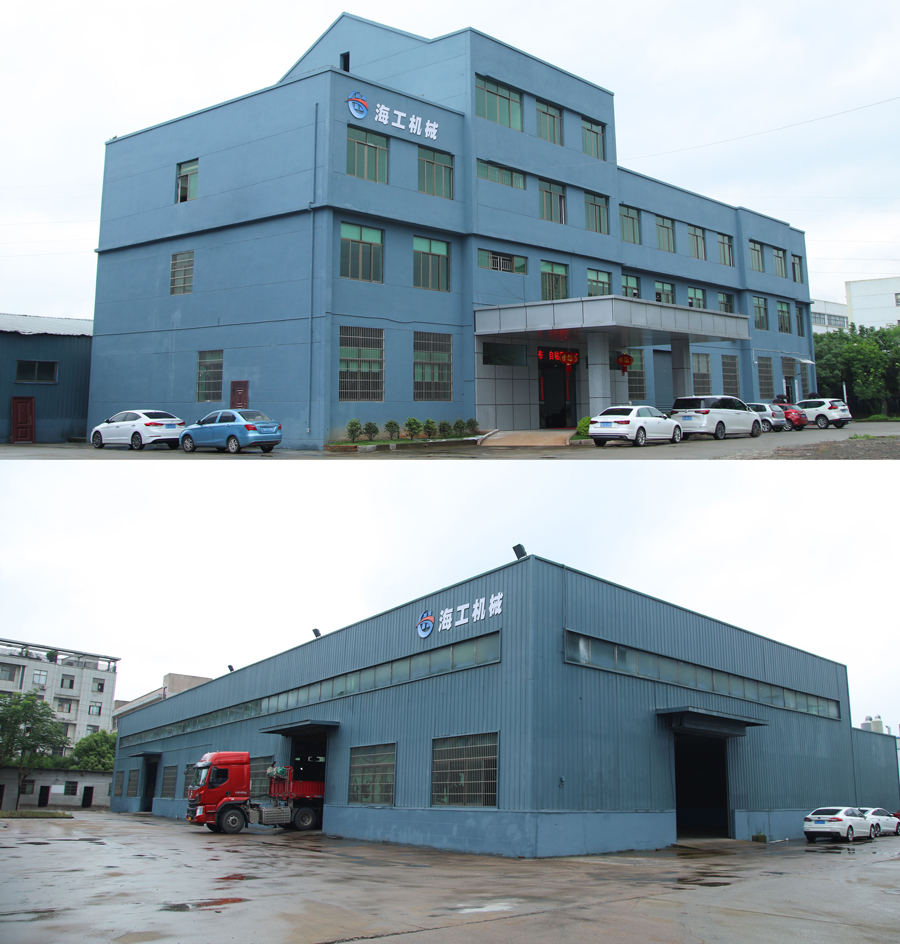
Our machines are meticulously designed and incorporate the latest technology to ensure maximum production efficiency with minimal energy consumption.
We offer customized solutions to ensure our machines align perfectly with your unique needs. We adjust the extrusion speed, calendar temperature, and web-former draft to match specific fabric GSM and soft-touch requirements.
With rich experience in the nonwoven industry, we will provide you with a thorough local market analysis to help you compile a comprehensive project feasibility report before investment.
Besides PP nonwoven fabric making machines, we supply related machinery like recycling granulators, slitting units, flexo printing units, lamination systems, and bag-making machines.
After installation, we provide comprehensive training to ensure your team operates the line successfully. We also offer 24 months of engineer after-sales service for technical support. Whether on-site or through digital services, we assist you quickly and reliably.
The performance of modern nonwoven composites depends heavily on the consistency of the polymer melt and the air-draft drawing system. On SMS (Spunbond-Meltblown-Spunbond) and SMMS lines, polymer raw materials (Polypropylene chips with a Melt Flow Rate of 25–40 g/10min for Spunbond, and 800–1500 g/10min for Meltblown) undergo precise melting inside independent extruders.
The Spunbond Extrusion Phase: PP resin is fed into a single-screw extruder where high-precision heating zones melt the polymer. The molten polymer is forced through a spin pack with thousands of capillary holes (spinneret). To achieve uniform fiber thickness across a 3.2-meter-wide line, HG Nonwoven Machinery utilizes custom-engineered spinnerets that ensure balanced melt pressure and temperature distribution.
Once the molten filaments leave the spinneret, they enter the quenching chamber, where cold air cools them uniformly. The filaments are then pulled down by high-speed air currents inside the drafting slot. This process orientates the molecular chain of the polymer, giving the fibers high tensile strength.
The Meltblown Core Phase: The meltblown beam uses high-velocity hot air to draw the molten polymer into ultra-fine microfibers (typically 1 to 5 microns in diameter). These microfibers are sprayed onto the spunbond web, forming a dense, randomized web structure with excellent barrier properties.
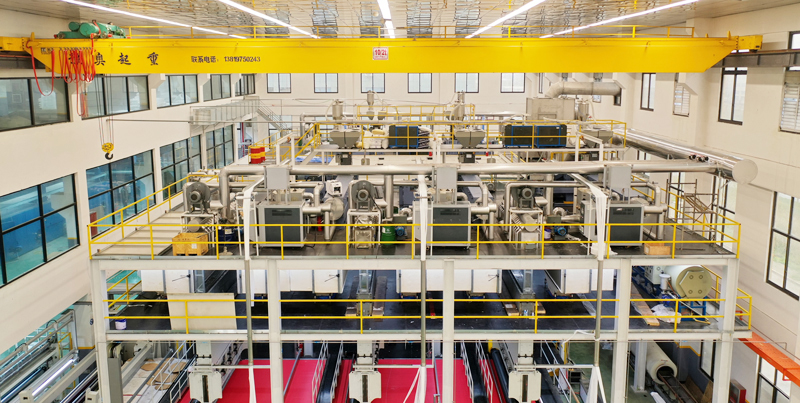
Thermal Bonding Calendar Integration: The composite web is bonded using a thermal calendar. The calendar utilizes two oil-heated rollers: one engraved with a specific dot pattern and one smooth roller. The temperature and pressure of these rollers must be controlled within ±1°C to prevent under-bonding (resulting in low tensile strength) or over-bonding (resulting in brittle, stiff fabric).
Critical technical, economic, and logistical questions answered by our industrial consulting engineering team.
Get a customized turnkey setup layout proposal, market feasibility report, and detailed machinery quotation from our technical engineering team today.
 HG NONWOVEN