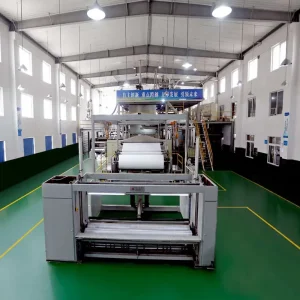
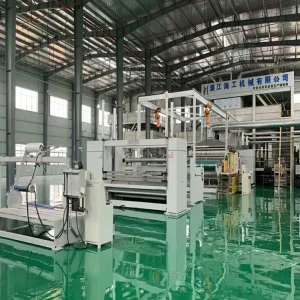
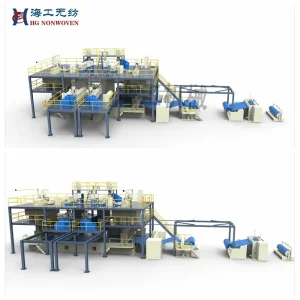
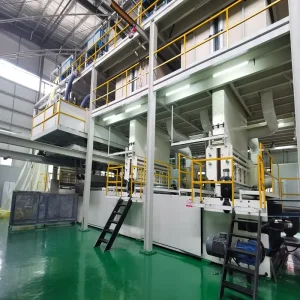
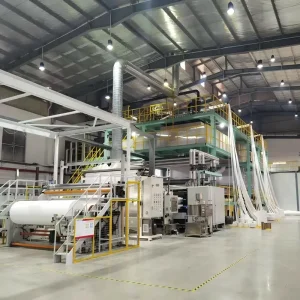
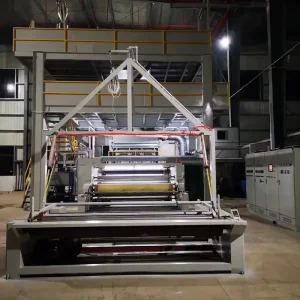
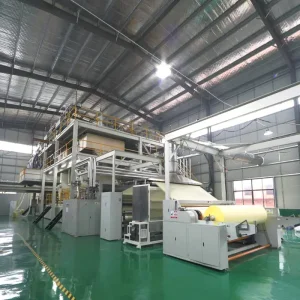
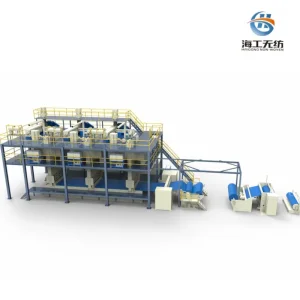
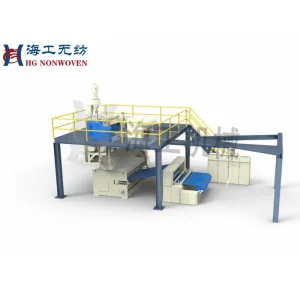
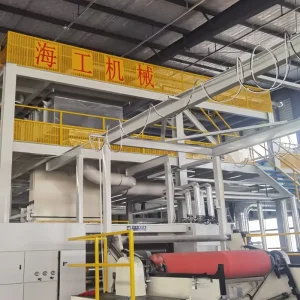
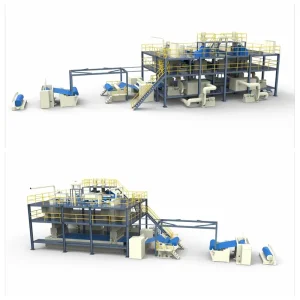
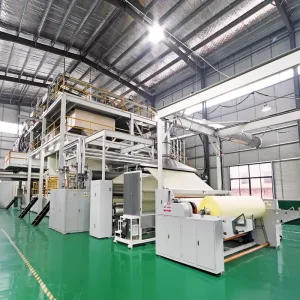
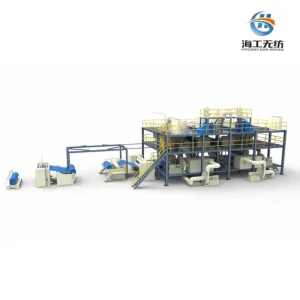
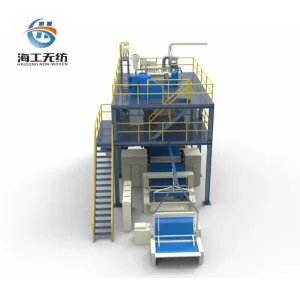
Explore our core selection of globally deployed nonwoven fabric manufacturing machinery, offering high efficiency, precision extrusion, and superior tensile distribution.
Years Industry Experience
Production Lines Commissioned
Export Destinations Globally
Gen Advanced Spinning Tech
The global nonwoven fabric manufacturing sector has undergone a profound technological shift. No longer is output determined solely by sheer physical size; instead, the market demands high efficiency, precise polymer distribution, and reduced thermal footprint. With the rising global demand for technical textiles in hygiene, automotive filtration, geotextiles, and medical equipment, modern manufacturers require versatile platforms that can rapidly adapt to different polymer formulations, specifically eco-friendly and biodegradable variations like PLA or modified Polypropylene (PP).
Under the E-E-A-T framework, analyzing the global status reveals that legacy plants built a decade ago suffer from high electrical consumption and inconsistent filament drawing. By introducing 5th Generation spunbond spinning technology, current factories can achieve ultra-fine denier filament distribution, lowering overall fabric weight (GSM) while maintaining or even increasing tensile strength.
“Information Gain for B2B Procurements: Achieving operational resilience relies on transition technologies. Multi-beam configurations (like SSMMS) combine the high mechanical strength of Spunbond layers with the precise micro-filtration capabilities of Meltblown barriers.”
Integrating 5th Generation Spinning Innovation with Deep B2B Turnkey Competence
Pujiang HG Nonwoven Machinery Co., Ltd. (operating since 2014) is a globally recognized manufacturer specializing in PP spunbond, meltblown, and composite nonwoven fabric machine lines. Deeply committed to the E-E-A-T principles of industrial engineering, we deliver complete turnkey engineering services that ensure high-efficiency, eco-friendly, and sustainable production of nonwoven fabrics.
Our core technical design utilizes advanced 5th Generation spunbond spinning technology introduced from overseas and strategically integrated with autonomous enhancements to match diverse regional market conditions. Our machine systems are characteristically compact, layout-efficient, low in power consumption, and highly productive, ensuring low operating expenses (OPEX) and high return on investment (ROI).
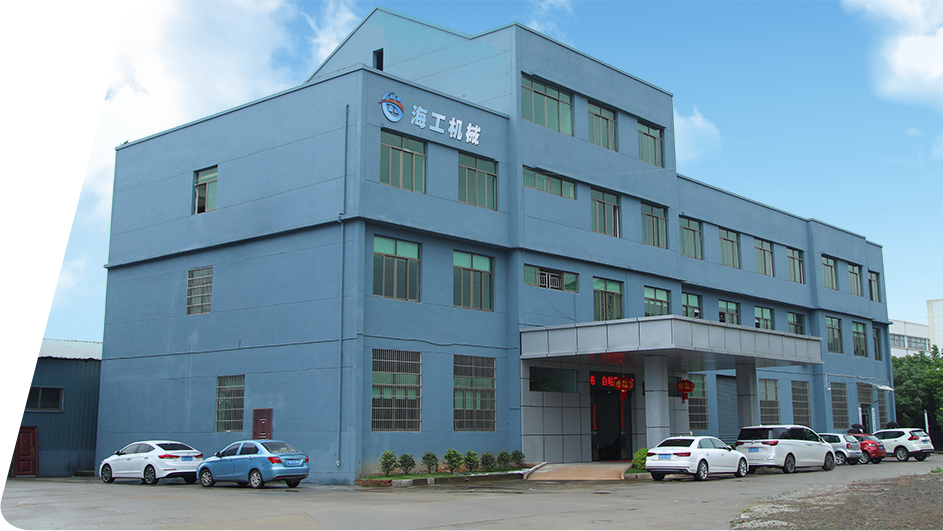
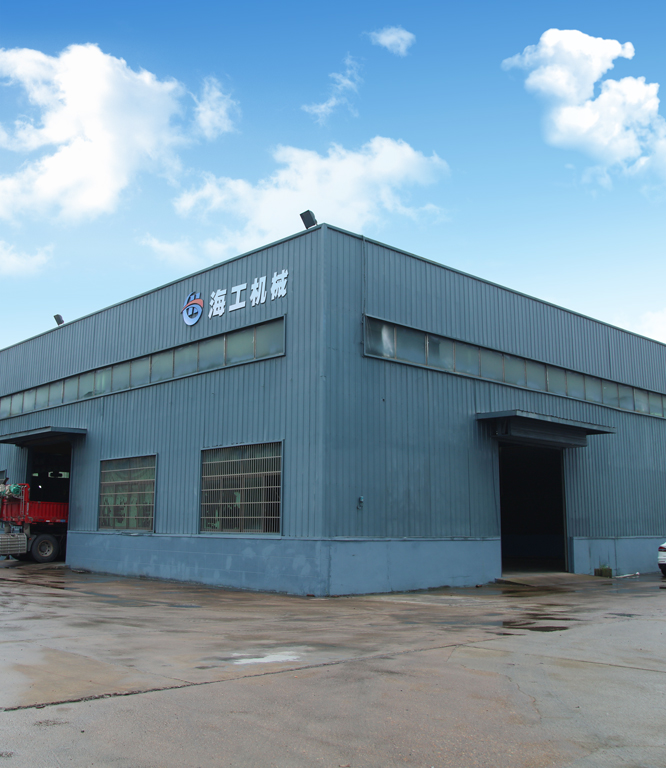
Based in China, Pujaing HG Nonwoven Machinery has built a strong reputation as a premium manufacturer. Over the course of our operation, we have recognized that purchasing capital equipment is not merely a transaction; it is a multi-decade strategic investment. Our engineering process focuses on generating biodegradable and green spunbonded nonwoven fabrics that align with strict EU and US environmental protocols.

CE & ISO certified industrial grade components.
By choosing HG Machinery, partners secure a reliable supplier committed to engineering excellence, operational sustainability, and comprehensive post-installation support.
How we guarantee operational success and risk mitigation in high-capacity nonwoven projects.
Our production systems incorporate modern mechanical design methodologies, minimizing polymer degradation inside the extruder screw while reducing energy usage by up to 20% compared to traditional technologies.
We provide in-depth local market intelligence, evaluating regional polymer availability, competitive landscape, and ROI structures to facilitate project validation for internal stakeholders and financial institutions.
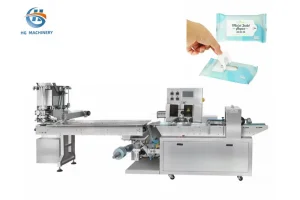
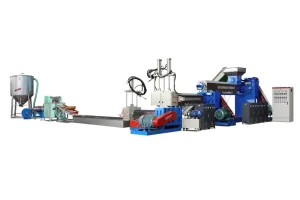
We coordinate the entire supply chain, delivering auxiliary equipment including scrap recycling systems, inline fabric slitting, multi-color flexo printing, film lamination, and automated bag-making machines.
Our commitment continues long after commissioning. We offer thorough on-site operator training, digital system diagnostics, and a comprehensive 24-month warranty support cycle backed by our global service dispatch teams.
Configured for diverse product ranges, fabric weights, and high-volume outputs.
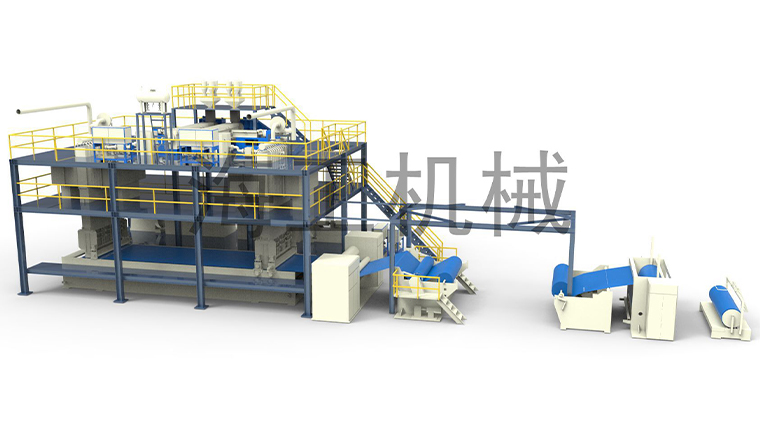
Engineered for high-volume shopping bags, furniture lining, and basic agricultural protective webs.
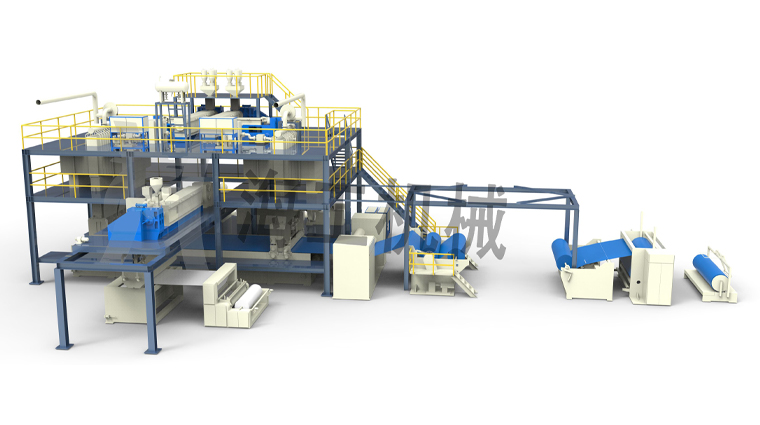
Integrates dual spunbond beams with an intermediate meltblown beam for barrier and breathing properties.
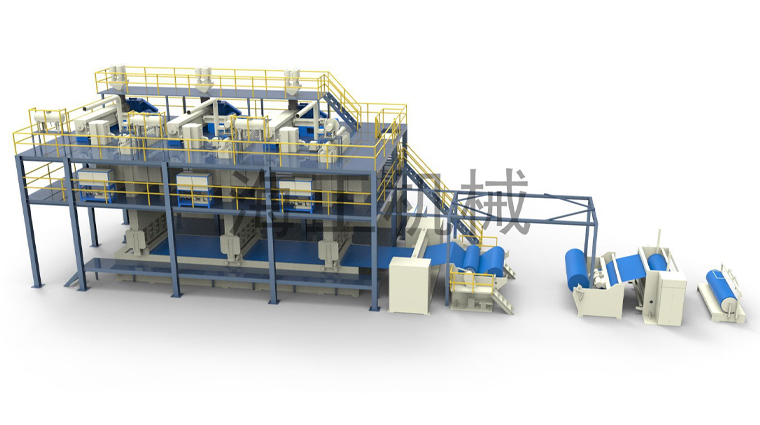
Four-layer system providing high filtration efficiency against bacteria and micro-particulates.
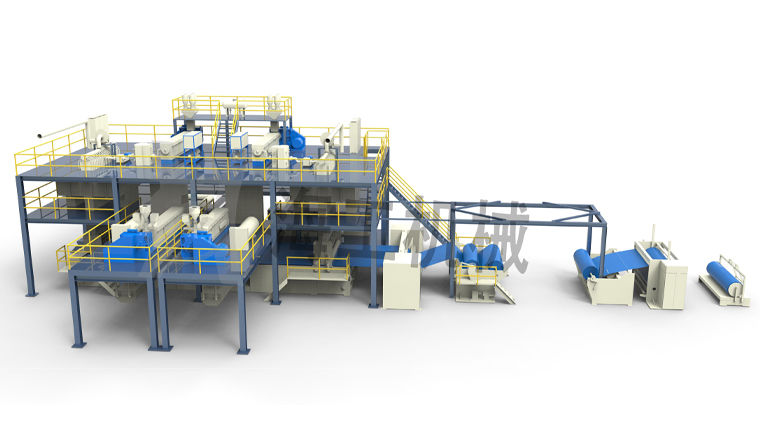
Delivers exceptional barrier features combined with high softness for baby diapers and surgical sheets.
Configure your production outputs to serve high-growth global commercial sectors.

Produce lightweight, skin-friendly fabrics for diapers, sanitary towels, and incontinence products with optimal fluid management and softness.
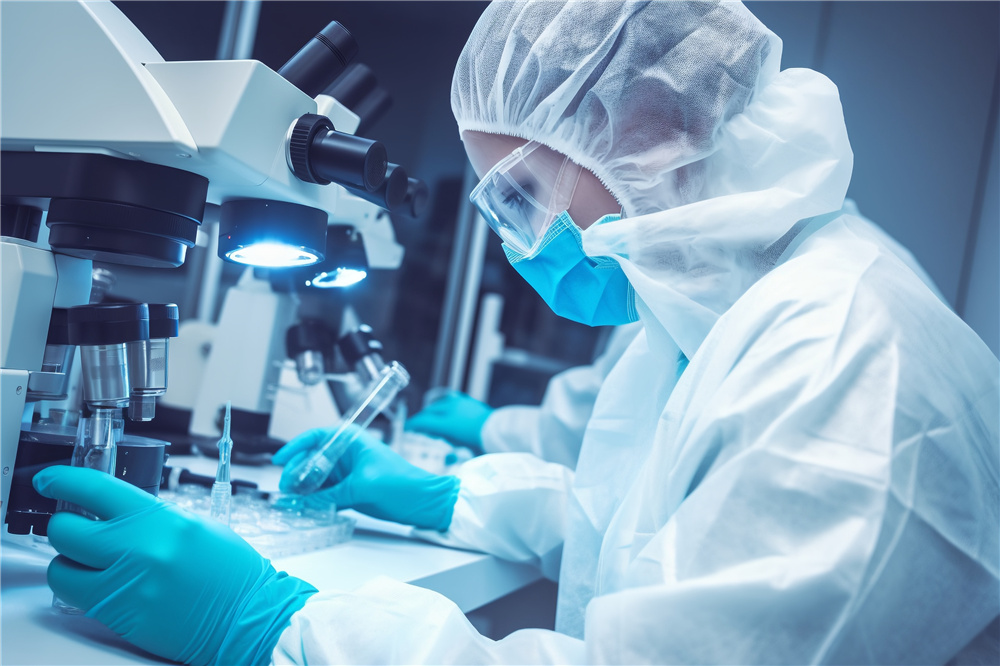
Ensure critical filtration and liquid resistance to manufacture high-grade surgical face masks, sterile gowns, and medical bed sheets.

High tensile strength, durable, and reusable fabrics optimized for retail shopping bags, pharmaceutical wraps, and garment bags.
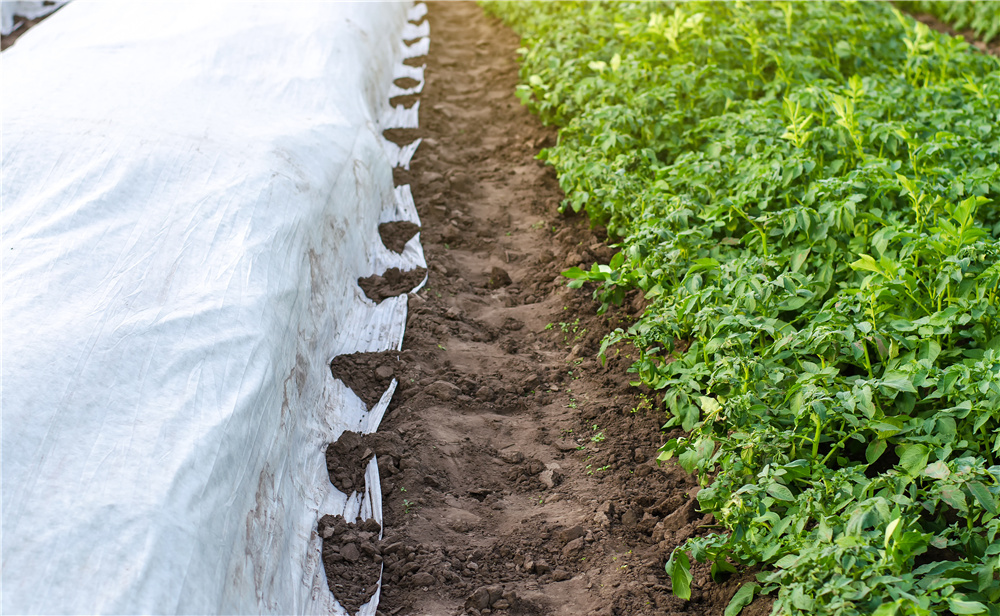
Permeable UV-stabilized covers to create a microclimate for crops, providing frost, pest, and wind protection while allowing water flow.
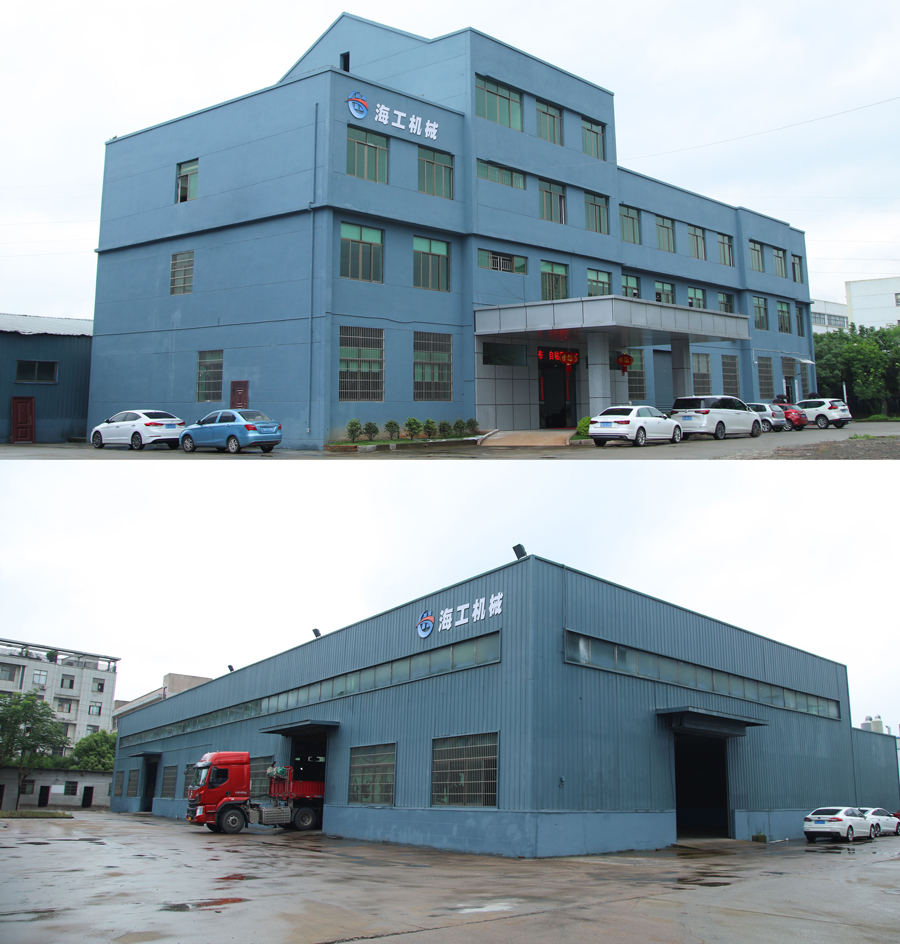
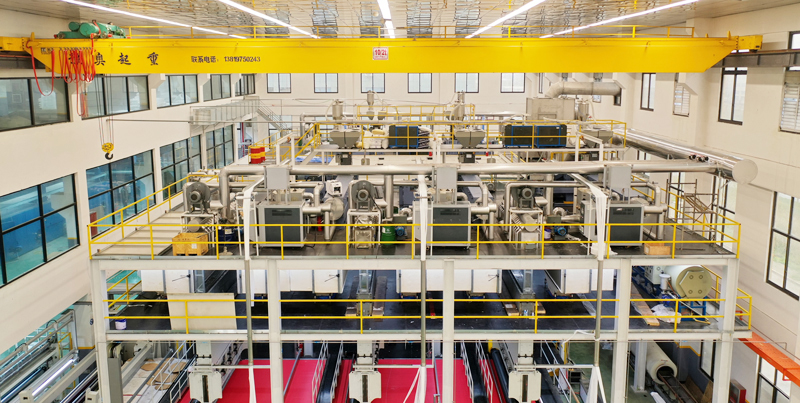
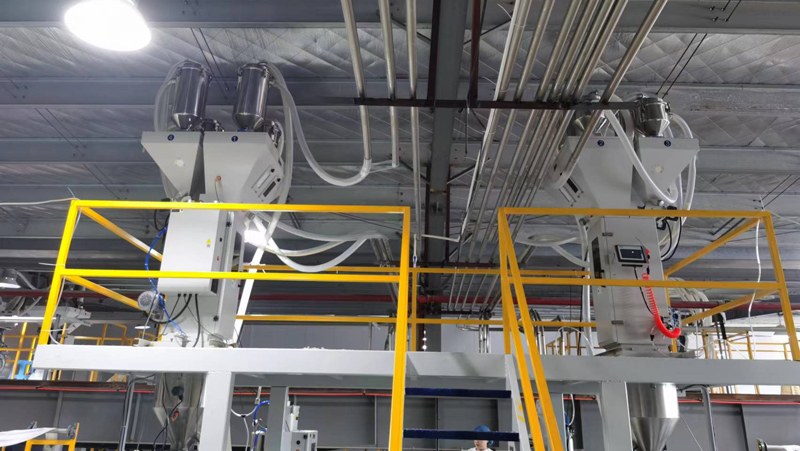
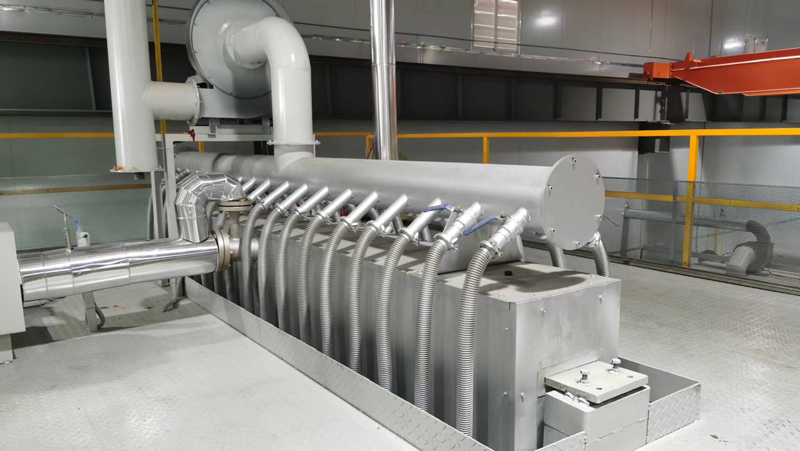
Comprehensive engineering integration, showing raw component machining to complete line installation.
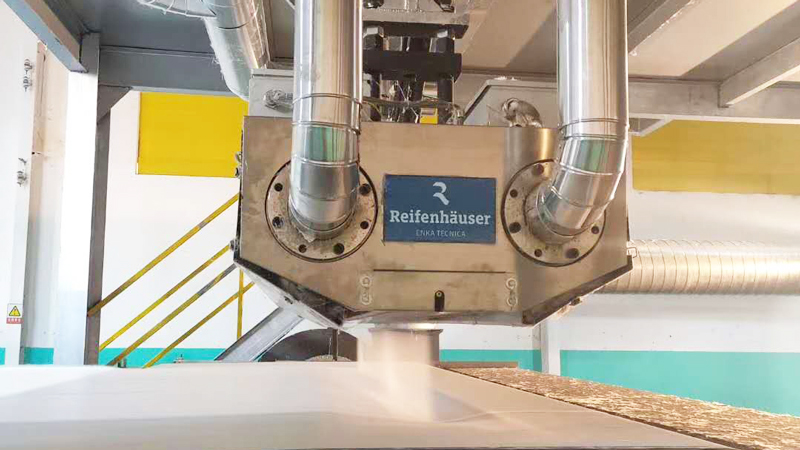
Deep-dive whitepaper analysis on the market structure and technical factors driving industrial growth.
The production of nonwoven materials has transitioned from localized, low-output operations to highly integrated industrial parks. Historically, Western markets dominated technical textile manufacturing. However, over the past decade, manufacturers in China, India, and Southeast Asia have upgraded their capabilities. The primary driver of this shift is the deployment of multi-beam composite configurations (SMS, SMMS, SSMMS) that address complex filtration requirements.
In terms of supply chain logistics, high energy and raw material costs are major challenges. This makes thermal efficiency a critical design parameter. Modern 5th Generation spunbond machines feature smart air-induction drawing designs that lower electricity usage per metric ton of material produced, enabling operators to maintain competitive unit economics.
The competitive advantage of Chinese manufacturers goes beyond low labor costs. It is rooted in complete industrial ecosystem clusters. In regions like Zhejiang and Jiangsu, machine manufacturers operate in close proximity to specialized metallurgy providers, precision tooling suppliers, and controls engineers.
This concentration allows HG Nonwoven Machinery to source high-quality components, perform structural stress testing, and construct massive systems in short timeframes. B2B buyers benefit from reduced lead times, competitive capital expenditure (CapEx), and comprehensive turnkey integration. Our equipment features high-performance components, including PLC systems and premium motors, ensuring long-term operational reliability.
The nonwoven industry is focusing heavily on sustainability. Major brands are adopting biodegradable resins like Polylactic Acid (PLA) and polybutylene succinate (PBS). Processing these green resins requires precise temperature profiles and screw geometries, as they behave differently than standard Polypropylene.
HG's latest extrusion designs feature multi-zone barrel heating and customized screw profiles to process bio-resins with minimal material degradation. Furthermore, integration with modern PLC systems enables closed-loop control over basis weight (GSM) deviations, automatically adjusting conveyor speed based on thickness readings.
Addressing the technical, operational, and financial queries of international procurement managers.
SMS lines combine two spunbond layers (mechanical strength) with one meltblown layer (filtration). SMMS adds a second meltblown layer, doubling the barrier path. This design increases filtration efficiency and liquid resistance, making SMMS fabric ideal for medical applications like surgical gowns and sterile drapes, where protective barriers are critical.
The 5th Generation technology features optimized slot-drawing channels that require less high-pressure air to accelerate filaments. Additionally, it integrates premium high-efficiency motors, thermal insulation blankets on the extruders, and waste heat recovery systems. These upgrades combine to reduce energy consumption by 15% to 20% compared to older systems.
Yes. HG Nonwoven Machinery designs custom extrusion screws and precise multi-zone thermal controls to handle PLA. Since PLA is highly hydroscopic and has a lower melting point than PP, we configure specialized pre-crystallization and dehumidifying systems to ensure smooth extrusion.
Depending on configuration and width (typically 1.6m to 3.2m), manufacturing takes between 5 to 7 months. On-site installation, commissioning, calender calibration, and crew training require 30 to 45 days, managed directly by our dispatch team.
Our feasibility analysis covers raw material supply, local market demand by GSM ranges, local utility costs (power, water, compressed air), labor rates, and shipping logistics. This data helps buyers calculate operating expenses (OPEX), margins, and project payback periods.
We use high-precision metering pumps and advanced slot-die flow designs. The web-former features adjustable section suction chambers, keeping basis weight (GSM) variation under 3%. This consistent profile ensures uniform fabric performance and quality.
Continuous operations require daily filter screen inspection, weekly cleaning of the suction box, and monthly calendar oil checking. Spinneret cleaning and die maintenance should occur every 3 to 6 months. HG provides a comprehensive maintenance manual and offers remote support via digital diagnostic gateways.
Complete your production setup with specialized high-speed lines, recycling systems, and downstream conversion machinery.
 HG NONWOVEN