China PP Spunbond Nonwoven Fabric Making Machine for High Efficiency production Supplier, Suppliers

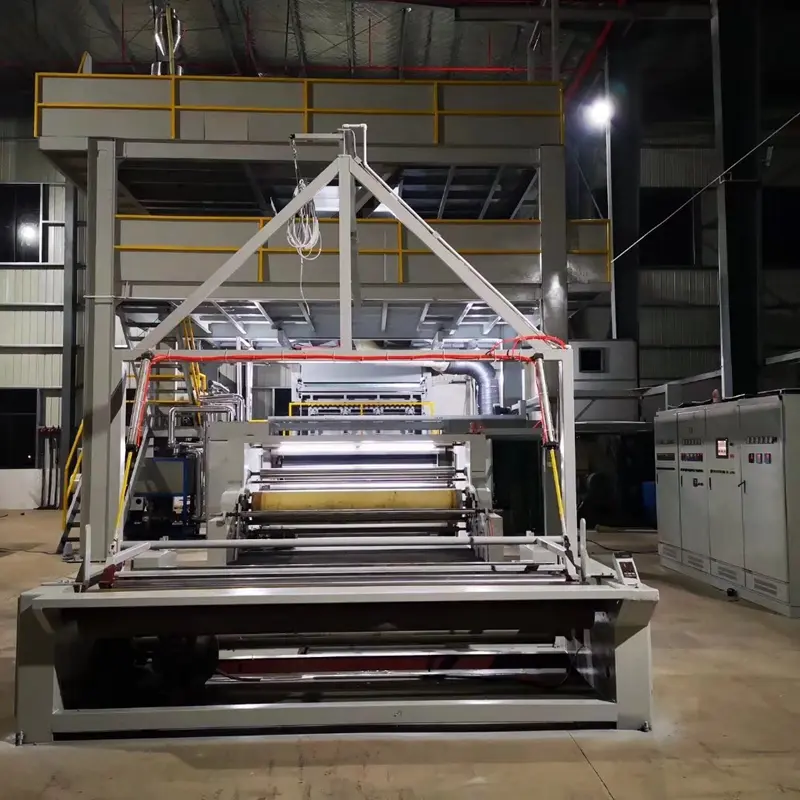
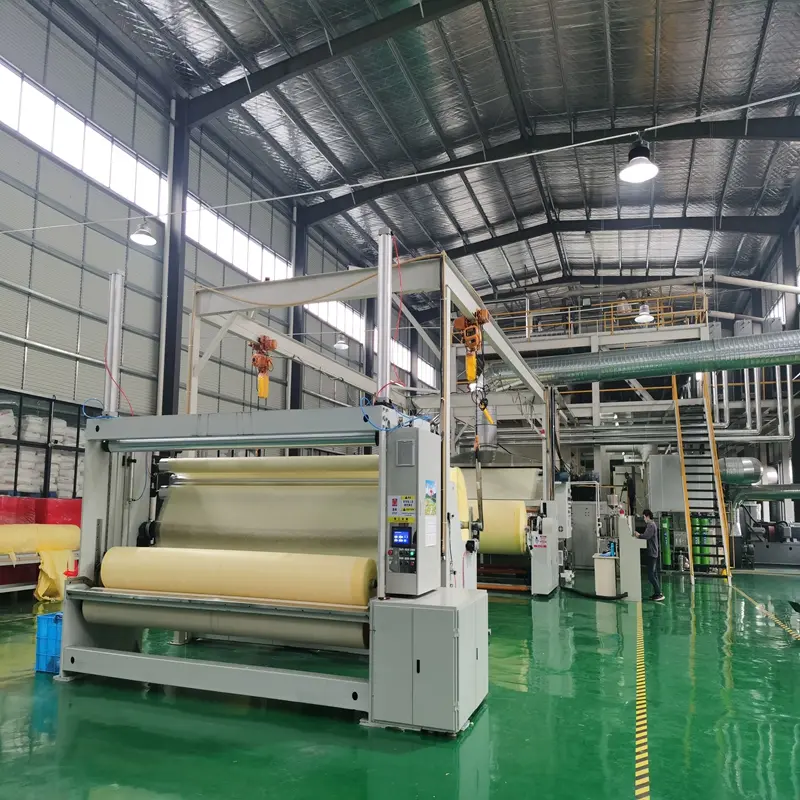
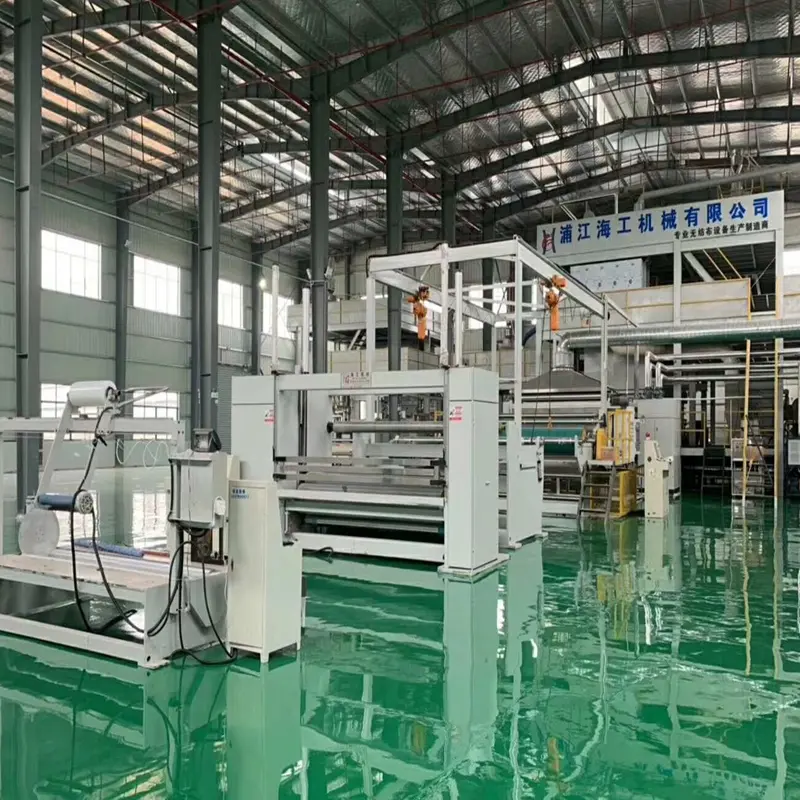
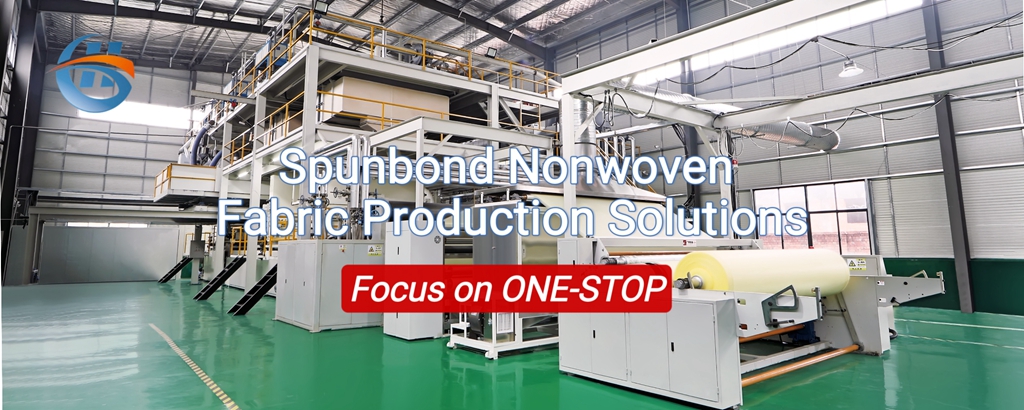
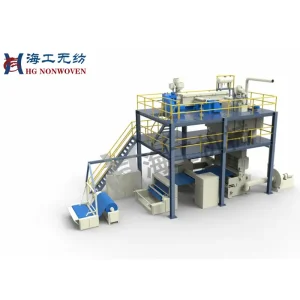
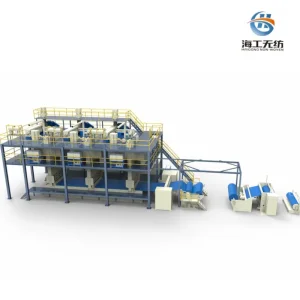
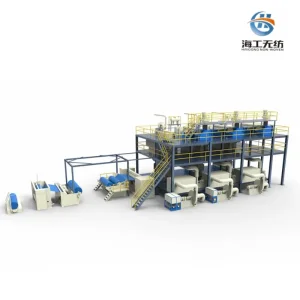
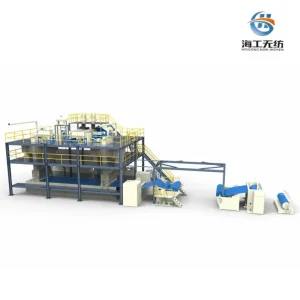
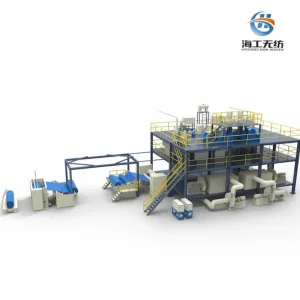
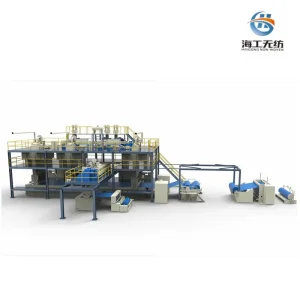
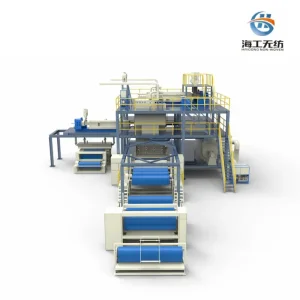
The PP Spunbond Nonwoven Fabric Making Machine is a complete production line designed for the efficient manufacturing of PP spunbond nonwoven fabrics. Utilizing high-quality polypropylene granules as raw material, this advanced machine employs the latest spunbond technology to produce continuous filaments that are converted into fabric webs, As a key component in the production of Spunbond Nonwoven Fabric (S), this machine stands out as one of the most widely utilized nonwoven fabric manufacturing solutions available today. The single spinning head (S) machine is recognized for its simplicity, cost-effectiveness, and high efficiency, making it ideal for producing a variety of standard, single-layer spunbond nonwoven fabrics, Designed for manufacturers focusing on large-volume and price-sensitive markets, the HG-1600S/2400S/3200S spunbond nonwoven machine is tailored to meet functional fabric requirements while maintaining a uniform structure. This versatile machine can produce spunbond nonwoven fabrics with maximum widths of 1600mm, 2400mm, and 3200mm, accommodating a range of specifications from 10 to 200 GSM, Choose our PP Spunbond Nonwoven Fabric Making Machine for reliable, high-quality production that meets the demands of today's fast-paced textile markets

Product Description

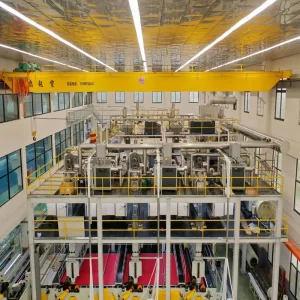
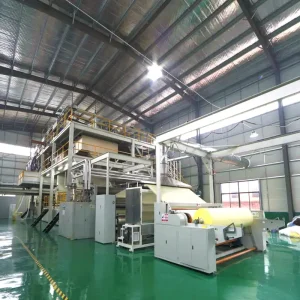
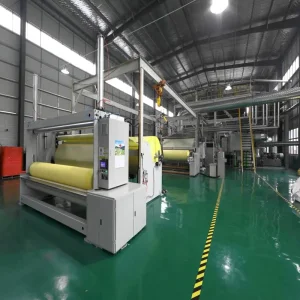
nonwoven fabric machine
Single spinning head (S) nonwoven machine is characterized by its simplicity, cost-effectiveness, and high efficiency in producing a wide range of standard, single-layer spunbond nonwoven fabrics. It is the ideal solution for manufacturers targeting large-volume, price-sensitive markets where the functional requirements of the fabric can be met by a homogeneous structure. HG-1600S/2400S/3200S spunbond nonwoven machine can produce the max width of 1600mm/2400mm/3200mm spunbond nonwoven fabric 10-200GSM.
Specification HG-1600S HG-2400S HG-3200S
Output capacity (kgs) 4tons/day 6tons/day 10tons/day
Power Consumption(kW) 250kw 320kw 400kw
Machine Width(mm) 1.6m 2.4m 3.2m
Production Speed (m/min) 10-200m per min 10-200m per min 10-200m per min
Nonwoven fabric Thickness(GSM) 8-200GSM 8-200GSM 8-200GSM
Machine dimension(L*W*H) 20*7*11M 20*8*11M 20*10*11M
Typical Applications
Agriculture
Crop covers, weed control fabric, plant protection.
Geotextiles
Soil stabilization, erosion control, drainage layers.
Packaging
Wrapping, shopping bags, durable goods covers.
Furniture & Bedding
Spring insulators, quilt backing, mattress.
Key Processing Zones of a Spunbond Machine
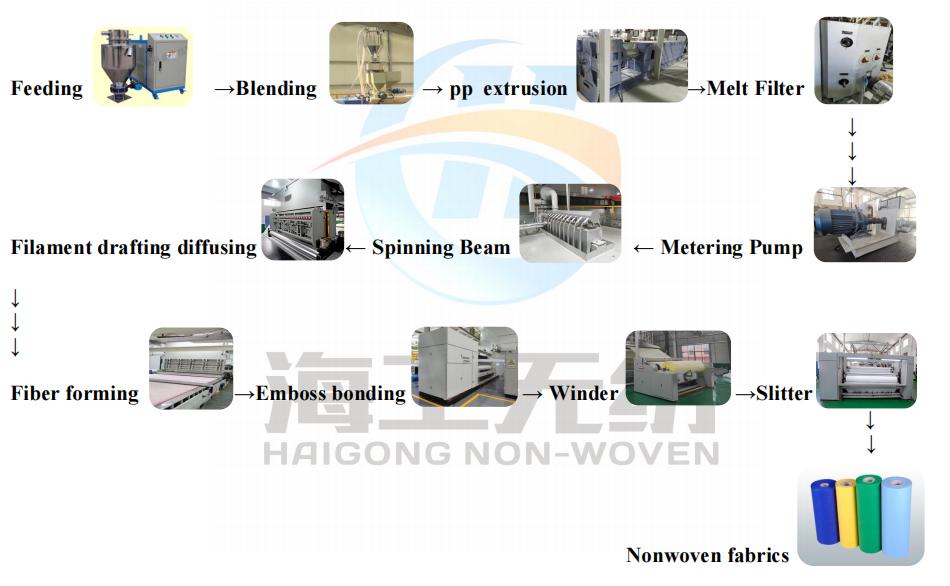
1 Raw Material Feeding & Extrusion System
PP chips & Additives (color masterbatch) are fed into the system. They are melted in the extruder using heated barrels and a rotating screw.
2 Melt Pump & Spinning Beam (Spin Pack/Spinneret)
The melt pump provides precise, constant pressure to push the molten polymer forward, ensuring consistent filament thickness. The molten polymer is forced through the spinneret—a metal plate with a lot of fine holes. This action forms continuous molten polymer filaments.
3 Filament Quenching & Drawing System
As the filaments exit the spinneret, cool air is blown across them in the quenching chamber to solidify them. The solidified filaments are then stretched (drawn) by high-speed air jets in the air drafter. This step is critical as it aligns the polymer molecules, increasing the filament's strength and reducing its diameter.
4 Web Formation & Suction Unit
The high-velocity air from the drafter carries the filaments and randomly scatters them onto a moving, perforated forming belt. A suction unit underneath the belt pulls the air through, helping the filaments to lie down in a uniform, random web. The randomness is key to the fabric's isotropic strength (similar strength in all directions).
5 Thermal Bonding (Calender bonding)
The web passes through heated steel rollers (calenders). One or both rollers are engraved with a pattern (e.g., points, diamonds). Under heat and pressure, the filaments fuse together at these contact points. This produces a thin, strong, and relatively flat spunbond nonwoven fabric.
6 Winding & Slitter
The finished fabric is automatically wound into large jumbo rolls. An inline slitter trims the edges and can slit the wide web into narrower rolls as required by the customer.
NONWOVEN MACHINERY
Frequently Asked Questions (FAQ)
Q1: What are the main specifications of the HG-1600S, HG-2400S, and HG-3200S machines?
A1: These machines offer maximum fabric widths of 1.6m, 2.4m, and 3.2m respectively. The daily output capacities are 4 tons for HG-1600S, 6 tons for HG-2400S, and 10 tons for HG-3200S.
Q2: What thickness and production speeds can these machines achieve?
A2: The nonwoven fabric thickness range is 8-200GSM (or 10-200GSM for standard production), and the machines can run at a production speed of 10 to 200 meters per minute.
Q3: What are the typical applications of spunbond nonwoven fabrics?
A3: The fabrics are widely used in agriculture (crop covers, weed control), geotextiles (soil stabilization, drainage), packaging (wrapping, shopping bags), and furniture & bedding (spring insulators, mattress linings).
Q4: How does the thermal bonding system function in the production line?
A4: The web passes through heated steel calender rollers (engraved with patterns). Under heat and pressure, the filaments melt and fuse together at contact points to form a strong, flat fabric.
Q5: Why is the suction unit underneath the forming belt important?
A5: The suction unit pulls air through the moving belt, helping the extruded filaments to lie down randomly and uniformly, which ensures the fabric has consistent, multi-directional strength.
Q6: What raw materials are processed by the feeding and extrusion system?
A6: The system processes PP (polypropylene) chips alongside additives like color masterbatch, melting them under heat inside the extruder barrels using a rotating screw.

Related Products