Explore our cutting-edge machinery designed to achieve optimal filtration, tensile strength, and production efficiency.
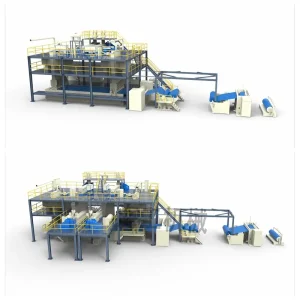
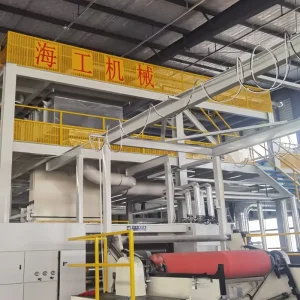
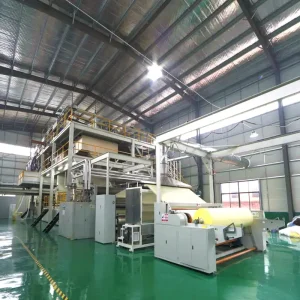
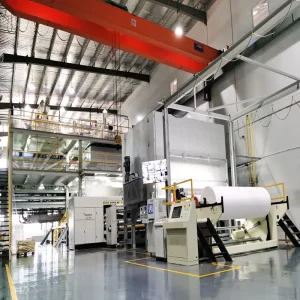
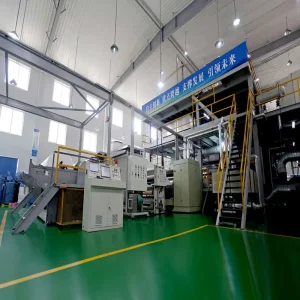
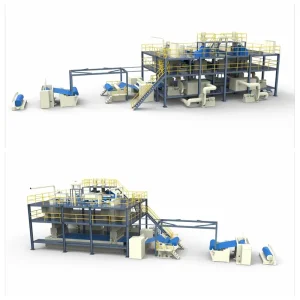
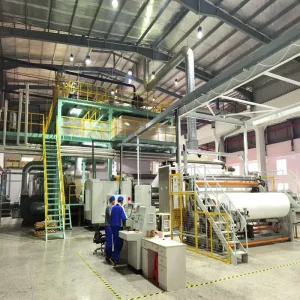
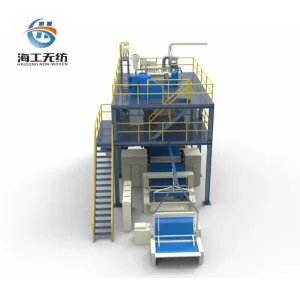
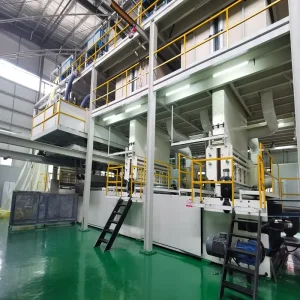
Pujiang HG Nonwoven Machinery has been a recognized pioneer in the nonwoven fabric machinery manufacturing landscape since 2014. We specialize in delivering high-performance, eco-friendly, and highly customized PP spunbond and meltblown nonwoven fabric production lines with comprehensive, turn-key engineering services.
By introducing and optimizing the 5th Generation spunbond spinning technology concepts from overseas, we integrate local manufacturing expertise to meet evolving market dynamics. Our machines provide the ideal balance between simplified operations, optimal floor utilization, minimized power consumption, and low long-term operational costs.
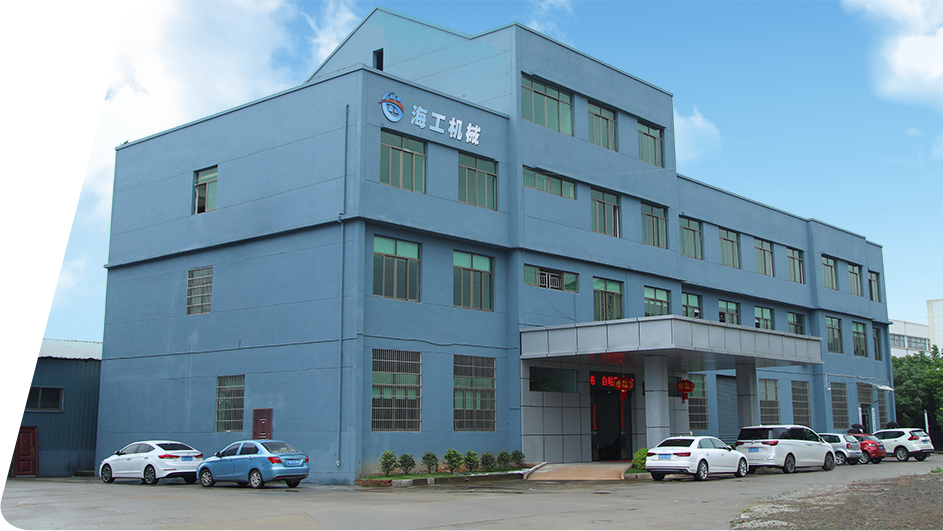
A comprehensive analysis of polymer processing, smart factories, and sustainability within the global nonwoven manufacturing ecosystem.
The global demand for nonwoven fabrics has undergone a structural transition. No longer treated as simple disposable materials, modern nonwovens must meet precise engineering specifications. Advanced industrial applications require spunbond and meltblown fabrics that exhibit specific mechanical and barrier properties.
With the rapid expansion of medical security, sanitary engineering, and high-performance packaging industries, properties such as high hydrostatic head pressure, low delta P (air permeability resistance), and superb tactile comfort have become baseline requirements. This shift highlights the importance of choosing manufacturers with deep expertise in multi-beam technology, including SMS, SMMS, and SSMMS setups.
China's manufacturing ecosystem has evolved far beyond basic assembly lines. By incorporating intelligent SCADA controls, automated recipe management, and high-precision spinneret fabrication, domestic plants like HG Nonwoven Machinery deliver superior performance with optimized CAPEX (Capital Expenditure).
Our facility integrates advanced domestic components with high-end international design standards. This localization reduces structural engineering costs while maintaining raw material purity. Through this approach, we achieve a significant reduction in power consumption, ensuring that our customers remain highly competitive in cost-sensitive markets.
"High quality and good service are our guiding tenets. By choosing to work with HG Nonwoven Machinery, you secure a long-term partner dedicated to establishing production facilities that are stable, reliable, and prepared for future ecological regulations."
To produce high-quality nonwoven webs, a systematic understanding of the entire extrusion process is required. High-grade polypropylene (PP) chips with a target Melt Flow Rate (MFR) are melted, filtered, and forced through spinnerets to produce continuous filaments. These filaments are then stretched under high-speed cooling air flows (the quench system) to achieve the desired orientation and tensile strength.
Our 5th Generation Spinning Technology optimizes the design of the spin pack and slot drawing system. This maintains uniform filament distribution across the entire web width (from 1600mm up to 3200mm). Consequently, users can produce fabrics with minimal Gram-per-Square-Meter (GSM) variation, which is critical for medical gowns and high-end filter media.
Comprehensive, one-stop solutions designed to optimize your manufacturing output from conceptualization to global distribution.
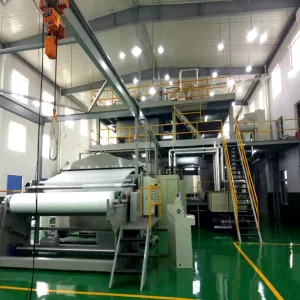
We concentrate solely on advanced nonwoven fabric making machines, ensuring our technologies integrate the latest heating, spinning, and draw systems for maximum operational efficiency.
We provide localized market analysis and economic models, helping you forecast raw material costs, energy budgets, and ROI before finalizing your plant investment.
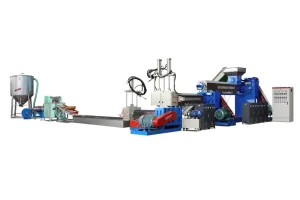
Beyond our primary extrusion lines, we supply auxiliary components including edge-trim recycling systems, slitting machines, flexo printing units, and fully automated bag-making devices.
Our experienced support engineers provide on-site commissioning, operator training, and remote digital diagnostics, backed by a comprehensive 24-month warranty.
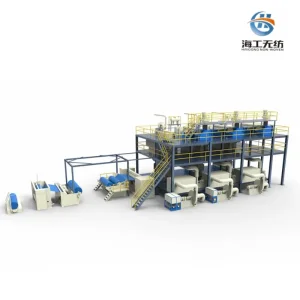
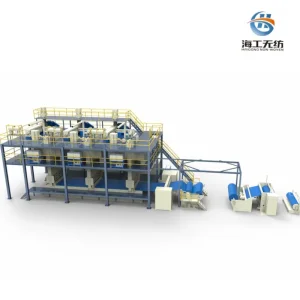
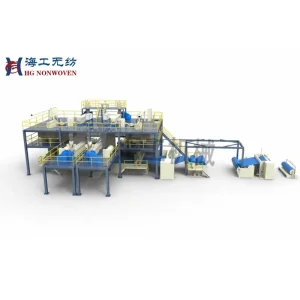
Select the optimal configuration to match your targeted market segments, from simple packaging webs to advanced surgical barriers.
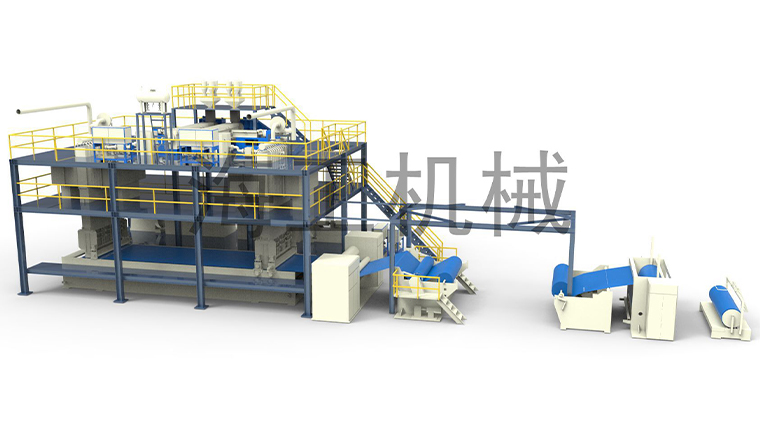
Ideal for shopping bags, home furniture interlinings, and protective agricultural crop covers.
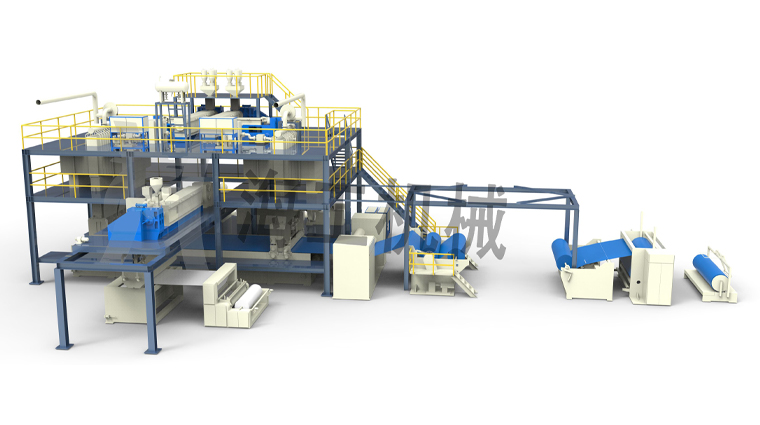
Delivers a balanced solution for medical apparel, isolation gowns, and feminine hygiene components.
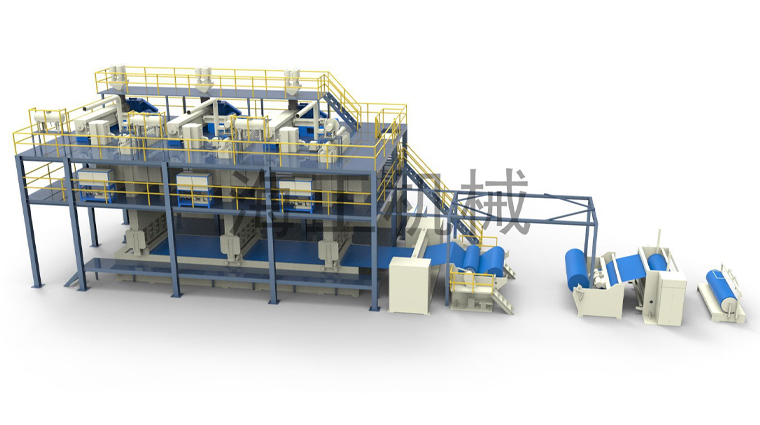
Features dual meltblown beams, offering significantly higher filtration efficiency compared to standard SMS fabrics.
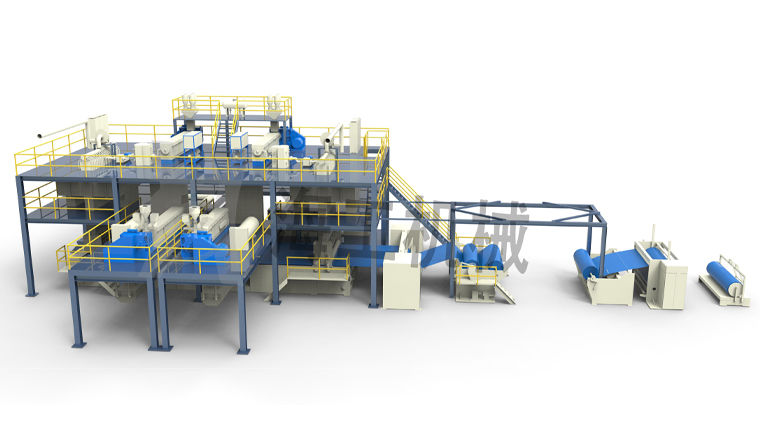
Designed for premium comfort, softness, and maximum barrier protection for critical medical environments.
Our production lines are engineered to meet the stringent standards of diverse, high-growth industries worldwide.
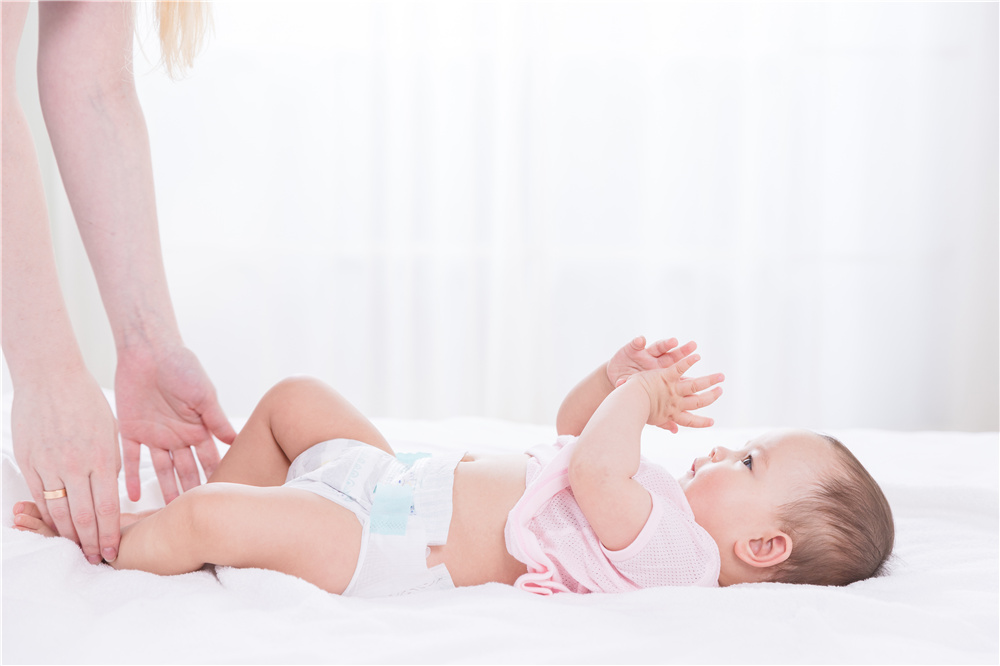
Nonwoven fabric is essential in the hygiene sector, offering breathability, softness, and excellent fluid management for comfort and protection. It quickly absorbs liquid and keeps it away from the skin, making it ideal for paper diapers, incontinence pads, and feminine hygiene products.
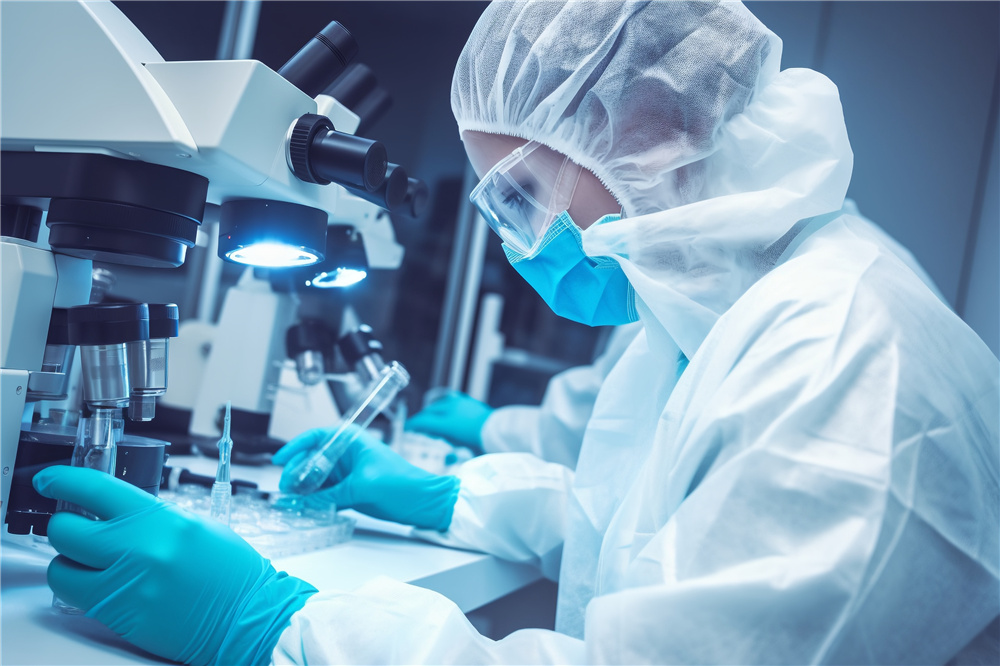
Nonwovens fabrics are extensively used in the medical field and in protection against biological agents in other sectors. They deliver critical safety properties, such as prevention against infections and diseases. They are essential for making face masks, surgical gowns, bed sheets, and surgical towels, ensuring effective filtration, protection, and comfort.
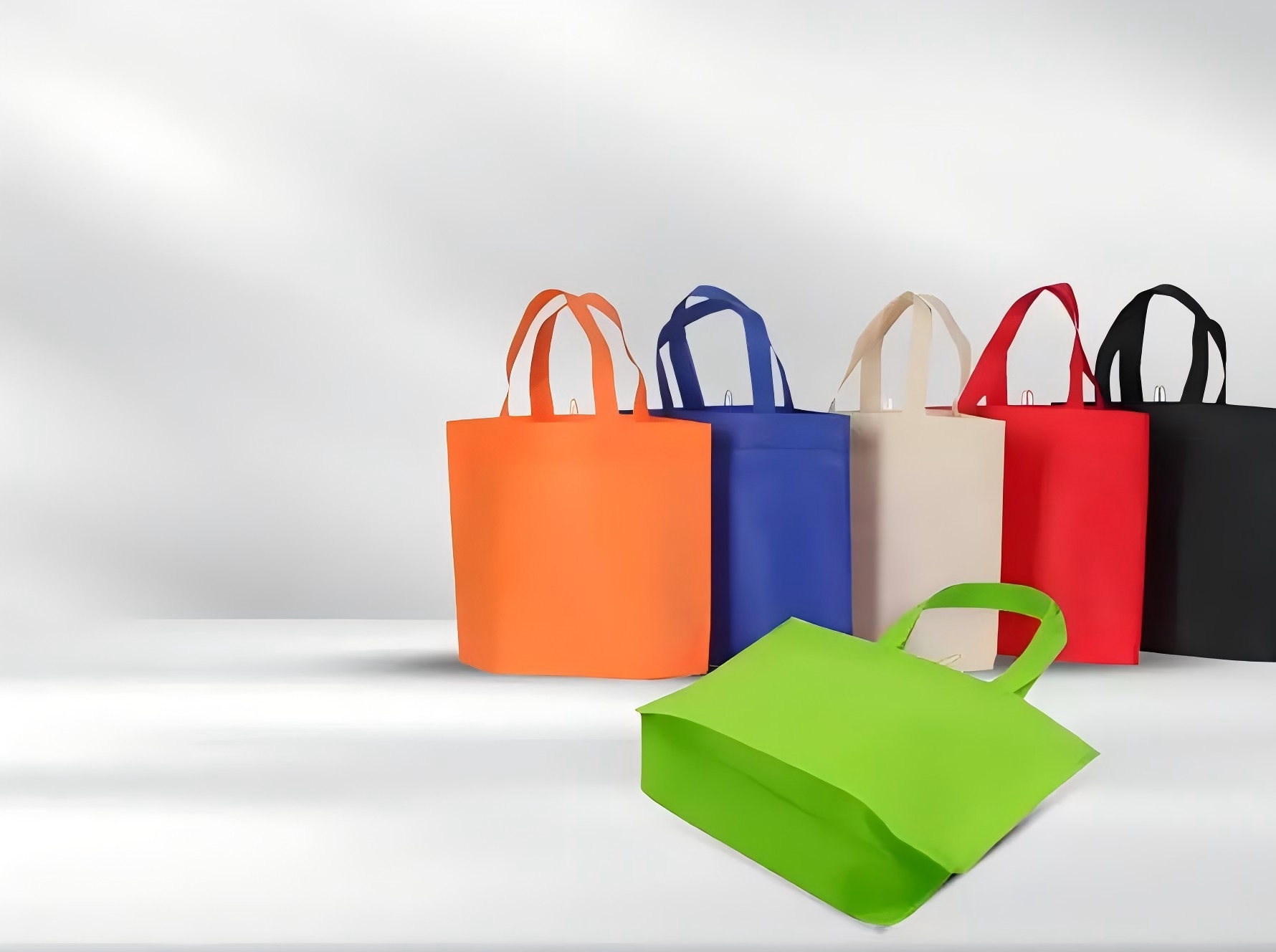
Nonwoven fabric is ideal for a variety of packaging end-uses, as their exceptional lightweight, their energy-efficient production, shipping and storage, and their long life and robustness allow for two important features: volume reduction and re-usability. It is widely used for shopping bags, fruit bags, garment bags, rice bags, pocket springs, garment interlining, as well as packaging for pharmaceuticals and cosmetics, among other applications. Its versatility and long lifespan contribute to its popularity in various industries.
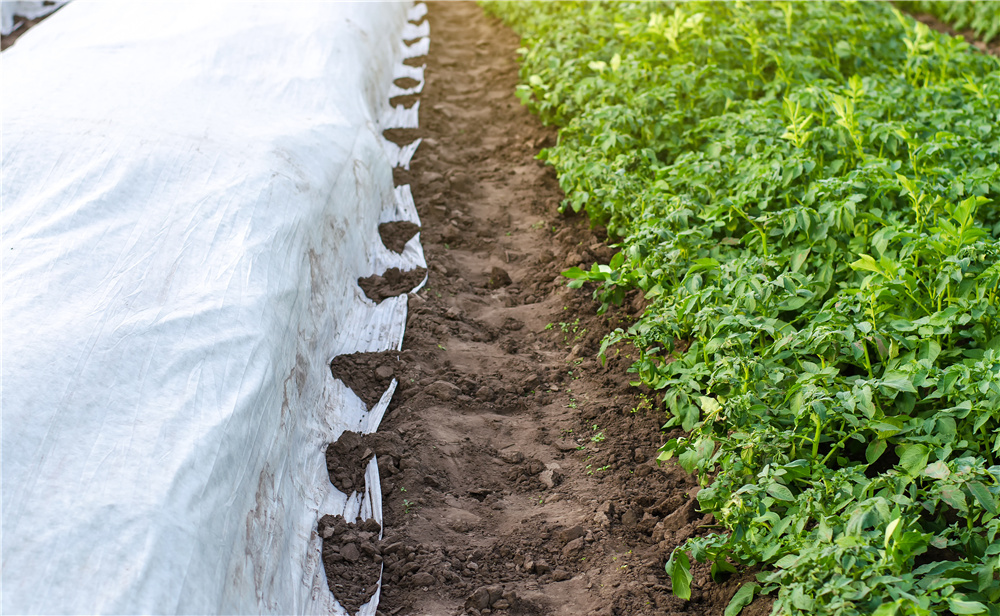
Agriculture Non Woven Fabric allow air and water to pass through while providing wind and cold protection by generating a microclimate around the crop. Furthermore, because nonwoven works as a physical protection media, it can assist prevent damage to crops, vegetables, and seeds from insects and birds. Nonwoven materials can assist regulate heat, UV blocker agriculture, while also providing superior air and water permeability. These materials are lightweight, portable, and may be tailored to match specific needs and provide specific services.
A guide to matching technical line configurations with target commercial applications to optimize long-term operational success.
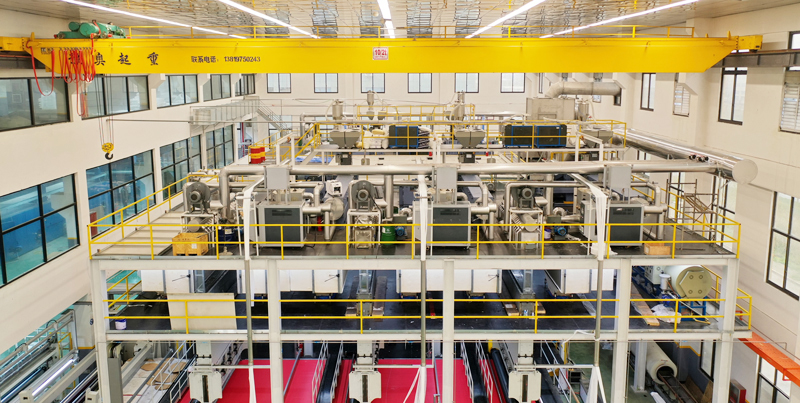
When investing in nonwoven machinery, selecting the proper configuration determines both your target market and your ongoing operational margins. Single-beam (S) lines are highly efficient for producing high-volume packaging materials, agricultural fabrics, and basic protective sheets where cost is the primary factor.
For applications requiring enhanced barrier properties, multi-beam lines like SS and SSS offer improved web uniformity and tensile strength at lower basis weights.
In high-end hygiene and medical markets, composite lines such as SMS, SMMS, and SSMMS are essential. These setups incorporate meltblown beams that extrude ultra-fine microfibers. These microfibers form a dense filtration layer that blocks liquid and airborne pathogens, while the outer spunbond layers provide structural strength and softness.
Our engineering services assist with layout design, utility planning, raw material storage, and installation logistics, helping to streamline the transition to full-scale production.
HG production lines utilize optimized airflow designs and high-efficiency drives to help lower energy usage, reducing your overall cost per ton of finished fabric.
Our extrusion lines support biodegradable PLA blends and recycled PP resins, helping your facility adapt to changing environmental standards and circular economy initiatives.
Detailed answers to key engineering and procurement questions for modern nonwoven production lines.
Explore further configurations, single-beam options, and recycling machinery to optimize your plant's operational workflow.
 HG NONWOVEN