High-efficiency extrusion technologies built to lower operational expenditure and deliver uniform physical properties across all fabrics.
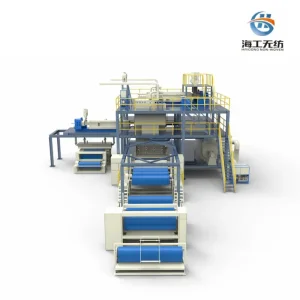
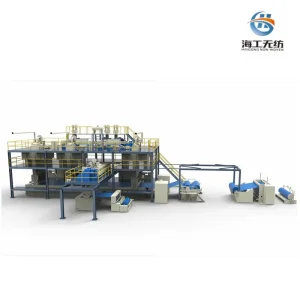
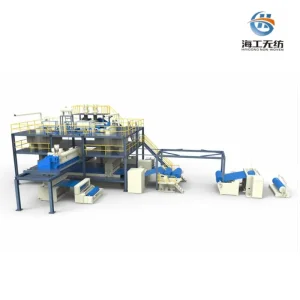
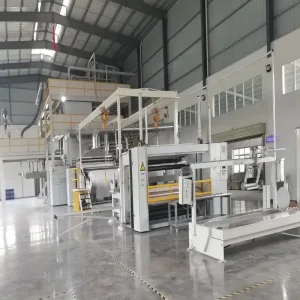
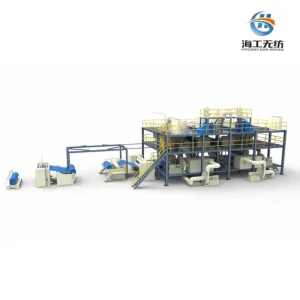
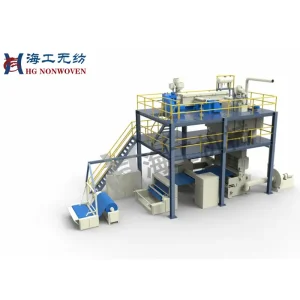
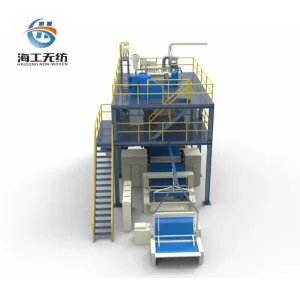
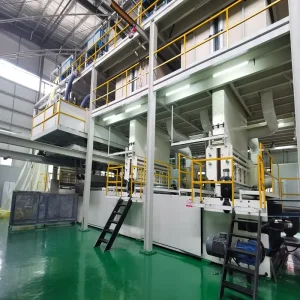
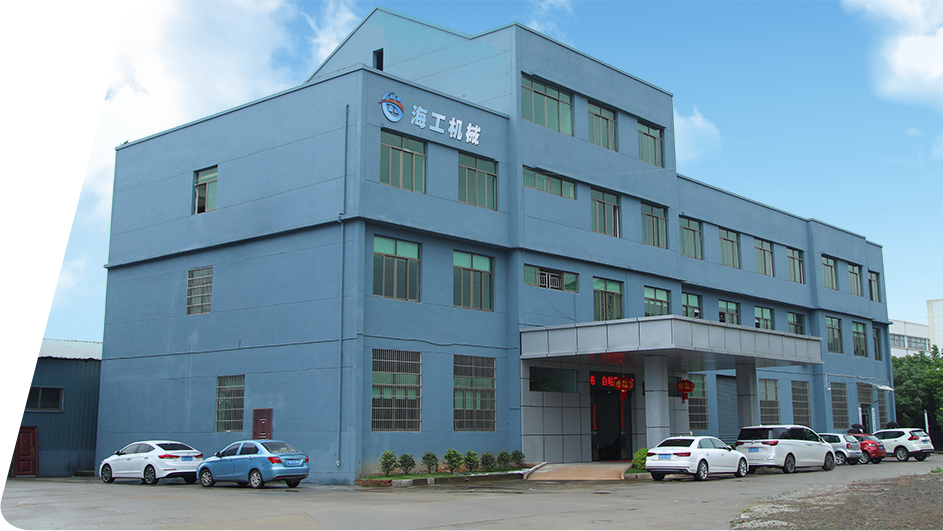
Founded in 2014, Pujiang HG Nonwoven Machinery has established itself as an authoritative leader in designing, manufacturing, and deploying PP spunbond, meltblown, and composite nonwoven fabric production lines. With our technical leadership extending over 20 years, we focus on delivering highly automated, high-efficiency, eco-friendly, and sustainable production technologies to help global enterprises stand out in highly competitive markets.
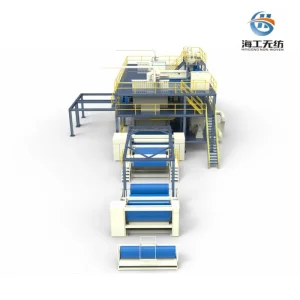
Our technology incorporates advanced design concepts—most notably our 5th Generation spunbond spinning technology. This structural framework reduces energy consumption, utilizes workspace economically, and minimizes waste. By coupling intelligent mechanical engineering with a deep commitment to green manufacturing, we enable global plants to produce premium fabrics at low operational costs.
An authoritative guide to modern high-speed extrusion lines, multi-beam integration, and energy-saving designs.
HG's proprietary 5th-generation spinning systems represent a paradigm shift in fiber extrusion and web formation. Traditional spunbond machinery suffers from thermal losses and uneven drafting speeds, which lead to variable tensile strength in the cross-machine direction (CD). Our 5th Gen solution utilizes an advanced monomer suction and quenching air system to achieve hyper-uniform fiber distribution.
By optimizing the spinneret L/D ratio and integrating dynamic slot drafting, the machine line guarantees fiber diameters below 1.5-2.0 denier. This yields nonwoven fabrics with higher tensile strengths, isotropic elongation ratios, and exceptionally soft surface textures—key parameters for premium medical and hygiene converting lines.
For critical applications in medical barriers (such as surgical drapes and particulate masks), we engineer SMS, SMMS, and SSMMS composite lines. The integration of high-quality meltblown dies with sub-micron fiber capabilities (0.1 - 0.5 microns) ensures optimal particulate and bacterial filtration efficiency (BFE/PFE).
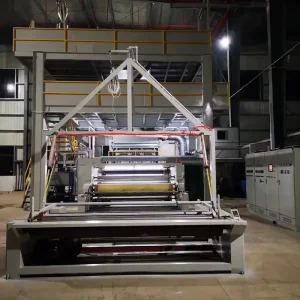
A precise calender control mechanism featuring custom-engraved rolls binds the spunbond and meltblown layers without crushing the micro-fibers, preserving both air permeability and barrier properties. Consequently, our multi-beam machines satisfy international standards like EN13795 and AAMI Levels 1-4.
Our system integrates frequency-inverter drives and efficient extruder barrel heating zones. These systems cut overall power consumption by 15-20% per ton of finished fabric compared to standard machinery.
Our online edge-trim recycling system continuously processes scrap back into the extrusion cycle. This closed-loop configuration maintains zero material loss while preserving raw material purity.
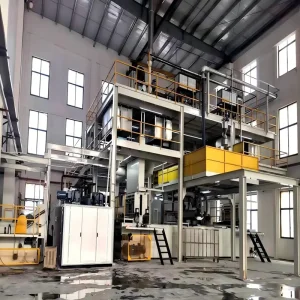
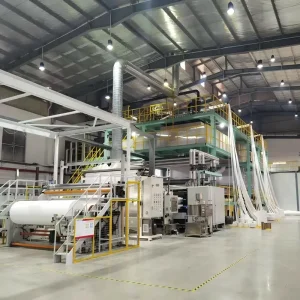
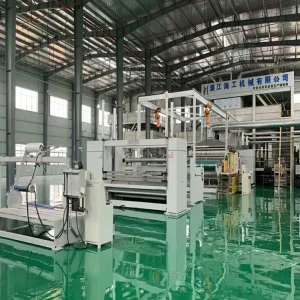
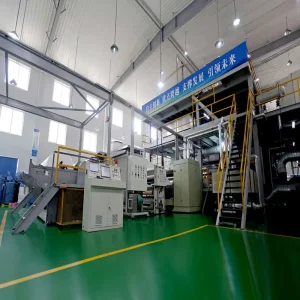
By compacting the structural frames, spinning beams, and drafting cabinets, our layouts reduce building construction costs and maximize plant floor utility.
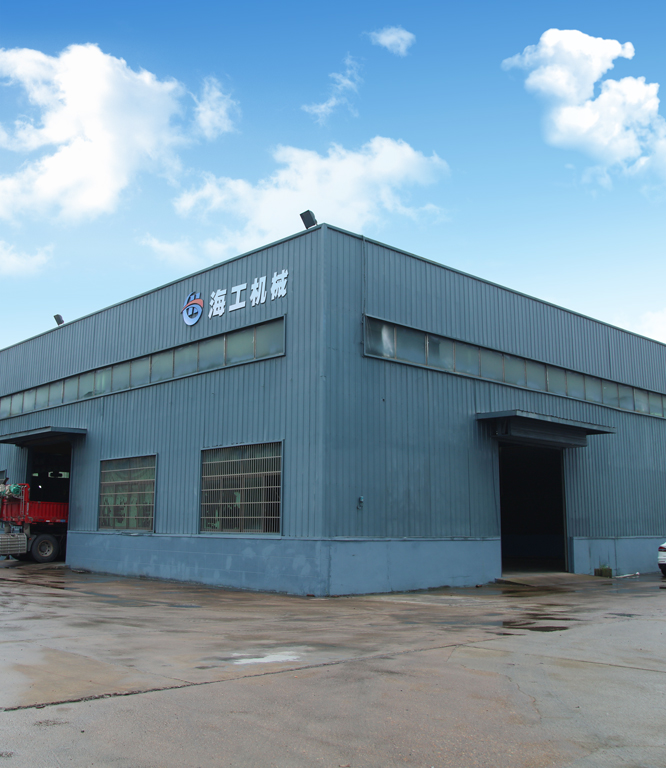
HG Nonwoven Machinery operates from the center of Zhejiang's advanced industrial manufacturing cluster. This strategic location provides our global customers with a complete value chain, sourcing top-tier raw materials, precision-machined rollers, heating elements, and intelligent automation systems.
Unlike many Western machinery producers with fragmented component sourcing, our facility utilizes local supply networks. This configuration helps us minimize production times and lower manufacturing costs. We pass these savings directly to our clients through competitive initial capital expenditure (CAPEX).
Furthermore, our proximity to major ports (such as Ningbo and Shanghai) simplifies shipping logistics. Whether transporting heavy components, custom extrusion lines, or spin beams, we coordinate deliveries to limit international shipping times and ensure seamless dock-to-factory freight.
Industry-proven machinery configurations delivering high speed, excellent reliability, and versatile fabric production capabilities.
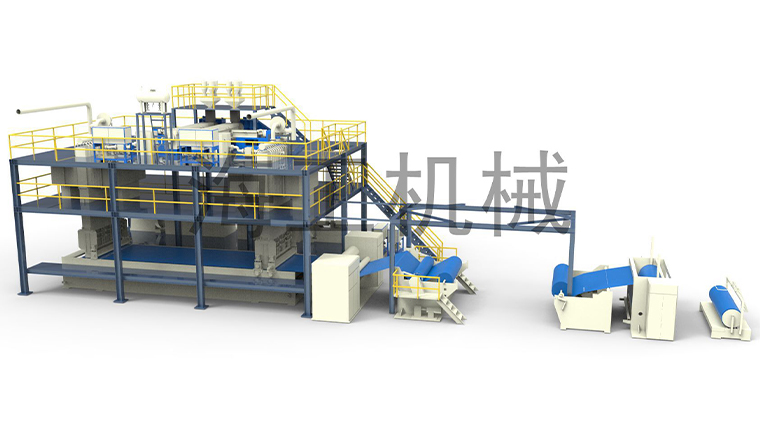
Ideal for packaging nonwoven bags, furniture backings, and agricultural crop covers.
View Details →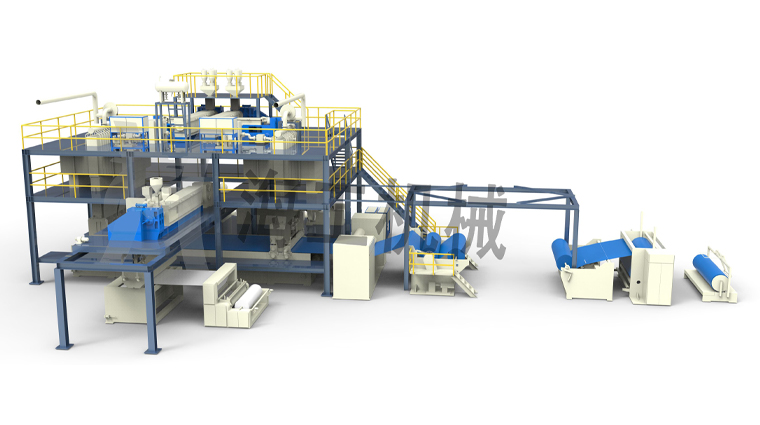
The gold standard for medical disposables, surgical gowns, and high-safety face masks.
View Details →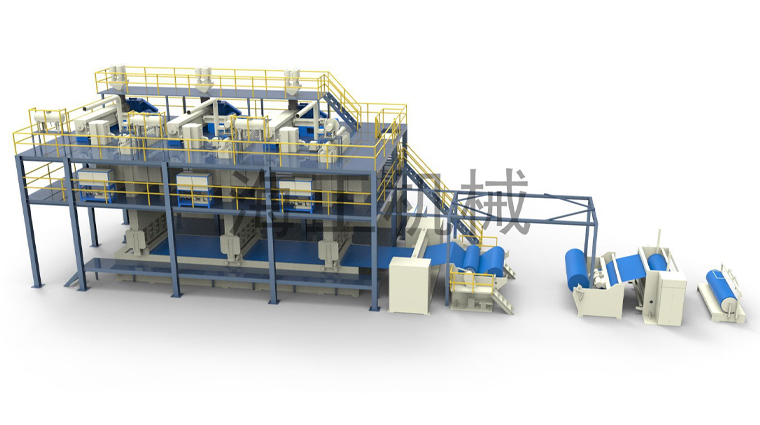
Features dual meltblown beams to provide higher filtration and barrier properties than standard SMS fabrics.
View Details →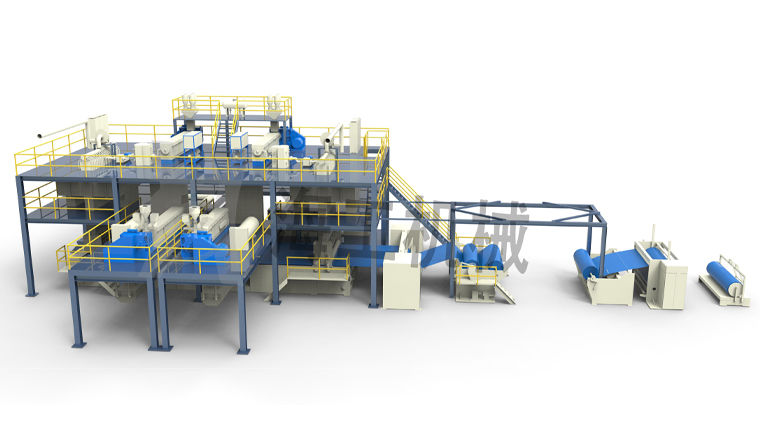
Delivers premium barrier protection while maintaining maximum softness and comfort for hygiene applications.
View Details →Key considerations to align capital investment with product requirements, raw materials, and plant capacities.
Ensure your extruder setup handles varying Melt Flow Index (MFI) resins. Our lines are engineered to process conventional Polypropylene (PP) alongside biodegradable polyesters (like PLA/PBAT) and recycled PP chips. This versatility helps safeguard your business against future raw material supply shifts.
Selecting the right bonding pattern—like diamond, oval, or custom cross-embossings—impacts the hand-feel, drape, and tensile profile of the nonwoven fabric. We offer customized calender configurations to align directly with your downstream converting requirements.
Industrial operations face rising labor costs worldwide. Our machines feature integrated Siemens PLC systems and intuitive HMI panels to manage temperature, air pressure, wind-up speed, and tension automatically, minimizing manual supervision.
Discover how spunbond and composite nonwovens serve critical industrial, agricultural, and medical supply chains globally.

Produces soft, breathable, and hydrophilic layers for baby diapers, adult incontinence garments, and feminine hygiene products, ensuring rapid absorption and skin dryness.
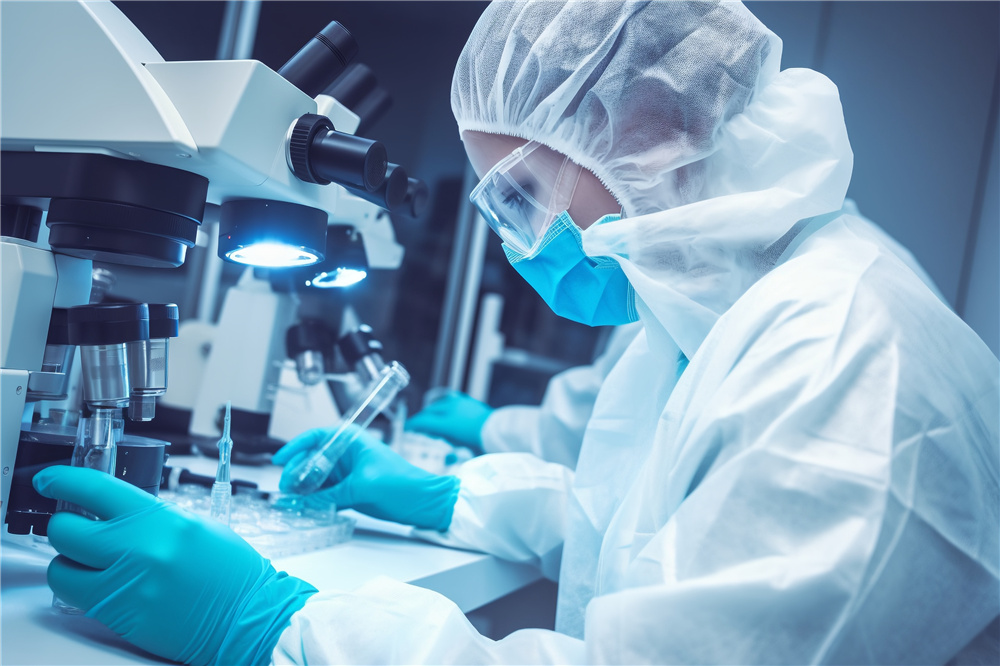
Essential for manufacturing high-barrier face masks, surgical gowns, sterilization wraps, and patient bed sheets, providing reliable defense against pathogens.
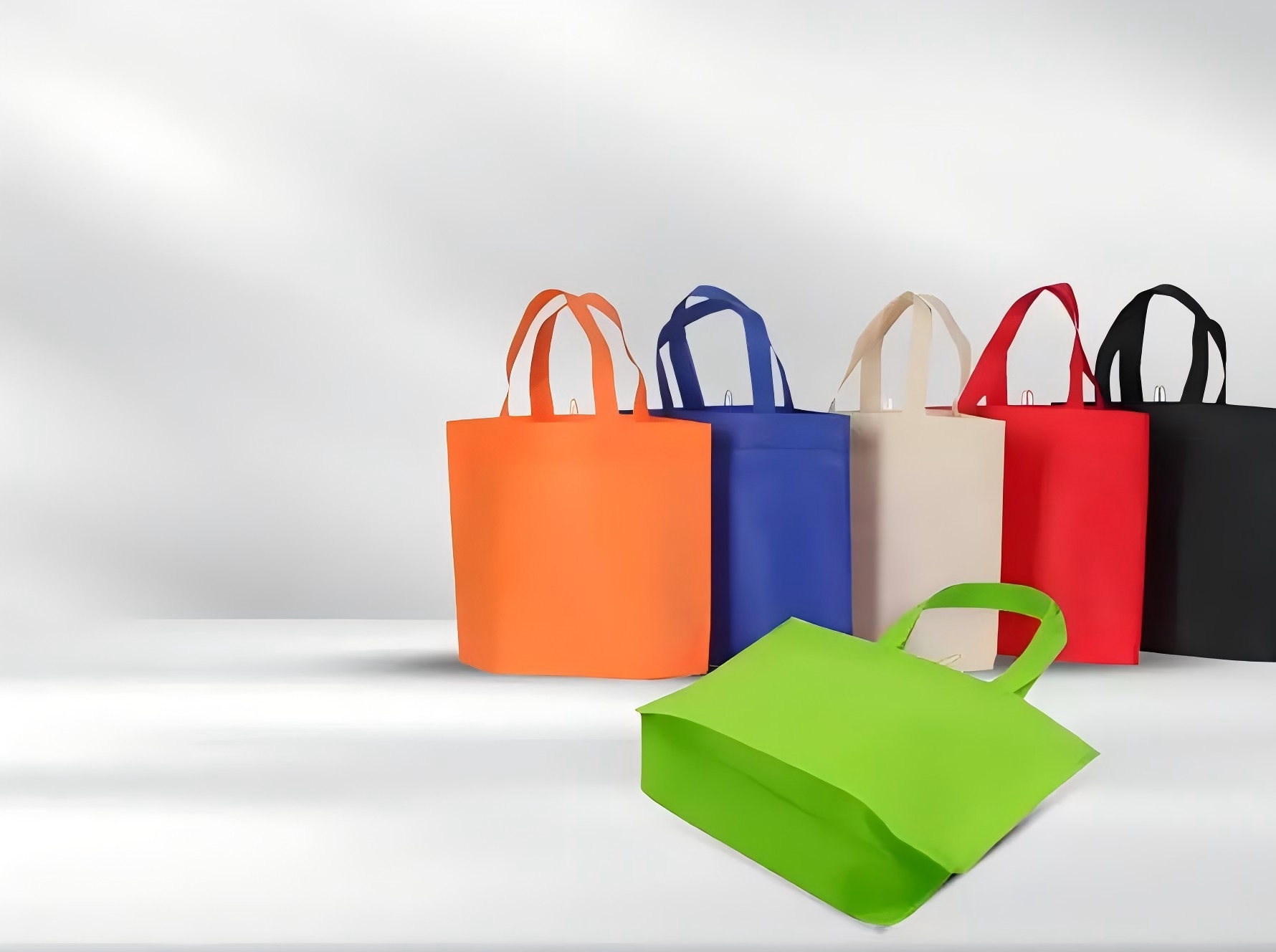
Delivers lightweight, strong fabrics for durable shopping bags, garment covers, furniture pocket springs, protective sleeve interlinings, and pharmaceutical wraps.
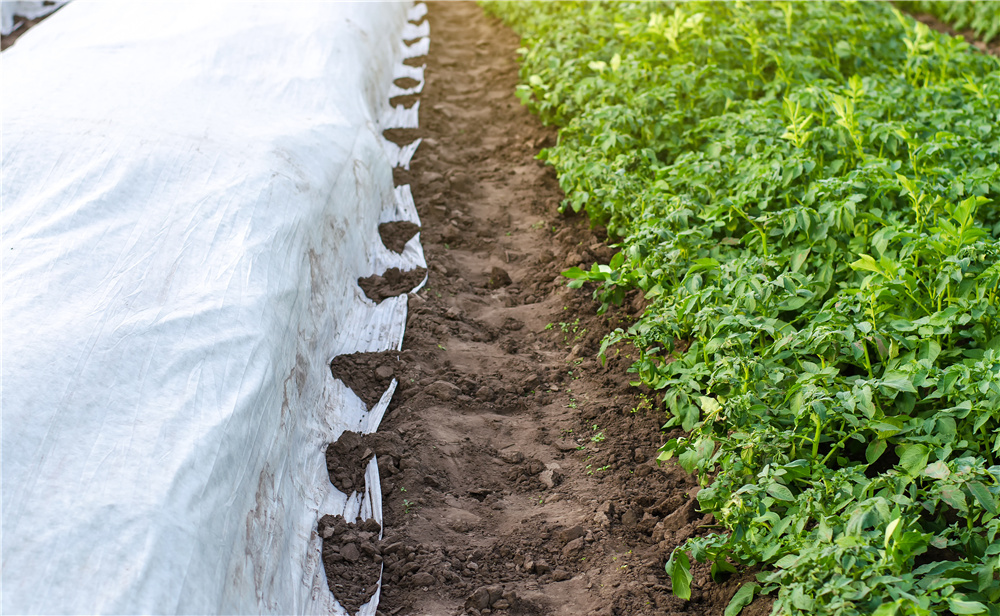
Creates permeable crop covers that protect plants from cold, wind, insects, and UV radiation, while allowing air, light, and water to reach the soil.
The global nonwoven industry is transitioning rapidly toward eco-friendly initiatives and circular production models. Plastic-reduction mandates are prompting manufacturers to shift away from traditional petroleum-based polymers. Consequently, the development of machinery capable of spinning biodegradable polymers like polylactic acid (PLA) and polybutylene succinate (PBS) is now a central focus of modern design.
Additionally, downstream converters demand increasingly lightweight fabrics with high physical performance. This requires spinning lines with tighter control systems, higher air speeds in the cooling chambers, and more precise drafting channels. By optimizing heat distribution across the spin beam, operators can produce ultra-thin webs that preserve barrier properties and tensile strength.
Lastly, IoT and cloud-integrated systems are shaping the future of production. Real-time sensor monitoring, automated tension control, and remote diagnostics help plant operators prevent unplanned downtime and optimize overall equipment efficiency (OEE).
Our extruders feature modified screw configurations and custom heating profiles to spin biopolymers without thermal degradation, helping you meet strict plastic-free regulations.
Embedded Ethernet systems allow our technical support team to inspect your machine remotely, optimize PLC settings, and resolve operational issues without requiring an onsite visit.
Our systems are designed with modularity in mind, allowing you to upgrade a single-beam S line to a composite SS or SMS setup as your market demand grows.
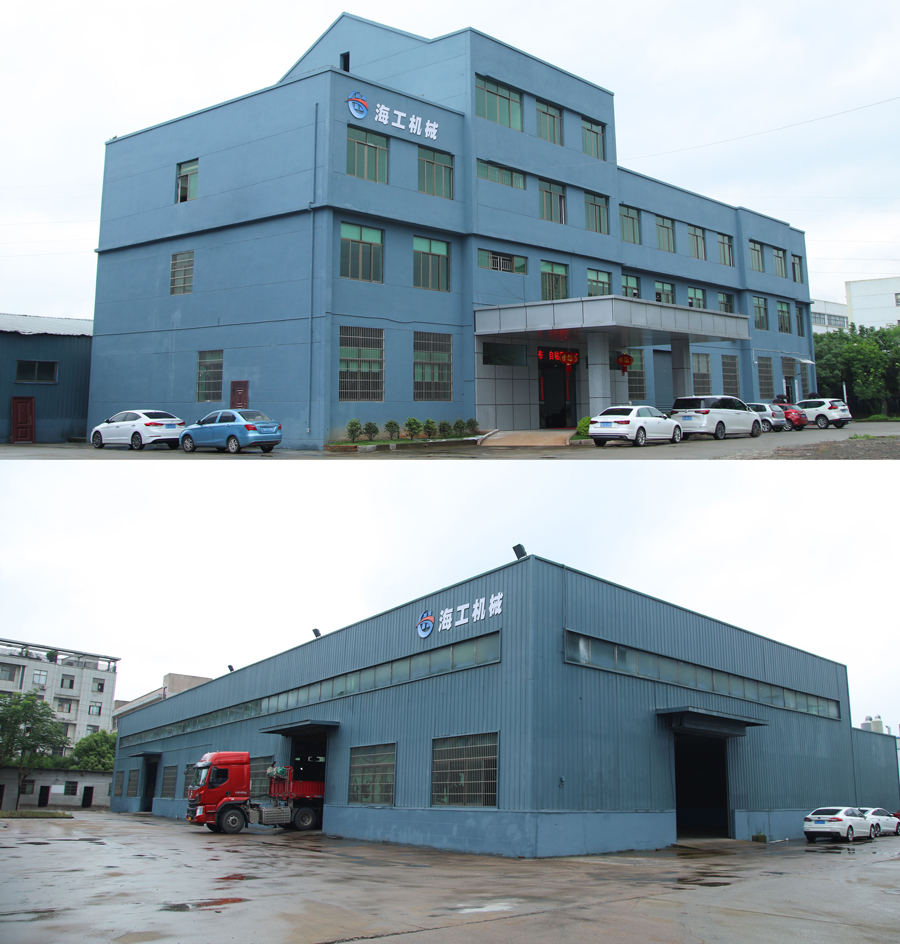
Deploying a large-scale nonwoven production line requires precise planning and execution. HG Nonwoven Machinery provides a comprehensive one-stop turnkey engineering service from A to Z. We manage the entire lifecycle of your project—including facility layout, mechanical installation, electrical wiring, and final commissioning.
Beyond the core spunbond extruder, we supply and integrate essential auxiliary systems: waste recycling lines, high-speed slitters, flexographic printers, laminating machines, and automated bag-making systems.
To ensure long-term operational success, our engineering team provides on-site operator training, covering PLC controls, daily system maintenance, temperature calibration, and fiber troubleshooting. This structured transition process helps your team reach targeted output rates quickly and safely.
Answers to essential technical and commercial questions about nonwoven production lines.
Our 5th Generation system features improved monomer exhaust suction and a highly controlled slot-drafting cabin. This reduces energy consumption by up to 20% compared to legacy designs, maintains fiber diameters under 1.5-2.0 denier, and ensures high cross-directional (CD) tensile strength.
Yes. Our extrusion lines can be customized with special screw profiles and precise temperature controls to process biodegradable resins (like PLA, PBS, and PBAT) without thermal degradation.
We provide a comprehensive 24-month warranty. Our systems feature integrated Ethernet modules that allow our engineers to perform remote troubleshooting, update PLC systems, and analyze sensor data to minimize operational downtime.
Typically, mechanical and electrical installation takes between 30 and 45 days. This is followed by 15 days of test-running and staff training to ensure your operators can manage the system safely and independently.
We supply complete A-to-Z production lines. This includes raw material auto-feeders, edge-trim recycling systems, high-speed slitters and winders, flexographic printing machines, lamination lines, and nonwoven bag-making equipment.
Select the right machine configuration to match your capacity goals, local energy costs, and downstream application requirements.
 HG NONWOVEN