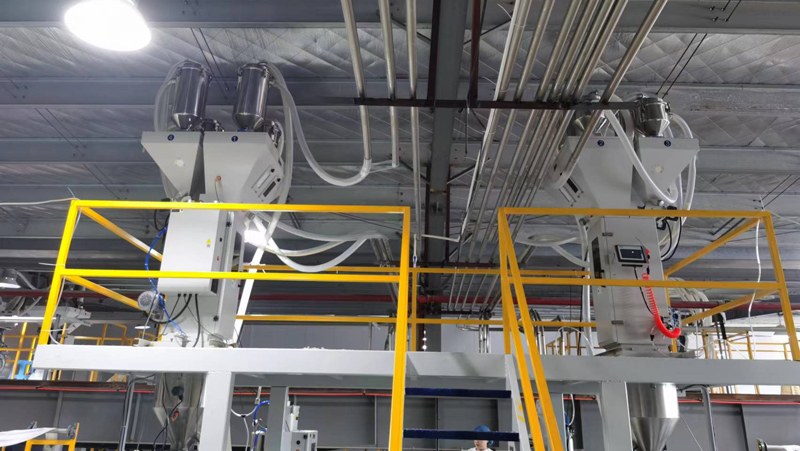
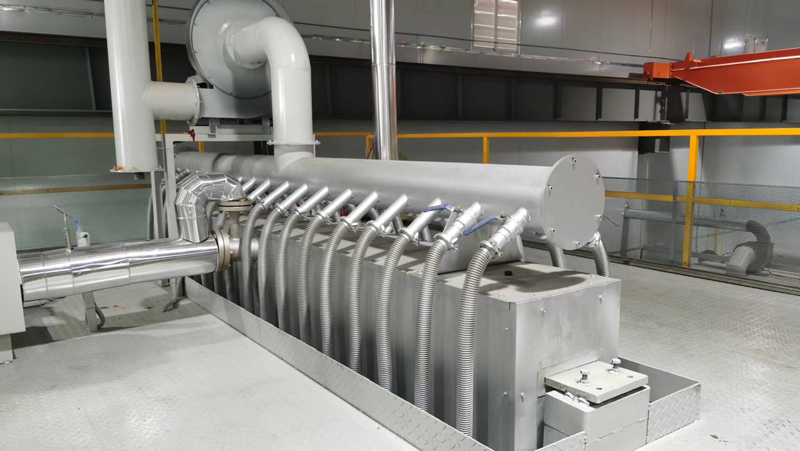
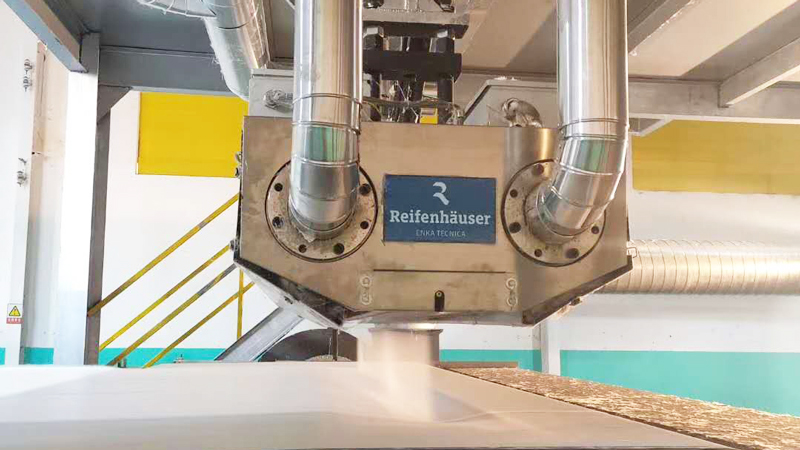
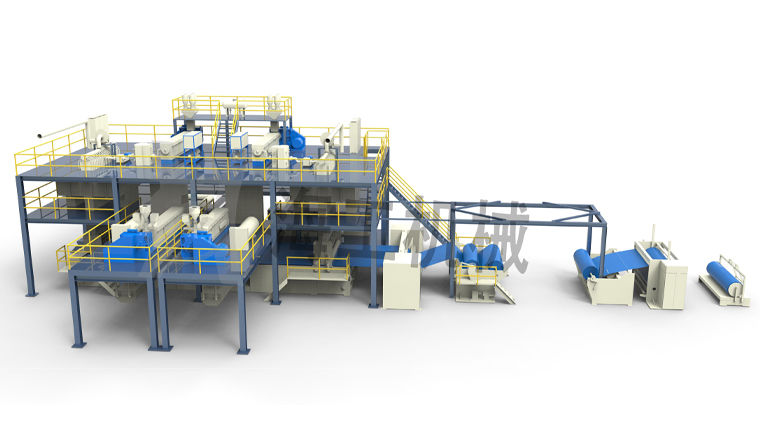
Explore our core selection of nonwoven fabric making machinery engineered for maximum throughput, low energy consumption, and high operational reliability.
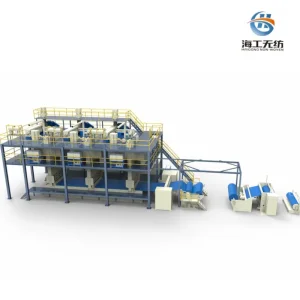
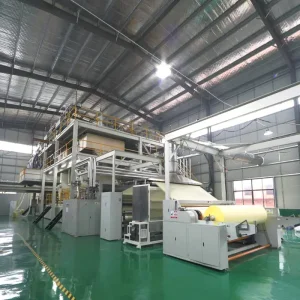
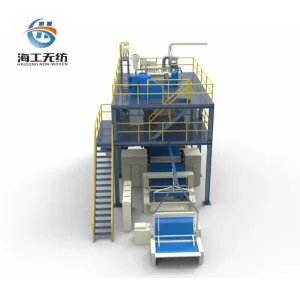
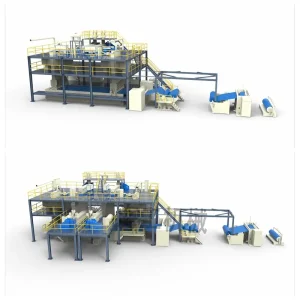
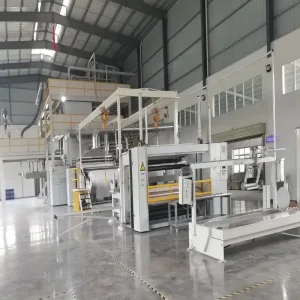
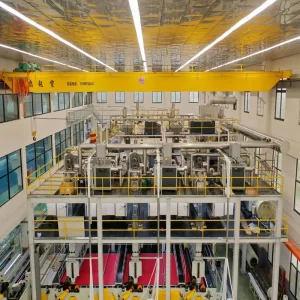
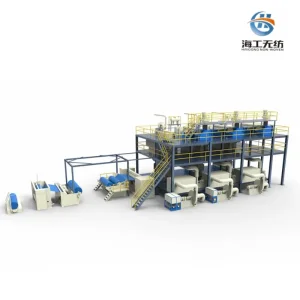
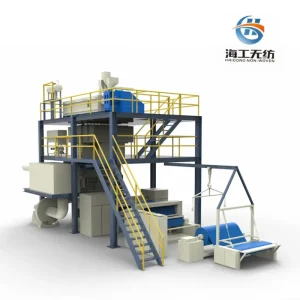
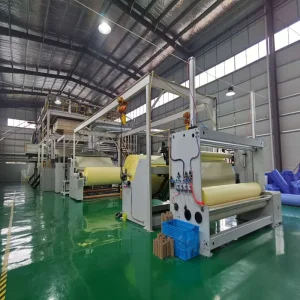
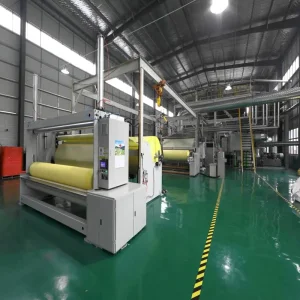
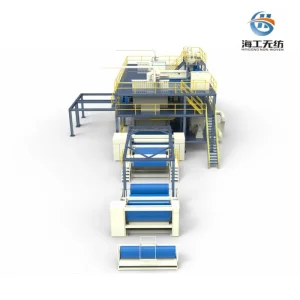
HG Nonwoven Machinery is a professional manufacturer of spunbond, meltblown, and composite nonwoven fabric machine lines, dedicated to providing high-efficiency and innovative spunbond nonwoven fabric production solutions to the global market.
Our company introduced advanced design concepts, specifically our 5th Generation spunbond spinning technology, from overseas, and successfully integrated it with autonomous innovations to precisely serve modern market needs. As a result, HG nonwoven fabric making machines are characterized by convenient operation, compact footprint, low power consumption, high yield efficiency, and minimal production cost.
Operating since 2014, Pujiang HG Nonwoven Machinery has grown into a highly recognized name in the global machinery industry. We specialize in manufacturing PP spunbond and meltblown lines backed by a complete turnkey engineering service. Our research and development efforts prioritize the production of high-performance, eco-friendly, and biodegradable spunbonded nonwoven fabrics.
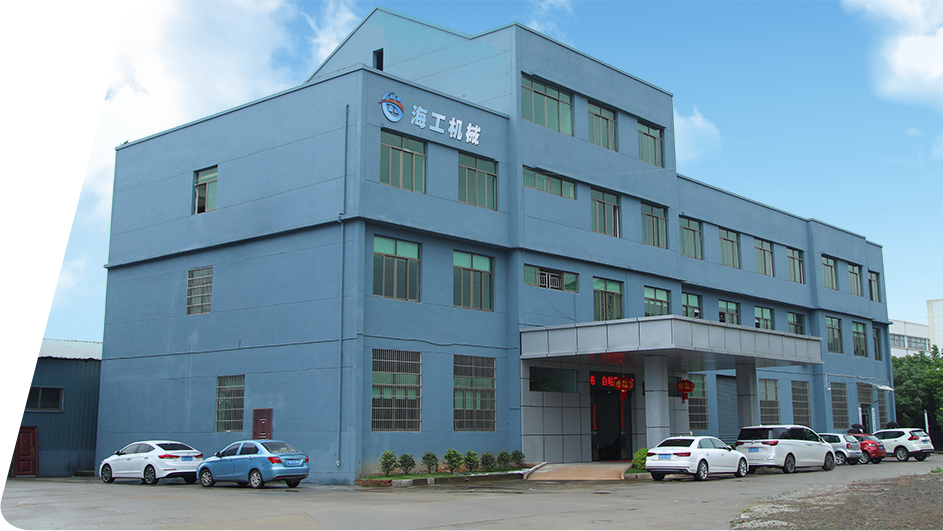
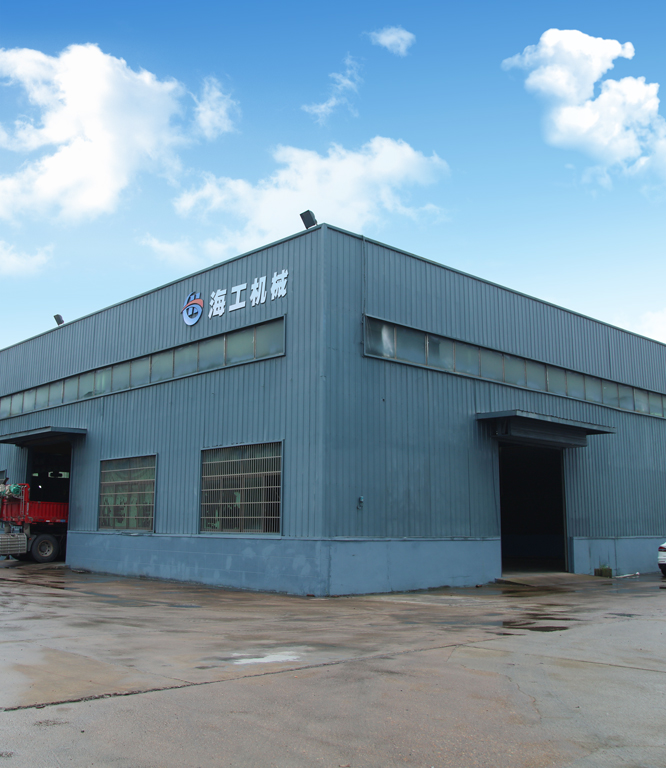

We firmly regard "high quality, good service" as our guiding tenet. By choosing HG Nonwoven Machinery, you secure a reliable partner committed to helping you stand out in an increasingly competitive global textile and hygiene market. We work closely with our clients to customize layouts and configurations, addressing space constraints and regional voltage fluctuations smoothly.
Contact our sales and engineering support divisions today to explore practical pathways to produce nonwoven fabrics economically, reliably, and with strict sustainability profiles.
Why modern polymer processors and global textile manufacturers deploy HG Nonwoven Machinery lines to power their downstream operations.
Our machines incorporate state-of-the-art co-extrusion technology to deliver maximum production output while systematically reducing power consumption per ton of finished fabric.
We leverage decades of market experience to provide data-driven market evaluations, helping you define raw material availability and design a successful commercial feasibility report.
We deliver complete line solutions, including integrated recycling systems, slitting machinery, flexographic printing machines, bag makers, and robust multi-layer laminators.
Our engineers provide rapid on-site commissioning and digital diagnostics. We back our hardware with a 24-month comprehensive support period to ensure high OEE.
Highly customized multi-beam systems configured to produce packaging, medical, and high-barrier hygiene materials.
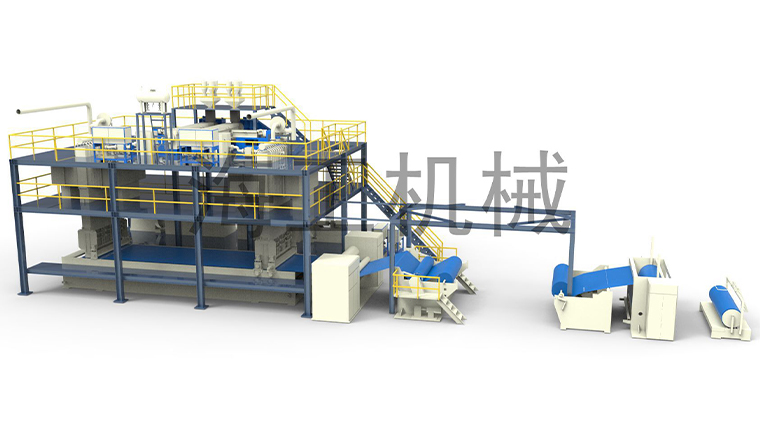
Designed for packaging nonwoven bags, structural furniture backing, and agricultural crop cover applications.
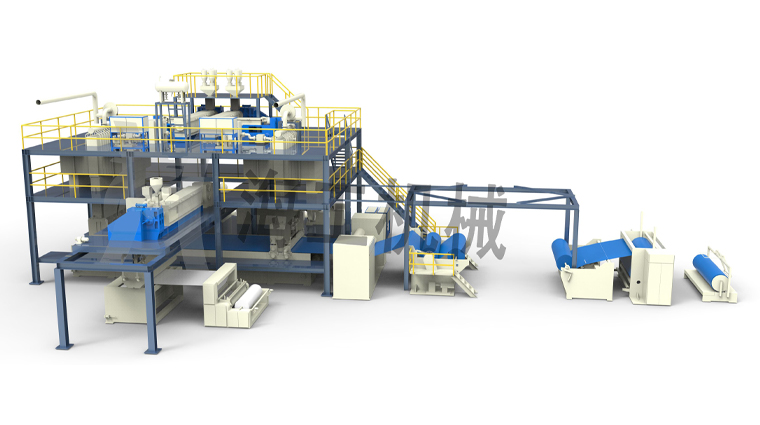
Engineered for high-barrier medical applications, including protective surgical gowns, sterile drapes, and hygiene shields.
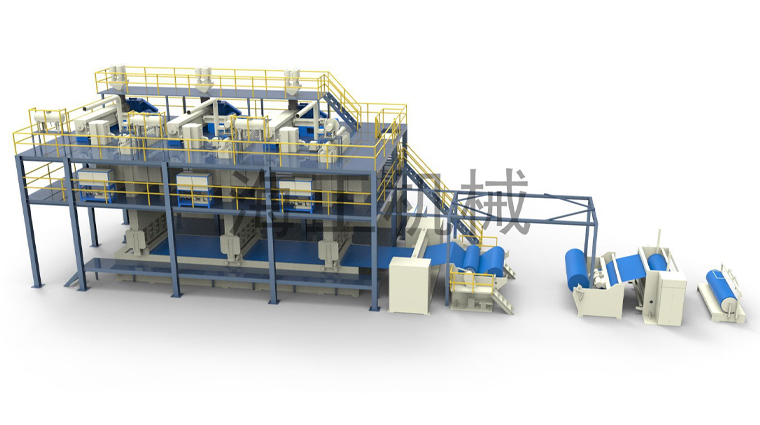
Features 4-layer technology to deliver superior filtration and fluid resistance compared to standard SMS lines.
Delivers excellent barrier properties while maintaining softness, comfort, and high breathability for premium baby diapers.
Aligning advanced polymer processing machinery with high-margin downstream industrial and consumer markets.
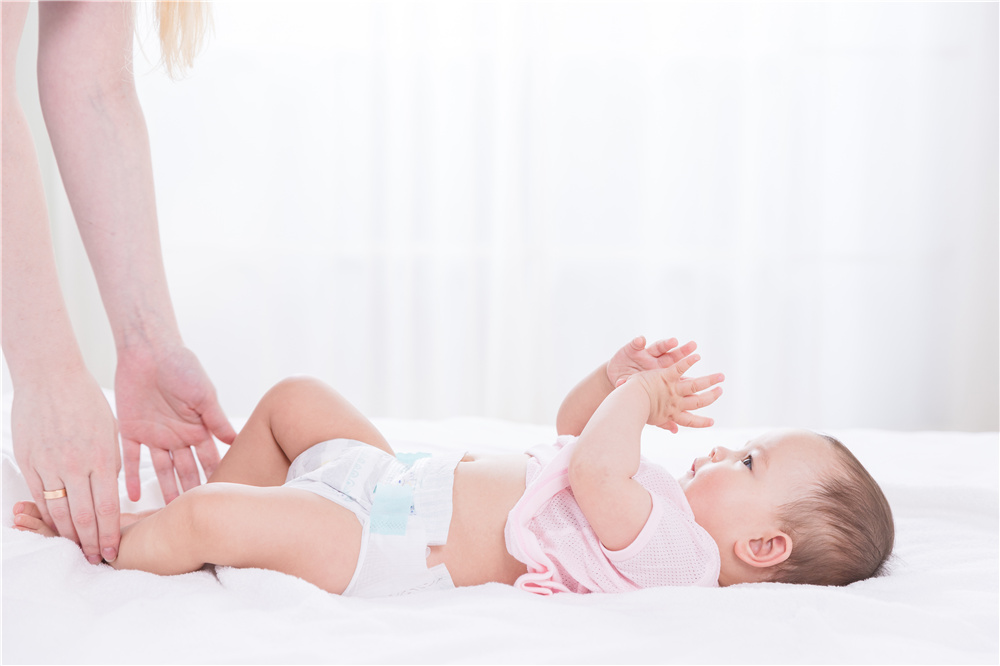
Nonwoven fabric is essential in the hygiene sector, offering breathability, softness, and excellent fluid management for comfort and protection. It quickly absorbs liquid and keeps it away from the skin, making it ideal for paper diapers, adult incontinence pads, and feminine hygiene products.
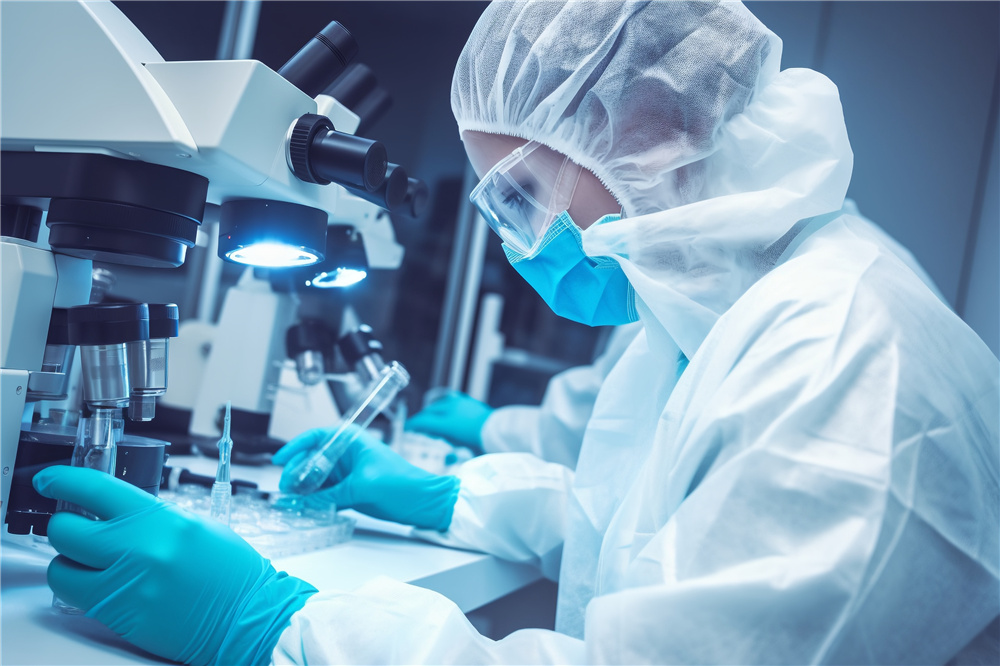
Nonwovens fabrics are extensively used in the medical field and in protection against biological agents in other sectors. They deliver critical safety properties, such as prevention against infections and diseases. They are essential for making face masks, surgical gowns, bed sheets, and surgical towels, ensuring effective filtration, protection, and comfort.
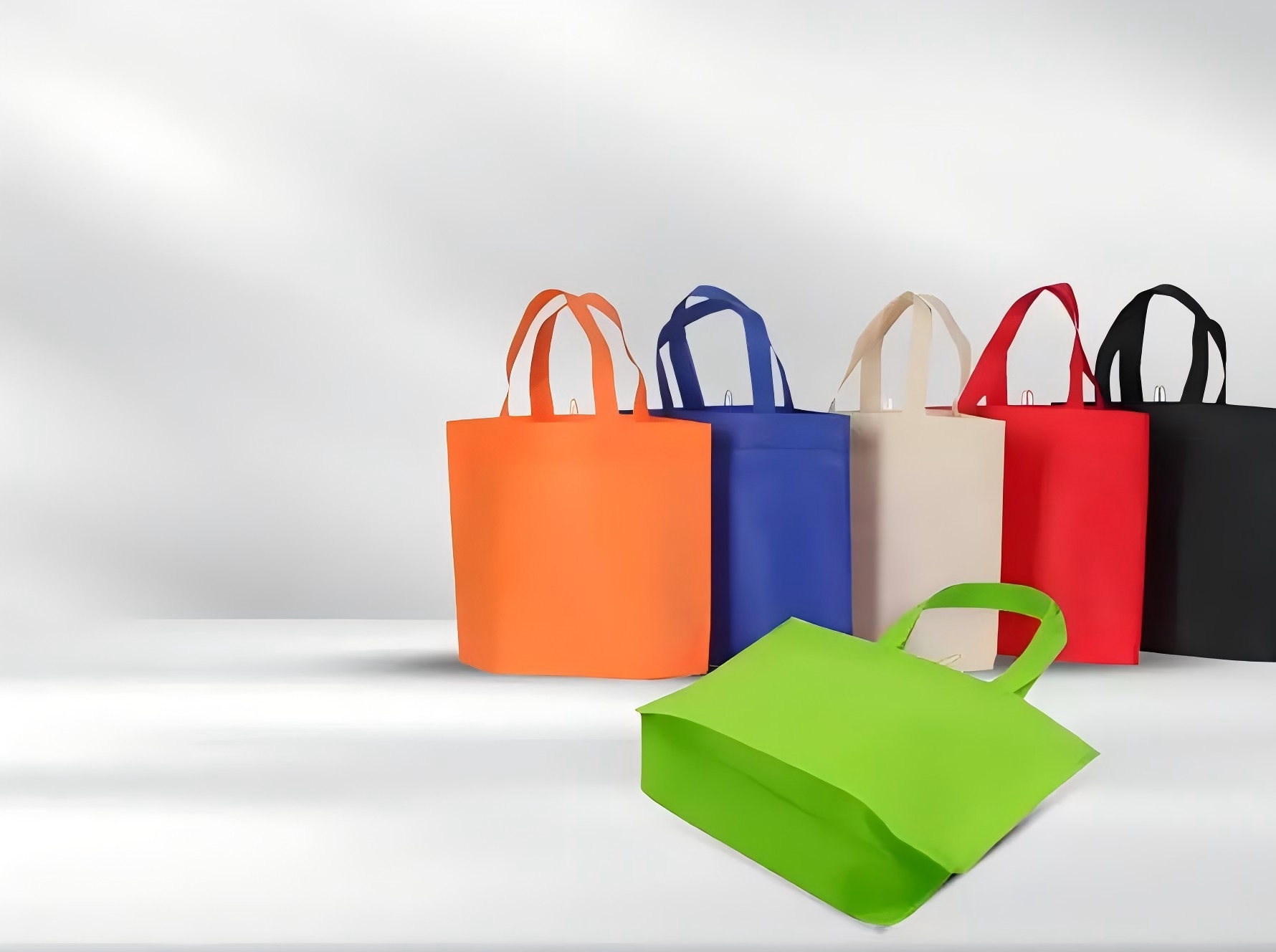
Nonwoven fabric is ideal for a variety of packaging end-uses, as their exceptional lightweight, their energy-efficient production, shipping and storage, and their long life and robustness allow for two important features: volume reduction and re-usability. It widely used for shopping bags, fruit bags, garment bags, rice bags, pocket springs, garment interlining, as well as packaging for pharmaceuticals and cosmetics, among other applications. Its versatility and long lifespan contribute to its popularity in various industries.
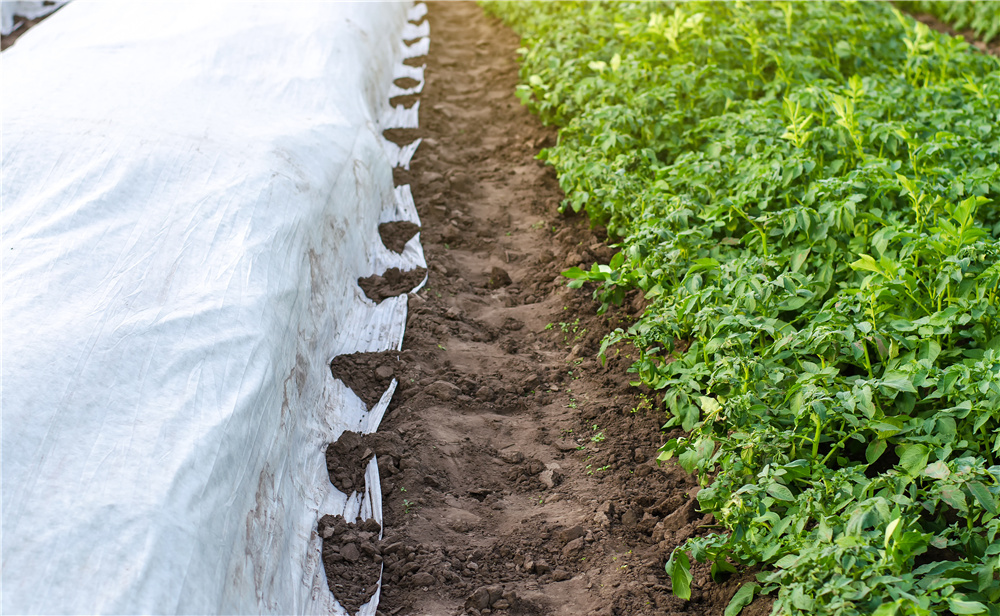
Agriculture Non Woven Fabric allow air and water to pass through while providing wind and cold protection by generating a microclimate around the crop. Furthermore, because nonwoven works as a physical protection media, it can assist prevent damage to crops, vegetables, and seeds from insects and birds. Nonwoven materials can assist regulate heat, UV blocker agriculture, while also providing superior air and water permeability. These materials are light weight, portable, and may be tailored to match specific needs and provide specific services.
In the global industrial landscape, sourcing nonwoven manufacturing lines from China offers significant benefits. Manufacturers like HG Nonwoven Machinery leverage a highly integrated local industrial supply chain to source precision mechanical components, high-grade steel, and advanced electrical components. This proximity lowers manufacturing costs without sacrificing material quality.
Customized Engineering Capabilities stand out as a core strength. Unlike rigid, pre-configured European imports, Chinese manufacturers can customize machine footprints, extrusion screw ratios, and calendering setups to align with specific spatial constraints and target product characteristics.
Furthermore, the integration of advanced CNC machining centers and automated welding technologies ensures high manufacturing tolerance, mechanical durability, and long-term running stability, even under continuous high-load operations.
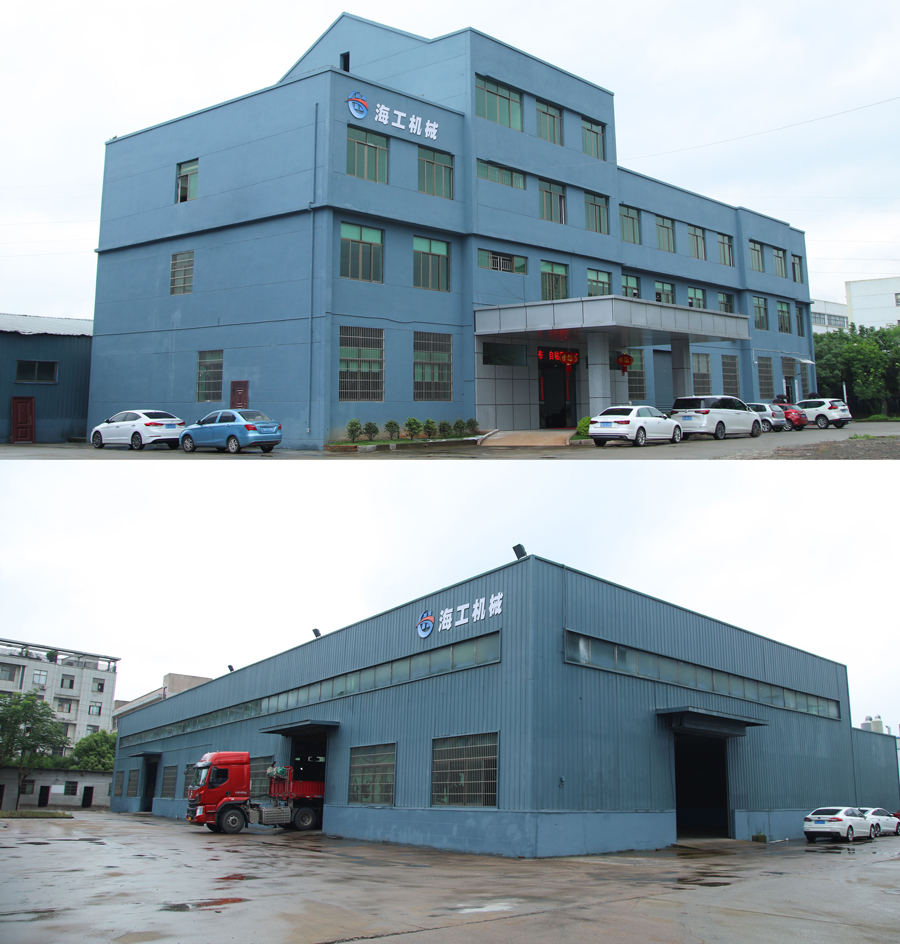
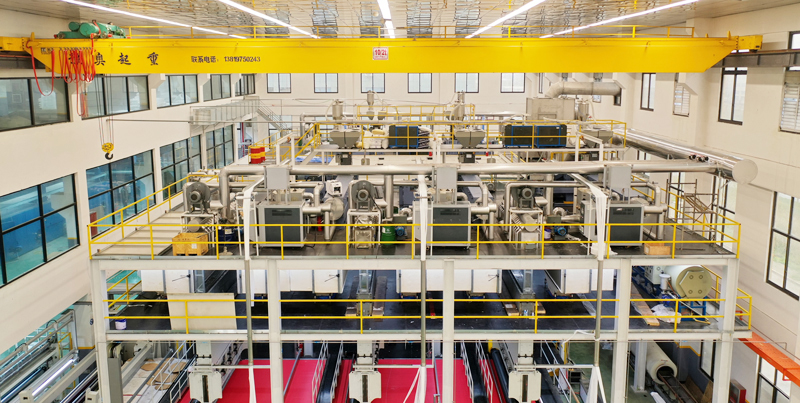
When evaluating a nonwoven line investment, look beyond the initial purchase price to consider the Total Cost of Ownership (TCO) and Overall Equipment Effectiveness (OEE). Key metrics to focus on include:
Inside the production processes that ensure stable filament extrusion, precise thermal bonding, and high-speed winding.
Analyzing the shifts in polymer processing, high-barrier composites, and eco-friendly raw materials.
Rising consumer awareness and tightening environmental regulations have driven demand for machinery capable of processing alternative materials, such as Polylactic Acid (PLA) and polybutylene succinate (PBS). HG Machinery is at the forefront of modifying extrusion systems to handle these heat-sensitive biopolymers.
Hygiene products require complex multi-beam composite materials, such as SSMMS and SSMS. These structures combine spunbond webs for mechanical strength and meltblown layers for liquid and particulate filtration. This makes modern multi-beam co-extrusion technology a necessity.
Industrial waste management is a priority for modern manufacturing plants. Incorporating online edge-trim recycling systems allows manufacturers to feed scrap material directly back into the extruder, reducing material waste and maintaining virgin resin properties.
Complete your production setup with our reliable single and multi-beam lines, designed for high output and consistent quality.
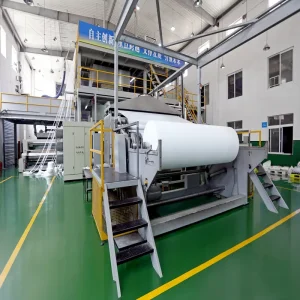
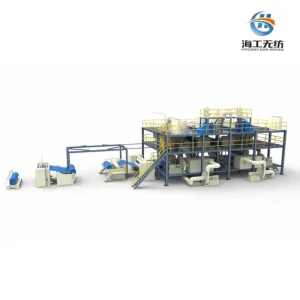
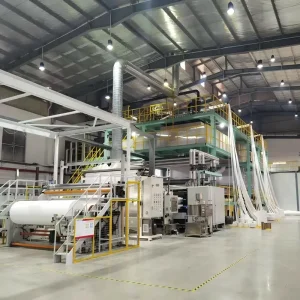
Get answers to common queries regarding nonwoven machine selection, turnkey implementation, and technical parameters.
 HG NONWOVEN