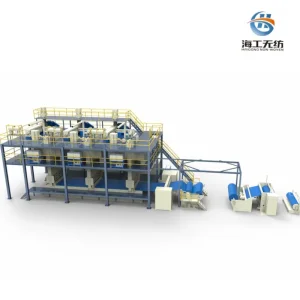
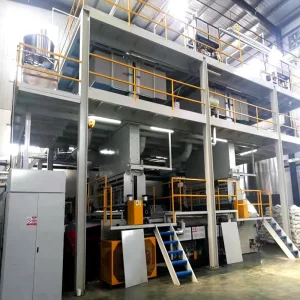
Discover our advanced structural configurations, customized precisely to drive processing efficiency and reduce energy overheads.
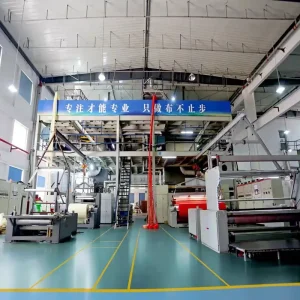
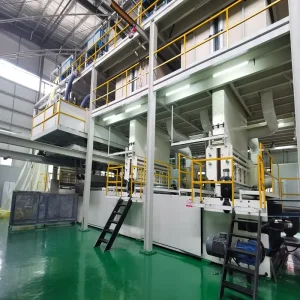
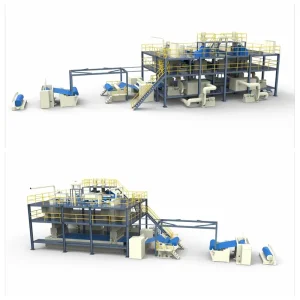
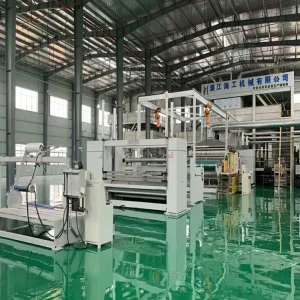
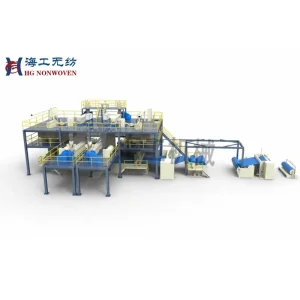
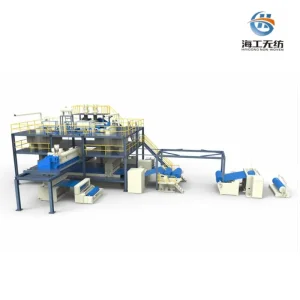
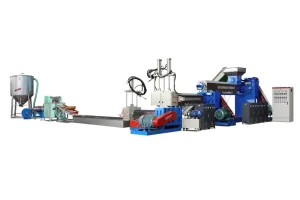
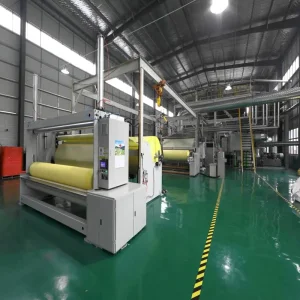
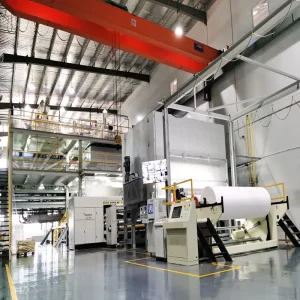
HG Nonwoven Machinery stands as a premier developer and OEM manufacturer of state-of-the-art spunbond, meltblown, and composite nonwoven fabric manufacturing machine lines. We focus on delivering high-efficiency, reliable, and sustainable technical setups designed to serve rigorous medical, industrial, packaging, and agricultural parameters.
By adapting overseas 5th Generation spunbond spinning technology and merging it with proprietary engineering patents, our machines reduce physical footprints, minimize power draws, and optimize product yield per kilowatt. This strategic balance guarantees low cost-per-ton production for our partners globally.
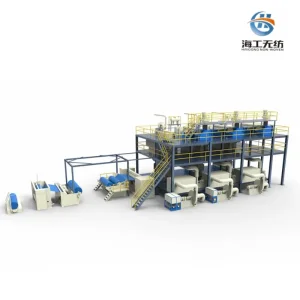
Whether you require a high-output single S line for industrial shopping bags or a multi-beam SMMSS composite configuration for surgical barriers, HG Machinery provides complete turnkey assistance, taking your project from concept feasibility reports straight to final high-speed production.
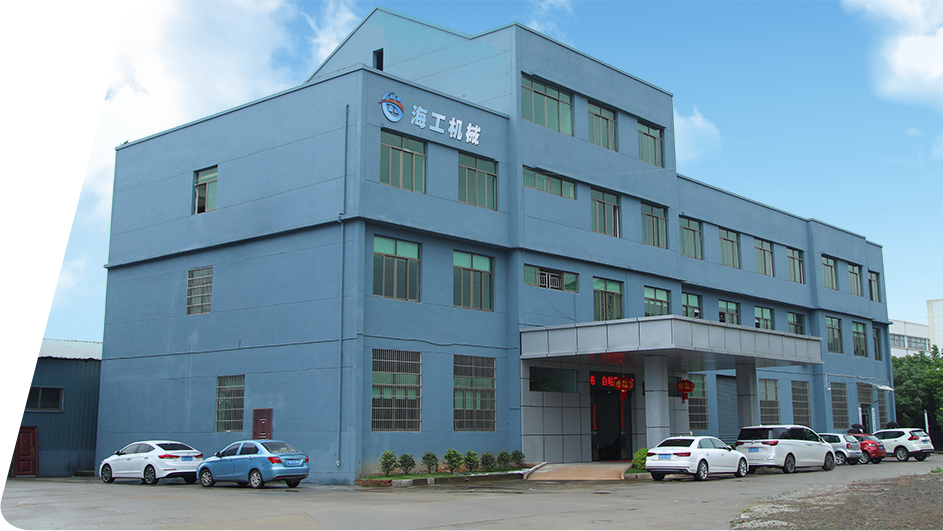
Our historical metrics speak to our continuous operational quality and engineering integrity since establishment.
In-depth assessment of supply chains, cost dynamics, and technical execution behind China's position in polymer extrusion technologies.
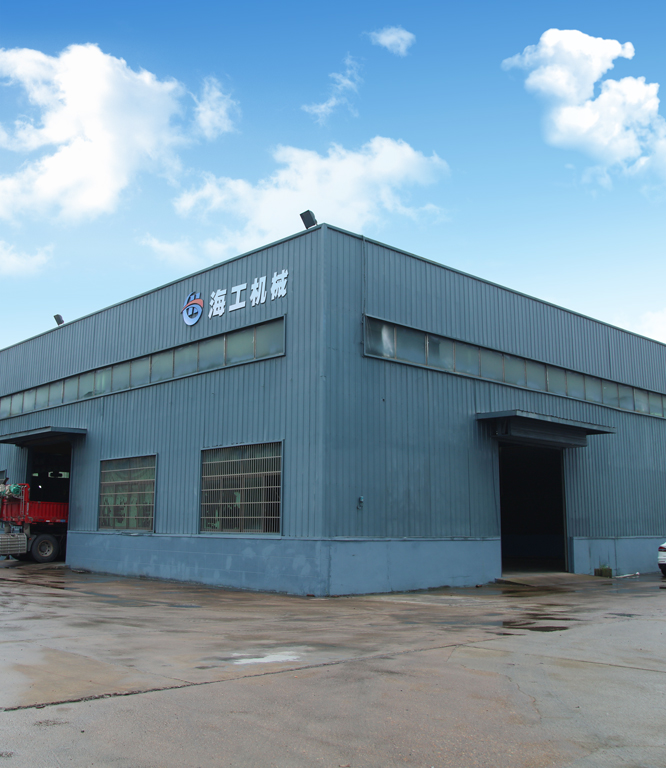
Chinese machinery builders profit from concentrated localized supply chains. From custom-cast spinneret plates and advanced high-ratio screw extruders to precision air-draft channels and induction-heated calendar rolls, all components are engineered within short geographical radii. This setup cuts logistics costs, speeds up custom design iterations, and guarantees quick turnaround times for custom configurations.
By leveraging Chinese thermal insulation designs and specialized induction heating zones, HG Spunbond Machinery maintains low power usage. Modern configurations optimize the heating profile of the extruder barrel and die assembly, preventing energy loss. Combined with domestic raw-material costs, our machinery provides exceptional cost-to-performance metrics compared to traditional European lines, allowing operators to recover their capital investments faster.
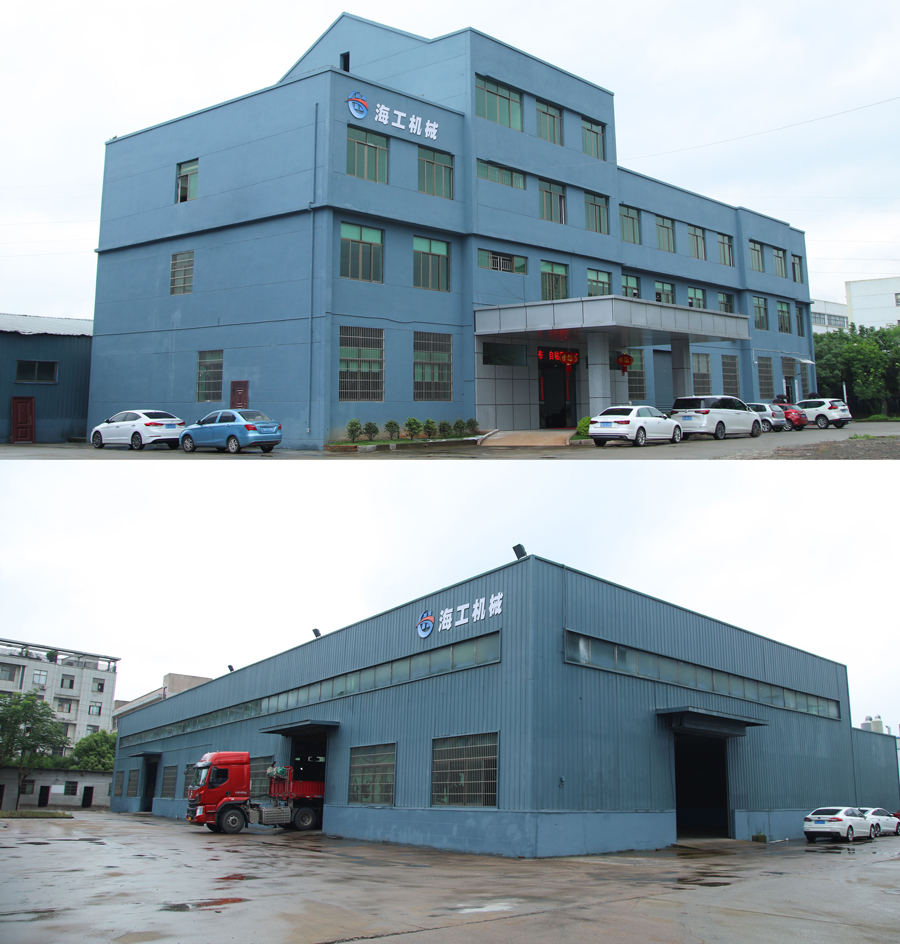
With global demand shifting toward eco-friendly substrates, Chinese factories are leading the development of PLA (Polylactic Acid) and PBAT biodegradable spunbond machinery. Adjustments in screw thread profiles, cooling towers, and drafting slots accommodate these heat-sensitive bioplastics, allowing operators to run both traditional polypropylene (PP) and new biodegradable polymers on the same core line.
Pujiang HG Nonwoven Machinery handles the entire plant lifecycle. Beyond constructing the extrusion lines, our technicians plan factory layouts, calculate air volume dynamics, design downstream recycling setups, and train on-site engineering crews. Our comprehensive service ensures a direct path from raw polymer resin to finished roll goods.
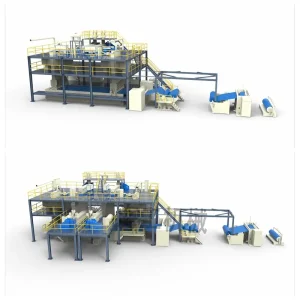
Discover our four key structural designs optimized for specific technical requirements, structural densities, and production yields.
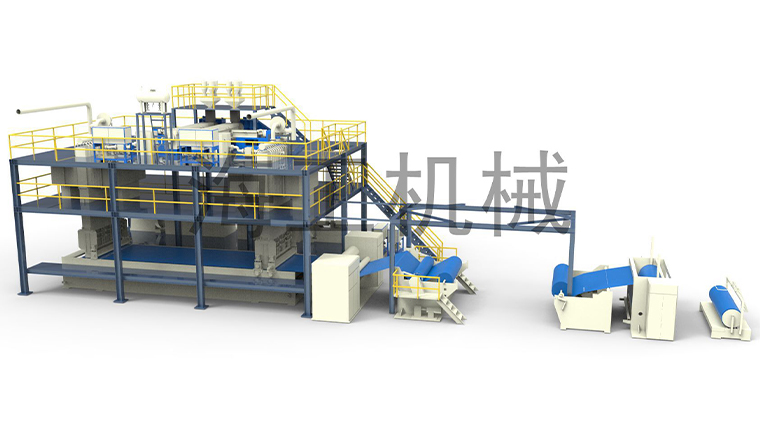
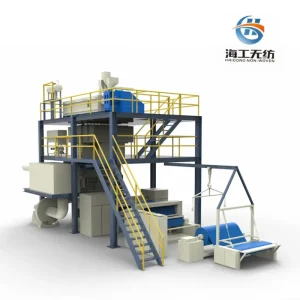
Ideal for packaging bags, furniture backing, and agricultural covers. Provides excellent tensile strength and high production outputs at low operating costs.
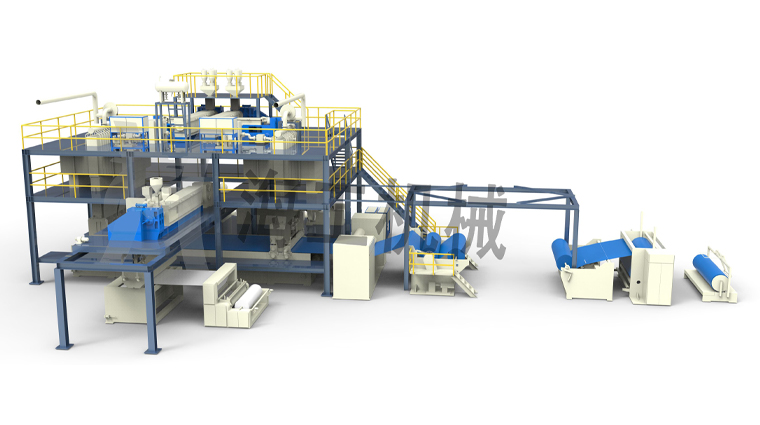
Engineered for medical drapes and hygiene components. Combines strong spunbond layers with a high-barrier meltblown middle layer.
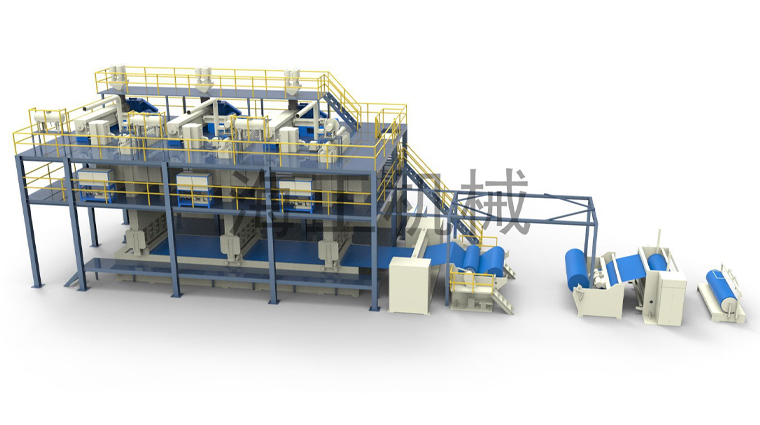
Four-layer configuration (Spunbond-Meltblown-Meltblown-Spunbond) designed for advanced medical filtration and high-performance surgical protection garments.
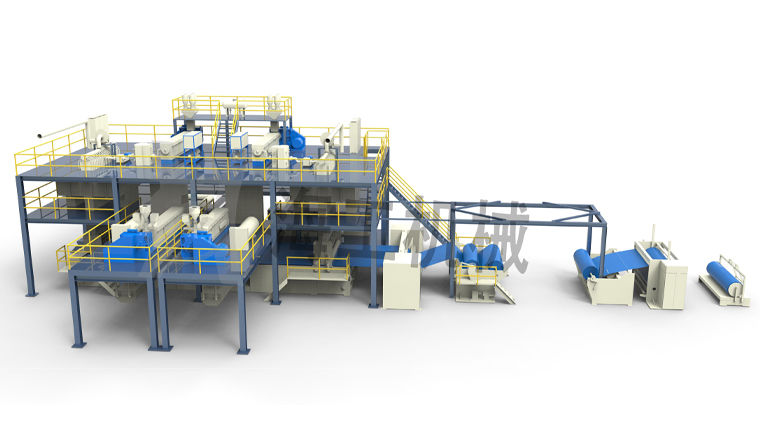
Premium five-layer composite system. Provides excellent barrier performance, softness, and air permeability for high-end baby diapers and medical applications.
We focus on high quality and responsive service to help you remain competitive and profitable in your target market.
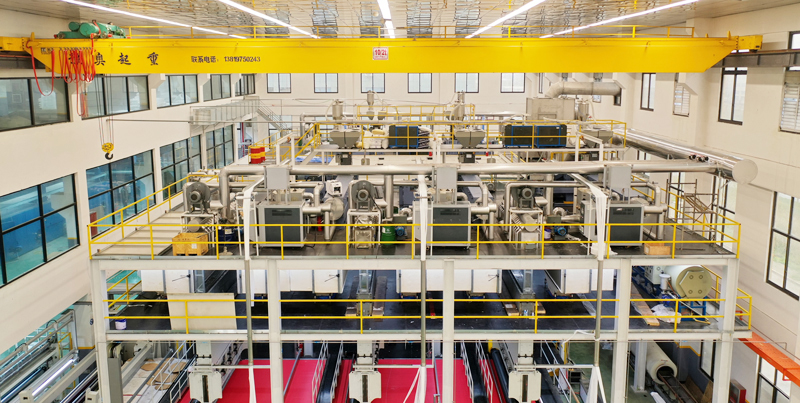
Every extrusion head, drawing slot, and mechanical frame is engineered in-house to reduce energy losses and maintain high tensile consistency across the web width.
We analyze polymer availability, municipal power infrastructure, and regional fabric demands to help you formulate a solid return-on-investment (ROI) plan.
We supply the complete auxiliary setup: in-line edge-trim recyclers, high-speed slitters, flexographic printers, laminating units, and fully automated bag-making machines.
We send senior technicians to install your equipment, adjust extrusion profiles, and train your staff. Our systems come with a comprehensive 24-month maintenance warranty.
Choosing the right line depends on your target market. Here is how our machinery serves key industrial and consumer sectors.

Our SSMMS and SMMS lines produce ultra-soft, breathable, and highly absorbent fabrics. These materials are ideal for baby diapers, adult incontinence pads, and feminine hygiene products, keeping moisture away from the skin.

For healthcare environments, our composite lines produce sterile SMS and SMMS webs. These fabrics provide reliable microbial barriers, fluid resistance, and durability for surgical gowns, drapes, wrap sheets, and face masks.
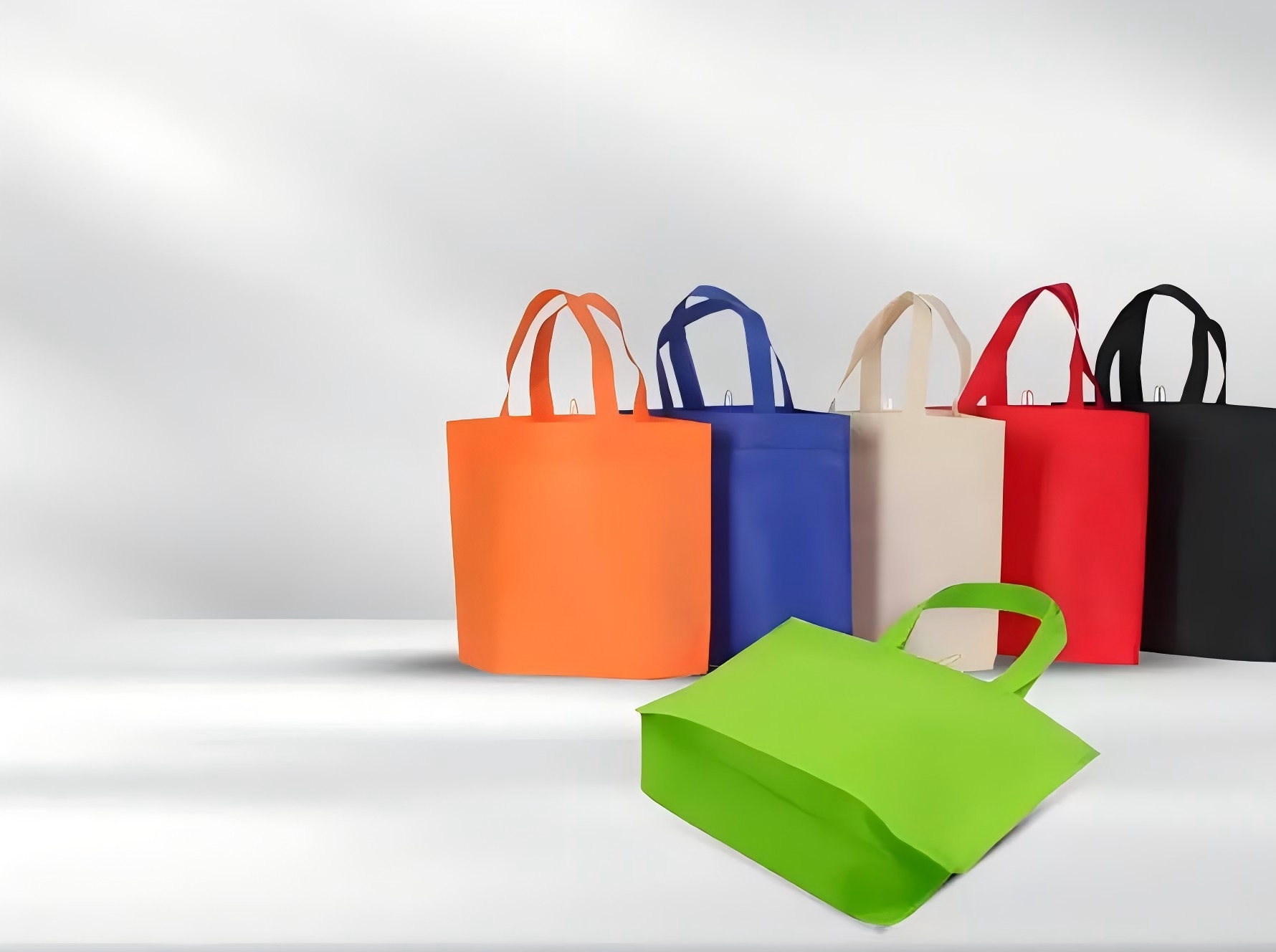
Our S and SS lines produce high-tensile, lightweight, and reusable fabrics. These materials are widely used for promotional shopping bags, agricultural storage sacks, and durable industrial linings.
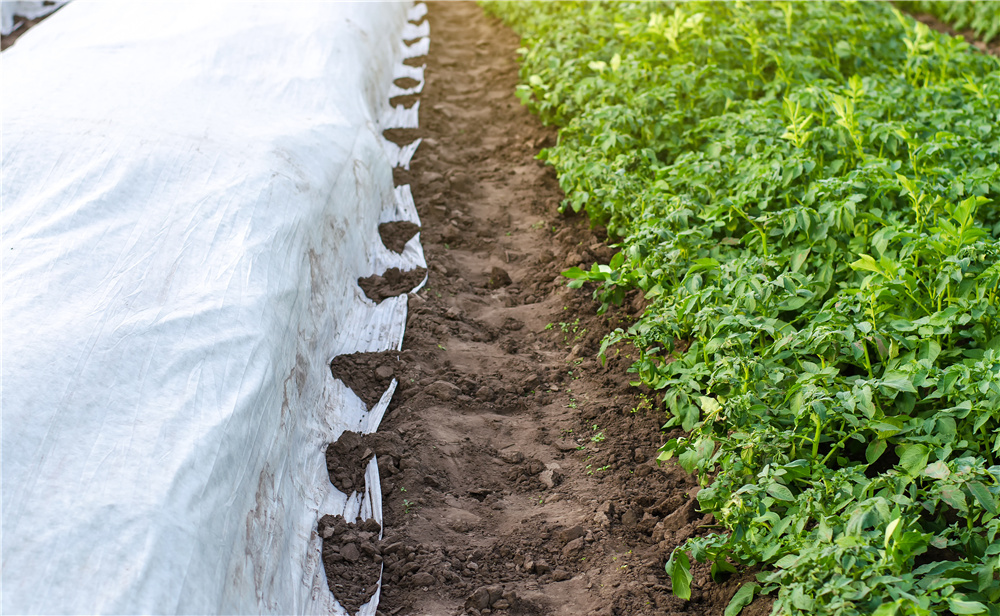
We customize lines to apply UV stabilizers directly into the polymer melt. This creates durable, water-permeable crop covers that protect plants from frost, wind, insects, and UV degradation.
An overview of the engineering components that ensure consistent fabric weight (GSM) and high tensile strength.
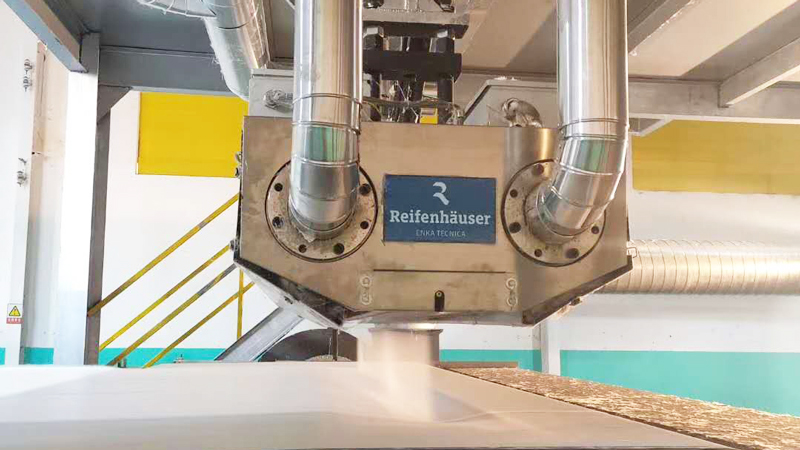
Our open-type pneumatic drafting system controls air speed to yield highly oriented, fine filaments (1.5–2.2 Denier). This design ensures uniform fiber distribution and excellent tensile strength across the entire width of the web.
The centralized control loop monitors extruder temperature, melt pump pressure, calendar oil heat, and winding tension in real time. Closed-loop feedback keeps fabric thickness consistent even at high running speeds.
Our dual-roll calendar assemblies feature high-precision engraving patterns and uniform internal oil heating. This structure ensures consistent thermal bonding, preventing weak spots or pinholes in the fabric web.
By optimizing the layout of the extrusion zone and air drawing channel, our 5th-generation systems reduce energy usage per ton of output by 15-20% compared to older designs.
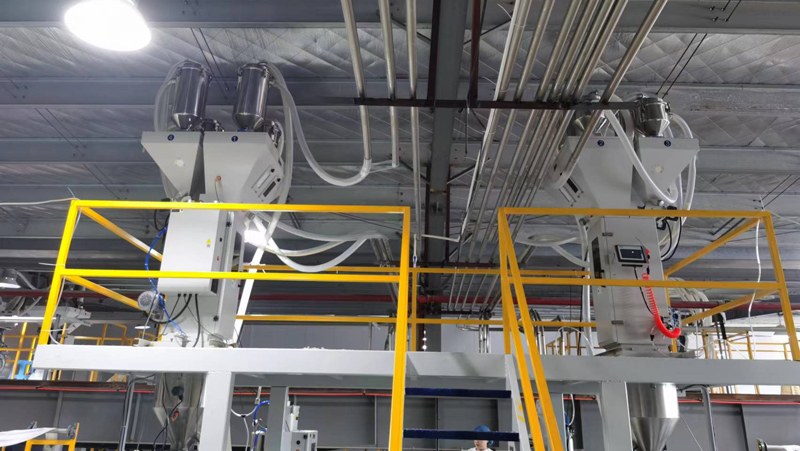
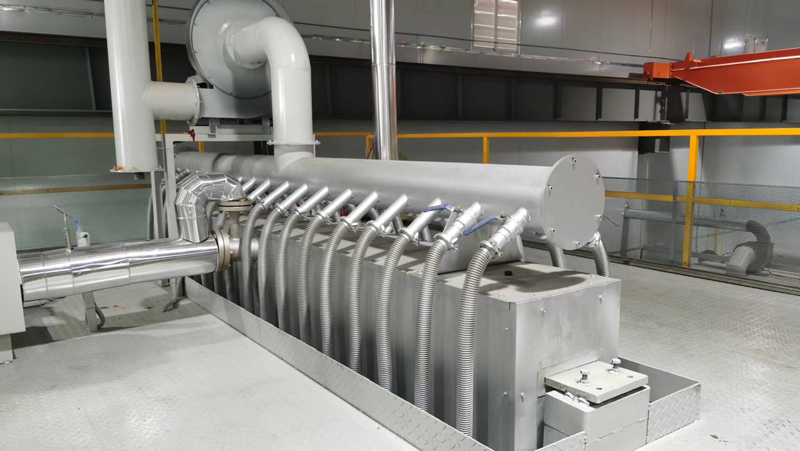
Common technical and commercial questions answered by our engineering and project teams.
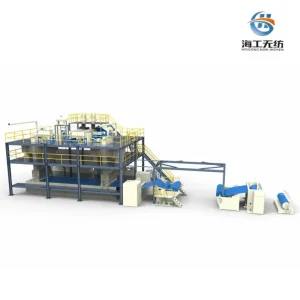
Detailed configuration options for high-output spunbond operations and customized fabric production.
 HG NONWOVEN