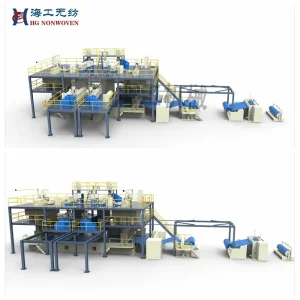
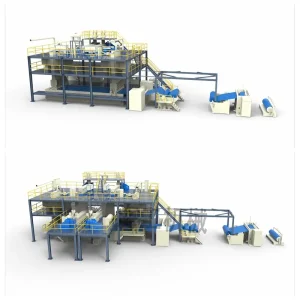
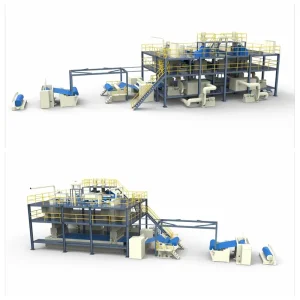
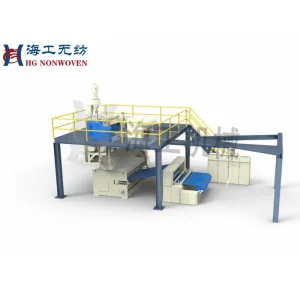
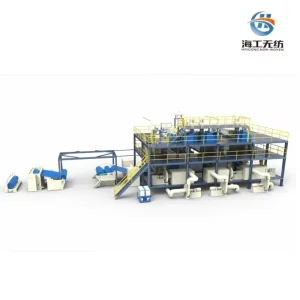
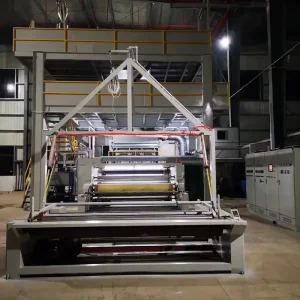
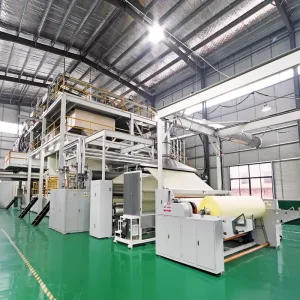
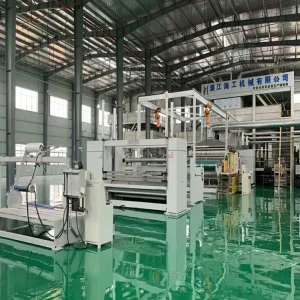
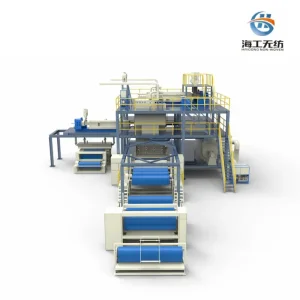
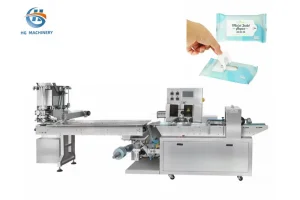
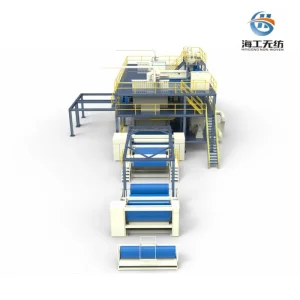
Singapore’s manufacturing sector is undergoing a profound transformation towards high-value, sustainable, and highly automated processes. As a global logistics and innovation hub, Singapore demands nonwoven manufacturing solutions that prioritize medical-grade hygiene, biodegradable material compatibility, and extreme operational efficiency. HG Nonwoven Machinery integrates "Industry 4.0" standards into our equipment, ensuring that manufacturers in Singapore can meet both local and international regulatory requirements with ease.
For businesses in Singapore, space and labor costs are premium concerns. Our machine designs emphasize small-footprint architecture and high-efficiency throughput. By utilizing our 5th Generation spunbond technology, factory operators can achieve lower energy consumption per unit, directly improving the bottom line in Singapore’s competitive industrial ecosystem.
The nonwoven industry is shifting from conventional production to sustainable material cycles. Our roadmap includes:
Meeting Singapore’s stringent hospital-grade standards for surgical gowns, face masks, and sterile barrier products.
Hydroponics and urban farming nonwovens for optimized water retention and crop protection in vertical farming environments.
Sustainable retail packaging solutions tailored for Singapore’s retail and e-commerce logistics sector.
Q: Can your machines handle biodegradable polymers?
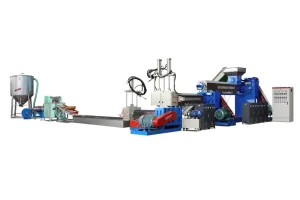
A: Yes, our latest generation machines are designed with versatile extrusion systems that can handle various biodegradable polymers, essential for Singapore’s shift to sustainable materials.
Q: Do you provide support for installation in Singapore?
A: We provide comprehensive "Turnkey Engineering Services," including on-site installation, staff training, and 24/7 digital technical support for our Singaporean partners.
Q: How do your machines improve energy efficiency?
A: By optimizing the thermal management of the spinning beam and utilizing high-efficiency motors, we reduce power consumption by up to 20% compared to traditional models.
 HG NONWOVEN