Advanced machinery engineered to translate recycled plastic waste into high-quality technical fabrics and raw materials.
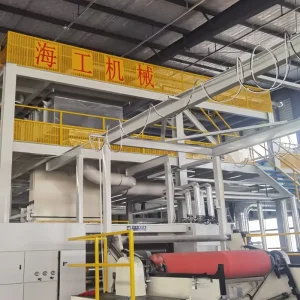
Optimized for processing high-melt-flow polypropylene to produce structural nonwoven webs for packaging, agriculture, and filtration industries.
Technical Specs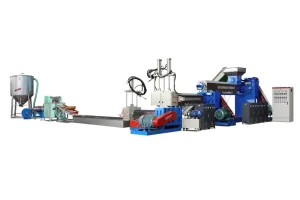
Advanced shredding, melting, and pelletizing technology designed to convert post-industrial and post-consumer scrap into virgin-grade resin pellets.
Technical Specs
Optimized knife geometries and structural frames for processing high-molecular-weight polyolefins, agriculture plastics, and heavy industrial waste.
Technical Specs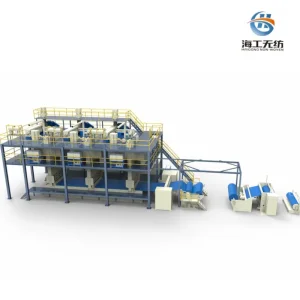
Highly integrated, PLC-controlled extrusion line yielding superior web consistency and mechanical properties, suitable for local WA packaging firms.
Technical SpecsWestern Australia, centered on the metropolitan and industrial hubs of Perth, Kwinana, and Welshpool, is undergoing a profound paradigm shift in waste management and resource recovery. Driven by the Western Australian Waste Avoidance and Resource Recovery Strategy 2030 and the state's aggressive phased bans on single-use plastics under the Plan for Plastics, the demand for local secondary processing capacity has surged.
Unlike other global markets, Perth faces distinct logistical challenges due to its geographic isolation. Shipping unprocessed plastic scrap interstate or overseas is no longer economically or regulatory viable. Consequently, local commercial operators, waste management firms, and packaging manufacturers are prioritizing high-performance, on-site plastic recycling machinery to transform post-consumer and post-industrial polymers directly into reusable commodities.
The industrial focus in WA is heavily geared towards processing Polypropylene (PP), Polyethylene (HDPE/LDPE), and agricultural films (such as silage wrap). Our machinery configurations are specifically optimized to operate under these demanding local conditions, providing reliable mechanical reprocessing that aligns with Western Australia's strict environmental standards.
Globally, the plastic recycling landscape has evolved from basic sorting and low-grade downcycling to highly sophisticated, closed-loop mechanical and chemical recycling pipelines. The international market demands high-purity outputs that match the mechanical properties of virgin resins. This requires processing equipment with integrated degasification, advanced melt filtration, and high-precision gravimetric dosing systems.
Increasing mandates for Post-Consumer Recycled (PCR) content in packaging require precise pelletizing systems that preserve polymer molecular weight.
Modern plants utilize automated Melt Flow Index (MFI) monitoring to instantly adjust thermal profiles dynamically inside the extruder barrel.
High-efficiency electromagnetic heating induction coils and direct-drive planetary gearboxes reduce operational power footprint by up to 30%.
Processing equipment must be capable of seamlessly switching between PLA/PBAT biodegradable compounds and standard fossil-fuel polymers.
For Perth businesses sourcing industrial machinery, partnering with a manufacturer that possesses deep vertical integration—from material analysis to downstream manufacturing machinery—is critical. This is where HG Nonwoven Machinery's robust capabilities deliver substantial cost advantages and engineering reliability.
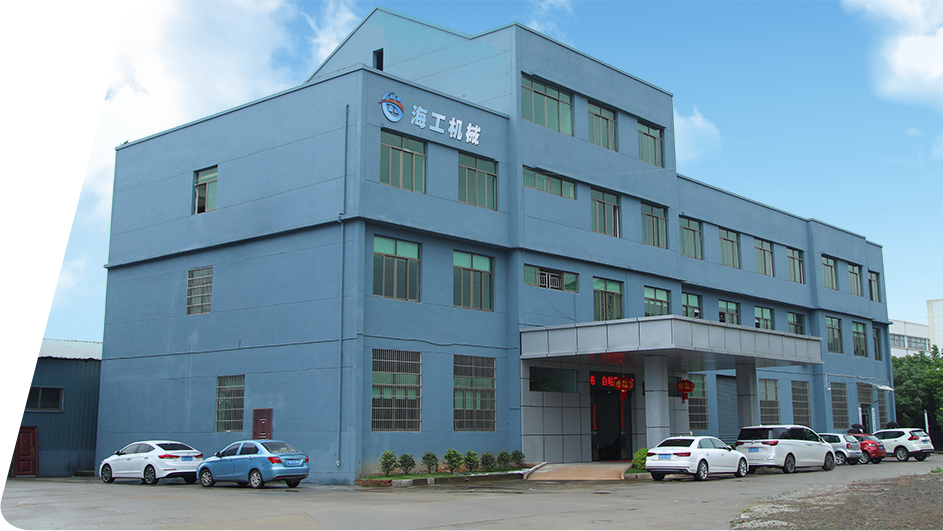
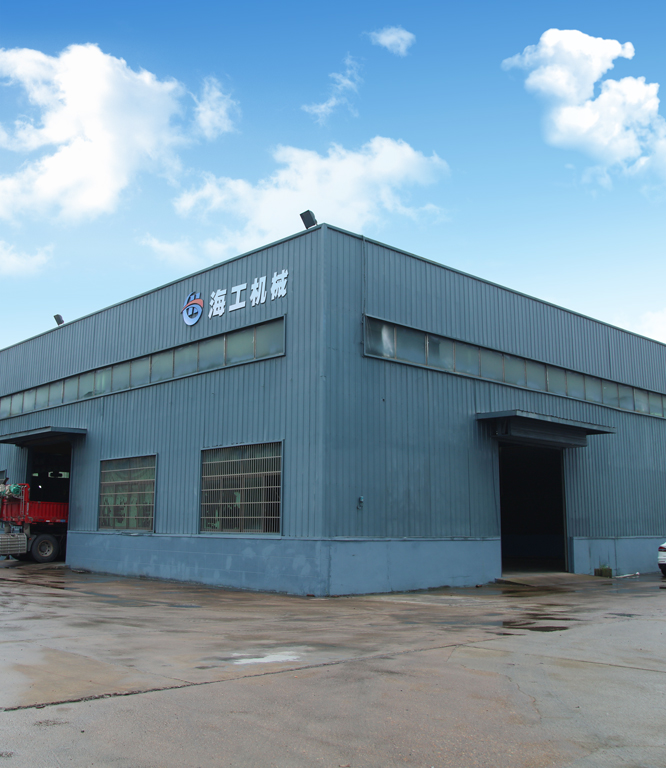
Since 2014, Pujiang HG Nonwoven Machinery has established itself as an industry-leading manufacturer of PP spunbond, meltblown, and composite nonwoven fabric machinery. Integrating advanced European design methodologies with proprietary continuous improvement optimizations, HG specializes in delivering robust, high-efficiency production lines worldwide.
Why do global buyers and operators in Perth choose HG Nonwoven Machinery? The answer lies in our advanced engineering, comprehensive manufacturing ecosystem, and unmatched production economics:
Operational conditions in Western Australia require targeted engineering adjustments. Our machinery lines are customized to address specific regional dynamics:
WA's vast agricultural sector requires durable geotextiles and crop covers. Our spunbond lines convert recycled PP pellets directly into UV-stabilized agricultural fabrics that protect crops from harsh solar radiation and wind damage.
With Perth acting as the primary logistical gateway for mining equipment, chemicals, and grain exports, high-output nonwoven packaging, bulk bags (FIBCs), and protective laminates are vital industrial commodities.
Perth's mining giants require highly specialized filtration materials for iron ore and alumina processing. Composite SMS and Meltblown machinery lines produce filtration media with precise pore-size distribution.
Processing kerbside and post-consumer plastics requires heavy-duty extrusion screw designs that can handle variations in contamination, humidity, and melting behavior without experiencing frequent shutdown cycles.
HG Nonwoven Machinery delivers a unified mechanical approach. We do not simply supply stand-alone extruders; we engineer end-to-end processing loops. By integrating upstream recycling and granulating systems with downstream spunbond web formation, we help Perth companies capture maximum product margin.
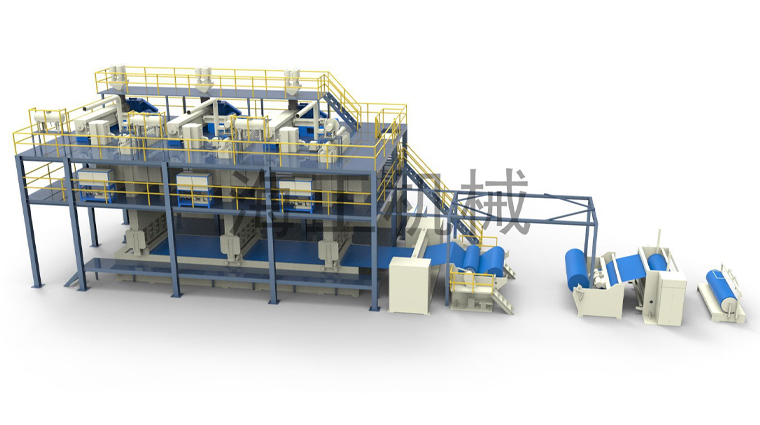
By purchasing an integrated solution, operators eliminate integration challenges and ensure that all components—from pelletizing to final slitting—operate under a single, unified control logic.
Explore our complete range of specialized equipment designed for industrial applications in the Western Australian region.
Engineered for large-scale operations requiring continuous output and high tensile strength profiles.
View Details
Cost-efficient single-beam systems configured for light industrial packaging and retail carry bags.
View Details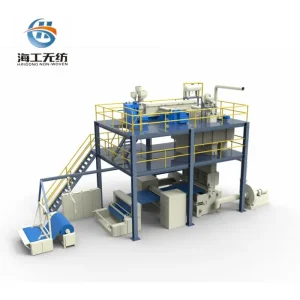
High-speed machinery line designed to supply high-quality TNT fabrics for furniture upholstery and mattress backing.
View Details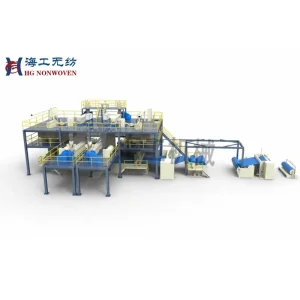
Three-beam system producing composite SMS fabric with high liquid and particulate barrier properties.
View Details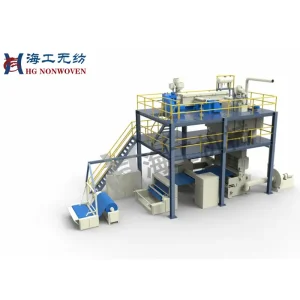
Customized system designed to process post-industrial recycled material back into geotextiles.
View Details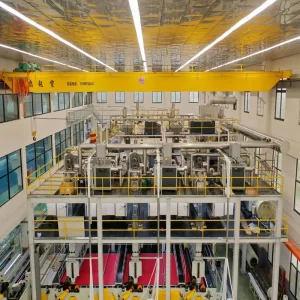
Advanced extrusion technology optimizing the reprocessing of post-consumer packaging materials.
View Details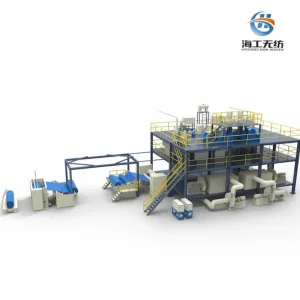
Optimized for high-speed production of ultra-light hygiene products, diapers, and sanitary wear.
View Details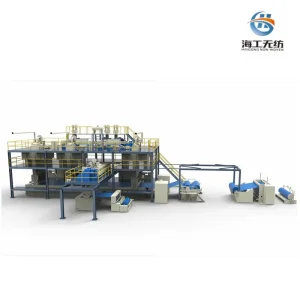
Configurable multi-beam machine line designed to meet specific factory space layouts and local output requirements.
View DetailsAs the global community works toward net-zero carbon emissions, the polymer recycling and nonwoven manufacturing industries are undergoing significant technical evolutions:
Modern plants are shifting from manual controls to closed-loop AI systems. In-line sensors continuously monitor polymer viscosity and pressure parameters, dynamically adjusting heating zones to handle variances in input quality. Digital vision systems detect web defects in real-time, preventing down-stream processing issues.
To simplify end-of-life recycling, manufacturers are moving away from multi-polymer laminations (e.g., PP and PET composites) and transitioning to monomaterial systems. Modern spunbond and lamination lines must be engineered to join materials with matching chemical structures without compromising mechanical properties.
Future machinery lines must be capable of processing PLA (Polylactic Acid), PHA, and chemical recyclates with variable rheological profiles. Advanced thermal profiling and optimized screw designs prevent degradation in heat-sensitive bio-polymers.
By optimizing drive motor systems and incorporating thermal recovery systems, modern recycling plants can lower their direct scope 1 and 2 emissions. This transition is essential for compliance with evolving global carbon tariffs and trade structures.
Procuring heavy industrial equipment requires careful evaluation of engineering credentials, compliance, and long-term support infrastructure. Global buyers must assess the following key areas:
Expert insights regarding plastic recycling machinery, PP spunbond processes, and Western Australian operational requirements.
HG's 5th Generation Spunbond spinning technology features an optimized slot-drawing system that ensures consistent air-flow velocities. This results in uniform fiber attenuation, lower denier values, and increased tensile strength in both machine and cross directions (MD/CD), while reducing raw material consumption.
Yes. While our spunbond lines operate most efficiently with virgin or high-quality post-industrial PP, our plastic recycling and pelletizing systems are designed specifically to clean, homogenize, and re-extrude post-consumer plastic scrap into high-quality pellets suitable for blending back into manufacturing lines.
We provide complete turnkey support. This includes preliminary factory layout design, electrical and mechanical engineering coordination, and on-site commissioning by our technicians. We also provide comprehensive operator training and offer 24 months of ongoing technical support.
Our systems utilize high-efficiency electromagnetic induction heating systems alongside direct-drive AC variable frequency motors. By insulating the heating zones and optimizing screw profiles, we reduce energy losses, lowering overall electricity usage by up to 20-30% compared to legacy systems.
Lead times vary depending on system complexity (e.g., Single S, SS, or complex SMS lines). Standard configurations generally ship within 90 to 120 days from order confirmation, allowing time for design customization, manufacturing, and comprehensive factory acceptance testing (FAT).
Partner with HG Nonwoven Machinery to implement high-efficiency recycling and nonwoven extrusion lines. Contact our engineering team today to request detailed specifications, custom layout design services, or a comprehensive project feasibility analysis.
Send Inquiry Now HG NONWOVEN