Advanced recycling and manufacturing machinery custom-configured for Fiji's industrial scale, infrastructure, and remote operation requirements.
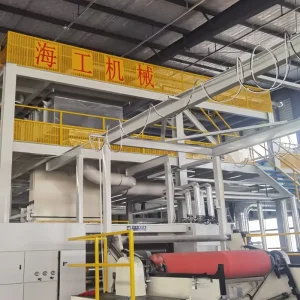
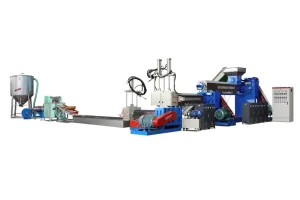
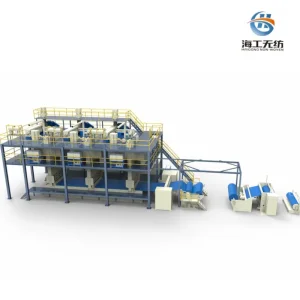
Addressing isolated geography, eco-tourism mandates, and local supply chain resilience through decentralized plastic processing.
As the hub of the South Pacific, Fiji faces a unique set of ecological and industrial trials. The nation's economy is highly dependent on tourism, pristine marine ecosystems, and agricultural exports. However, rapid urban growth in centers like Suva, Nadi, and Lautoka, combined with imported packaged goods, has led to a surge in post-consumer plastic waste. Unlike continental landmasses with extensive land and rail links, island nations are geographically isolated. Transporting low-density baled waste across oceans is financially and environmentally unviable. Therefore, localizing plastic processing and recycling is not just an eco-conscious target; it is a critical economic necessity.
Fiji's regulatory framework has responded aggressively to this challenge, passing laws banning single-use plastics and encouraging investments in circular manufacturing. Yet, local processors often struggle with equipment designed for massive continental factories. These large machines require steady high-voltage grids and vast, consistent waste streams. To succeed, Fijian enterprises need scalable, energy-efficient plastic granulators, polymer extrusion lines, and downstream converting machinery that can process local municipal solid waste (MSW) efficiently while operating within the capacity constraints of local power infrastructure.
Standard plastic recycling systems often fail in tropical island environments due to high ambient humidity, corrosive marine air, and voltage fluctuations. Our equipment configuration features corrosion-resistant stainless-steel contact points, tropicalized electrical cabinets with integrated voltage stabilization, and advanced drying cycles that extract high moisture content from washed plastics before pelletizing, ensuring high-purity output even under challenging coastal conditions.
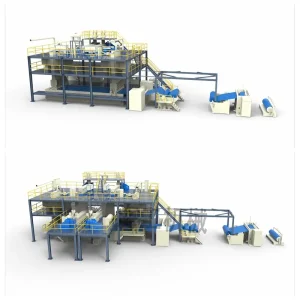
Achieving a true circular economy in Fiji requires connecting raw waste collection directly to high-value manufacturing applications. It is not enough to simply grind plastic waste into flakes; the real value lies in converting those flakes back into functional, locally consumed products. Our global macro solution links advanced plastic recycling granulators with high-performance nonwoven fabric production lines. This setup enables manufacturers to take agricultural plastics, packaging waste, and consumer bottles and transform them into reusable shopping bags, agricultural crop covers, industrial packaging materials, and medical-grade protection fabrics.
By establishing localized extrusion and spunbond manufacturing facilities in Suva or Nadi, operators can convert recycled polypropylene (PP) and polyethylene (PE) directly into nonwoven materials. This dramatically reduces Fiji's dependence on expensive imported packaging and agricultural textiles. The economic advantage is clear: waste is transformed from a municipal expense into a high-demand raw material, creating local industrial jobs, saving foreign exchange reserves, and establishing Fiji as the green manufacturing leader of the Pacific Islands.
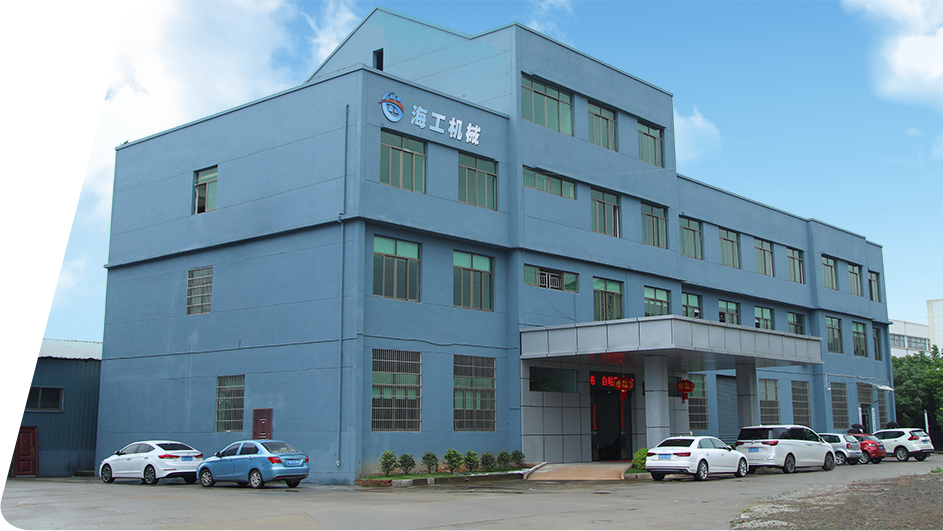
From feasibility study to installation, we manage the entire project lifecycle to ensure seamless commissioning and maximum uptime.
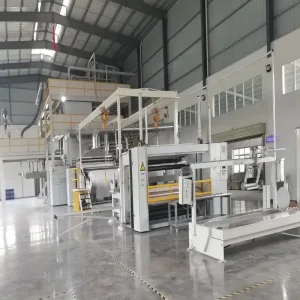
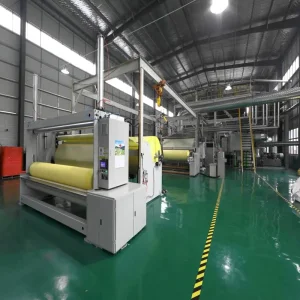
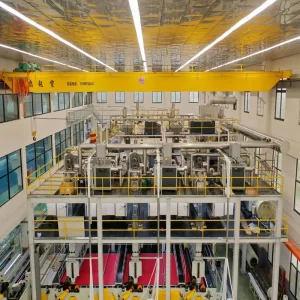
Our machines are meticulously designed and incorporate the latest technology to ensure maximum production efficiency with minimal energy consumption. We offer customized configurations to ensure our machinery aligns perfectly with your unique regional requirements.
Leveraging our deep expertise in the global polymer and nonwoven industries, we provide comprehensive local market analysis to assist Fijian operators in developing highly accurate and bankable project feasibility reports.
Beyond our primary PP nonwoven lines, we deliver fully integrated auxiliary equipment including plastic recycling granulators, fabric slitting systems, flexo printing machinery, laminating equipment, and automated bag-making machines.
Following setup, our expert technicians conduct hands-on training to ensure your local operations team handles all startup, running, and maintenance procedures perfectly. We stand behind our setups with 24 months of on-site and digital after-sales support.
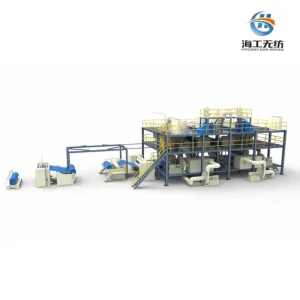
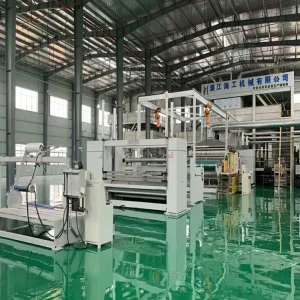
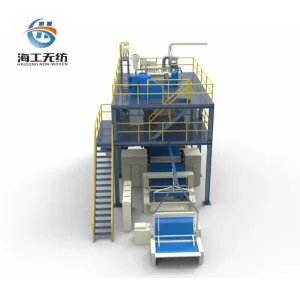
High-capacity machinery engineered for continuous operation, polymer flexibility, and low utility draw.
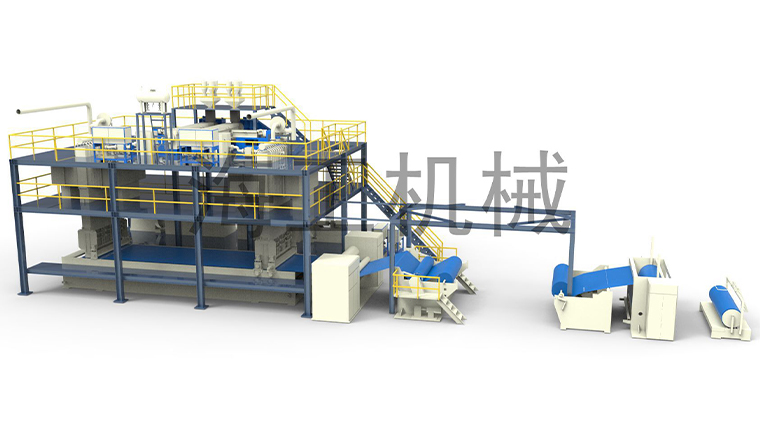
Perfect for packaging nonwoven bags, furniture backing, and agricultural crop protective covers.
View Details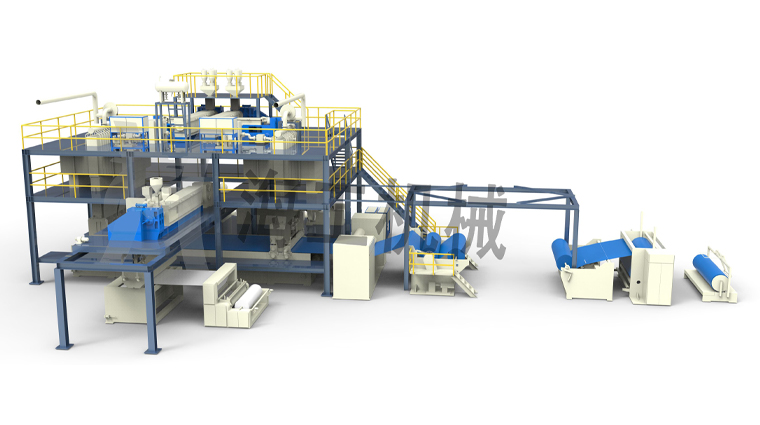
High-barrier composite fabric production optimized for medical-grade gowns and hygiene products.
View Details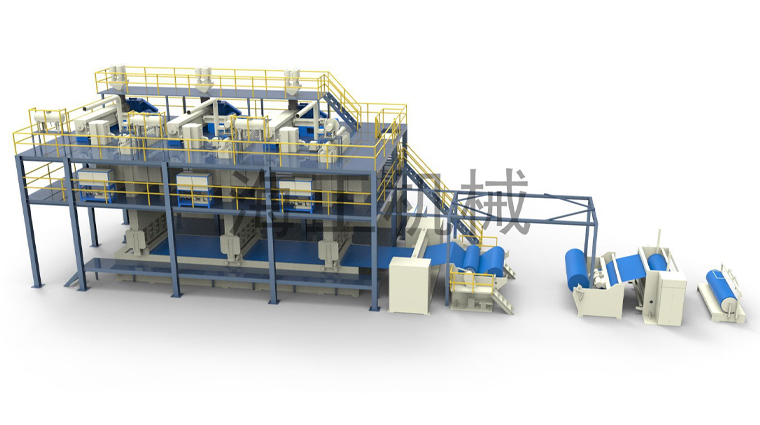
Delivers excellent barrier and filtration efficiency for critical surgical environments and high-end hygiene items.
View Details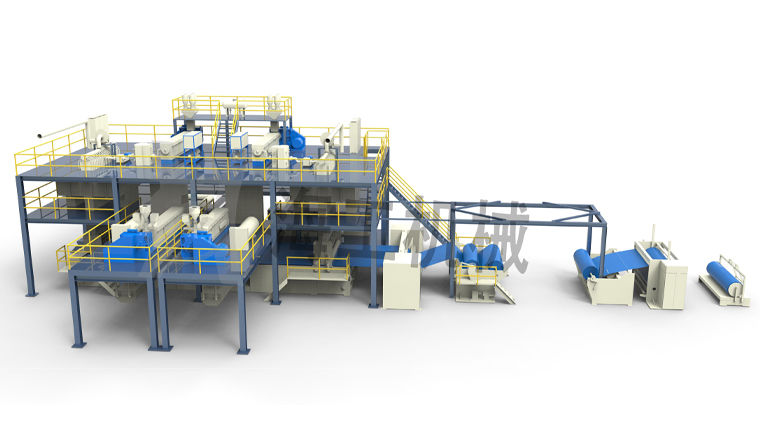
Unmatched barrier properties combined with high material softness, comfort, and uniform density.
View DetailsHow our localized polymer machinery directly feeds into Fiji's major commercial and agricultural sectors.

Our spunbond lines produce ultra-soft, breathable fabrics with excellent fluid dispersion control, ideal for localized diaper and feminine hygiene manufacturing in Suva.
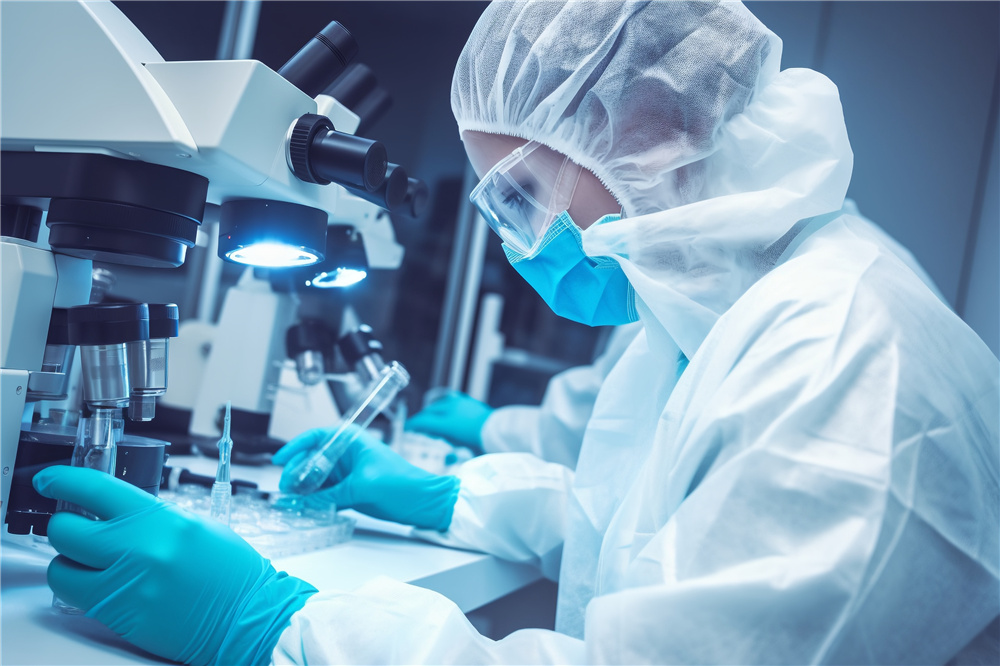
Ensuring self-sufficiency for Fiji's healthcare system by producing critical hospital bedsheets, surgical gowns, and high-filtration face masks locally.
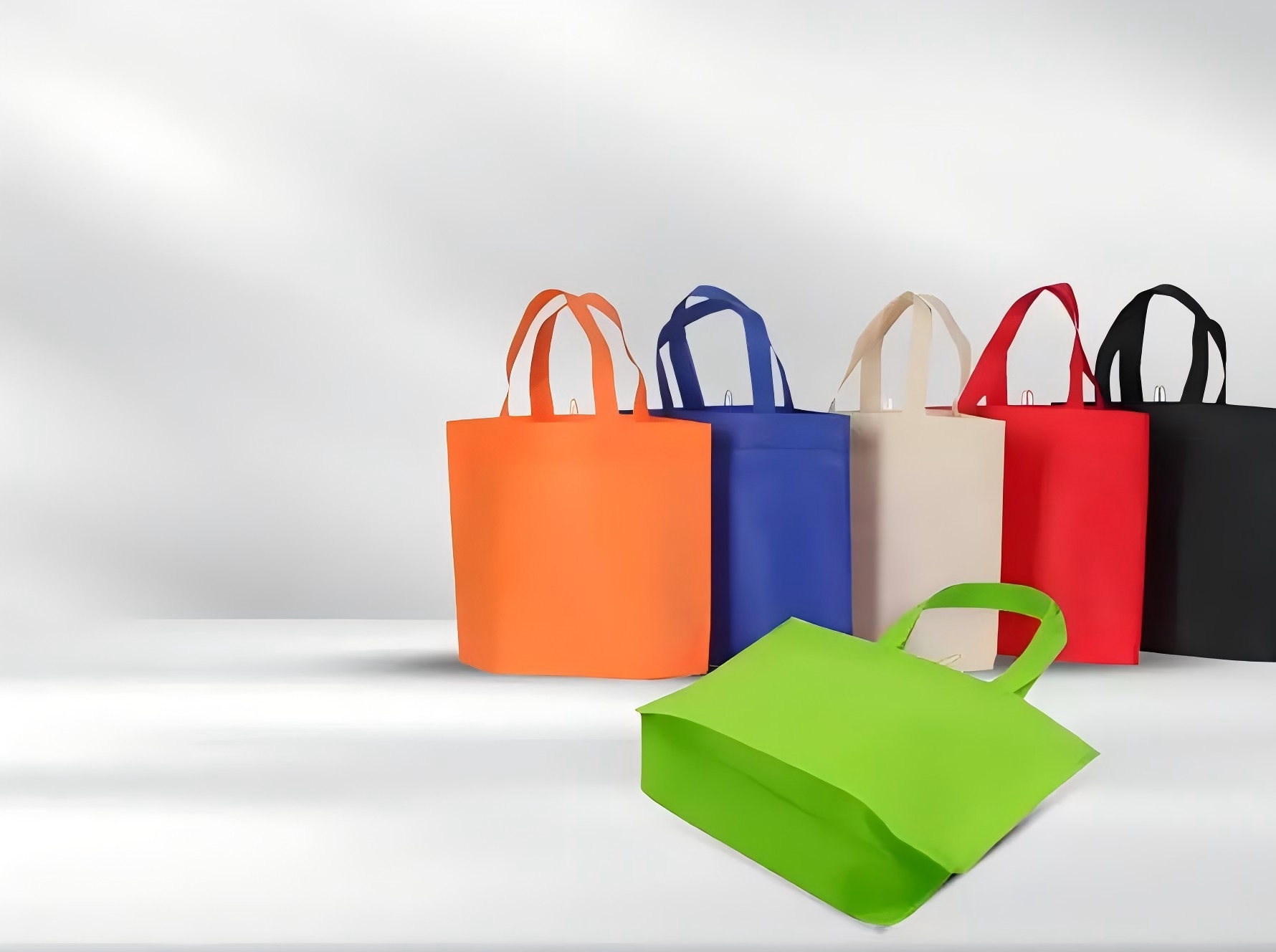
Creating durable, reusable nonwoven shopping bags, fruit storage sleeves, and garment protectors that comply with Fiji's strict anti-plastic mandates.
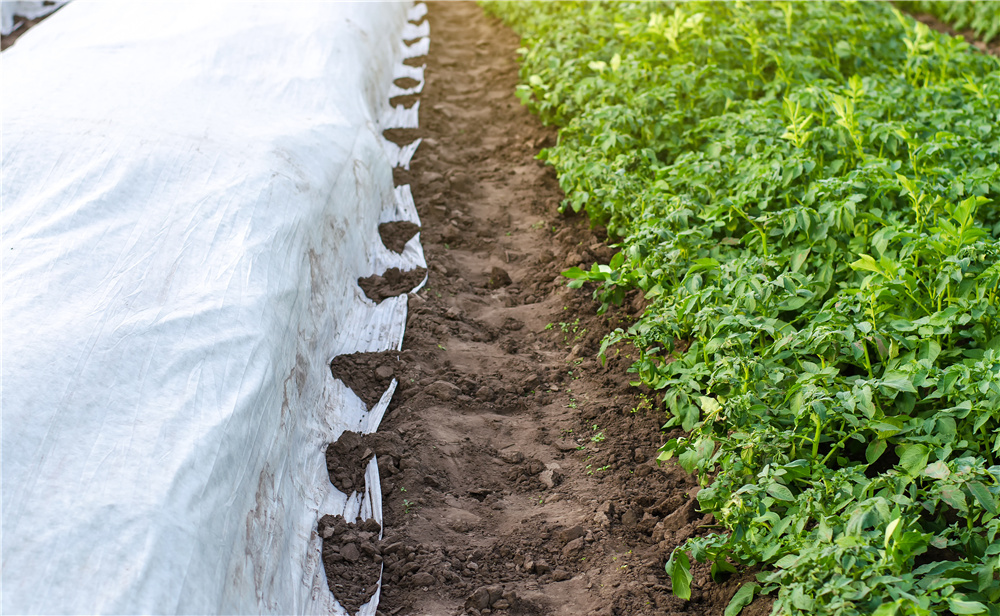
UV-stabilized crop covers designed to allow air and moisture transfer while protecting delicate crops from tropical storms, pests, and sun damage.
Innovation highlights focusing on carbon reduction, bio-compatible polymers, and closed-loop process automation.
The global push towards sustainability demands a technical evolution in machine design. Our forward-looking engineering roadmap focuses on three main developments: **100% Biodegradable Polymer Processing**, **Energy Recovery Extrusion Systems**, and **AI-Driven Quality Stabilization**. As Fiji and neighboring nations transition toward bio-based economies, our 5th Generation lines are engineered to process poly(lactic acid) (PLA) and other bio-polymers alongside standard recycled polypropylene, preventing capital equipment obsolescence.
Recognizing the premium cost of electricity and clean water in island environments, our latest plastic granulators utilize advanced air-cooling systems and closed-circuit water recycling loops. This prevents thermal discharge into sensitive local coastal waters and slashes electrical power draw by up to 25% compared to legacy machinery systems.
Furthermore, our digital support infrastructure features real-time cloud diagnostic modules. In the event of system irregularities, our engineering team in China can access the machine's control interface remotely, diagnosing calibration settings and running updates without requiring immediate on-site travel. This drastically reduces downtime and ensures continuous production for remote Fijian operations.
Ensuring smooth operations, environmental standards alignment, and rapid spare-parts deployment.
Establishing an industrial facility in Fiji requires strict alignment with local environmental authorities (such as the Ministry of Environment) and international quality standards. All our machinery lines are built to conform with ISO 9001 and CE directives, featuring multi-tiered safety systems, automated emergency stops, and low-emission extrusion heads that protect factory workers and the surrounding environment alike.
To mitigate the logistical delays often associated with shipping to ocean states, HG Nonwoven Machinery has optimized its maritime logistics pathway to the Port of Suva. We provide an extensive, long-term pre-packaged kit of wear-and-tear spare parts alongside every machine order. This guarantees uninterrupted operation for the first 24 months, with rapid air-freight support channels for specialized components when necessary.
Select the ideal extrusion and processing system tailored for high efficiency, quality, and durability.
Essential guidance on logistics, machine configuration, operations, and ROI dynamics for Fijian operators.
Get in touch with our engineering team today to receive a detailed cost analysis, machinery specifications, and project plan designed specifically for your local operations.
Send Inquiry Now HG NONWOVEN